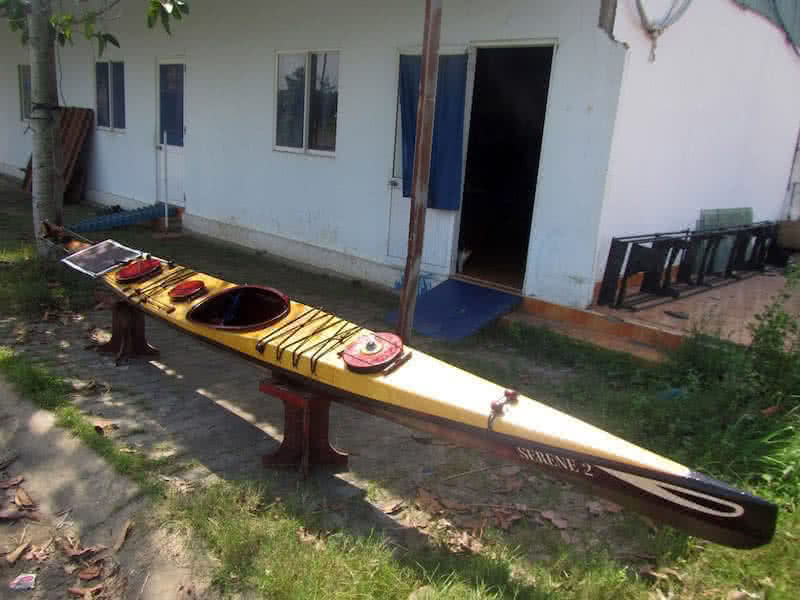
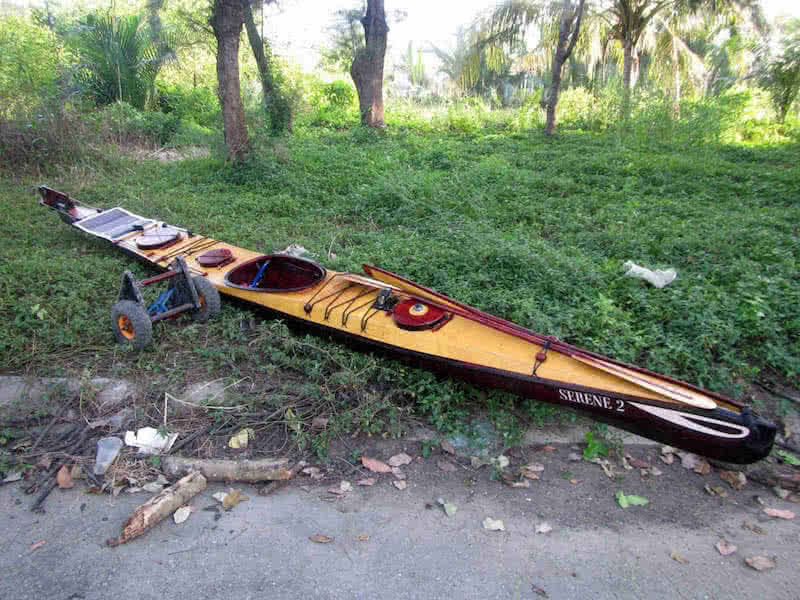
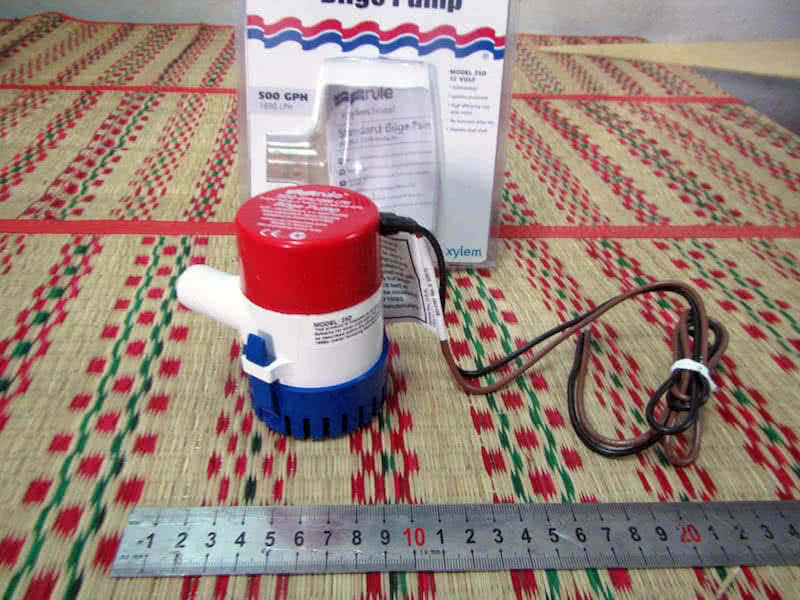
serene – 2, part 15

Proceed to cutting and jointing the bilges. This step is done quite quickly as I’ve now had plenty of experiences. I read the offset – table directly from the FreeShip software, then draw the bilges on the 122 x 244 – cm plywood sheet. For the 17 feet hull, there’re 3 pieces per bilges, and hence, 2 joints need to be made for each bilges. I clamp 2 plywood sheets together and cut the port & starboard parts at the same time.

It takes some little skills and experiences to make the joints perfectly fit with just a jig saw. And I still prefer the straight finger joints as used on my previous boat, they are simpler to cut, simpler to align and to make sure that the jointed bilges are in correct shapes. Too bad, my plywood is of too poor in quality, it’s so fragile, so easy to crack, so I have to take extra cares at this steps, or the “fingers” of the joints could break.

First image: transferring the lines from offset table to plywood boards (with the help of a cup of coffee, be careful not to make any mistake). Second image: all pieces cut, third image: the finger joints (no glueing yet). Fourth image: jointing the pieces together with epoxy (just use many weights to press on), then glassing them (the internal sides) with one layer of 6 – oz fiberglass.

Decided not to bevel the bilges’ edges, though beveling helps making tighter seams, my plywood is quite thin, so the seams wouldn’t be very perfect, they hardly could stay precisely edge on edge with each other (and beveling adds some more works to be done). With Serene – 2, I proceed with the hull first, then the deck, not doing them in parallel like my previous boat, as the deck part could be quite complex this time.

serene – 2, part 14

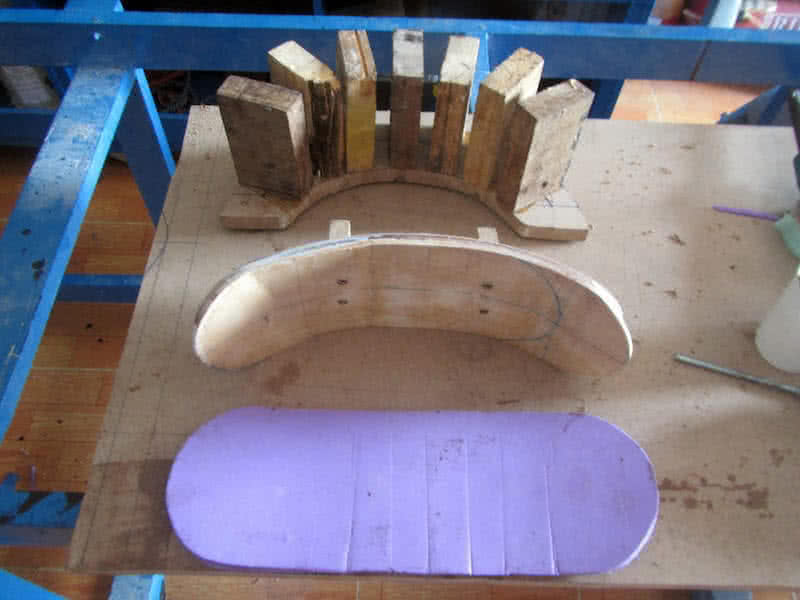
Framing for the deck is more complex than the hull, since the deck would be curved in cross section, it require torturing plywood to a considerable degree to acquire that shape. From my previous experiences with bending plywood panels, I decided to break the deck framing into 2 parts, one is female, the other is male in shapes, then compressing the plywood sheet in between using many G – clamps.

First and second images: cutting the deck framing stations, can see clearly that the upper and lower parts of the deck frame are cut from the shame plywood sheets. Unlike the hull’s stations, which is positioned at an interval of 60 cm apart, the deck’s stations are placed denser, one for every 30 cm. The deck plywood would be tortured between these upper and lower stations to achieve the desired curved shape.

Bending plywood, particularly the 4 – mm thich ply I’m using, could be a hard task (and currently I don’t have any 3 – mm or thinner ply readily for making the deck). More over, the plywood I purchased is not of very good quality, it could crack too easily. So I would need lots of tricks to get the job done: soaking wet the plywood overnight with water to soften it, using hot boiling water to soften it even more.

(Currently I don’t have any wood steaming device, and there’s no plan to build one just yet.) Another trick for bending plywood is making shallow cuts longitudinally onto one side of the plywood sheet for it to bend easier. Fourth image: the curved stations of the deck glued on. Now all jobs related to the framing is done, next would be proceeding to cutting and joining the bilges… the long and hard way is still ahead!

serene – 2, part 13

Simple thing that is done many times already, since the very first time I was building the Hello World -3 kayak, so there is nothing special about setting up the “female” frame for shaping up the kayak hull and deck. The stations (as called so by the software FreeShip) are placed evenly at an interval of 60 cm, there are 8 of them for the 17 feet (approximately 518 cm) hull. All is cut from 18 mm – thick MDF.

First image: the stations cut, second and third images: since the 18 mm – thick MDF I used is at the maximum that my compress – air staple gun could handle, I simple glue the stations on along a MDF board, each 60 cm apart. You can see the stations numbered, from H1 to H8 (from stern to bow). Fourth image: another view of the completed female frame, looking this way, one could see that the kayak hull is so slim. It’s so indeed!

At 44 cm, this Serene – 2 kayak is just slightly narrower compared to my previous boat. Serene – 1, which was at 45 cm. One of the main reasons why it took me so long to start this kayak building is that, I greatly appreciate my previous boat’s abilities in rough water, it did give me a lots of confidence. I wouldn’t want to lose that very special capabilities along my design progress, while improving some shortcomings…

…That my previous kayak had had. It is a very good feeling watching the “female – molding” frame, which gives me a very first impression on how my future boat would look like. But the long way is still ahead, it would take much efforts in completing my “perfect sea kayak”! By the way, the “rule” for choosing a sea kayak hull is that: build / buy a longest and thinnest one that you could still find it controllable and comfortable!

serene – 2, part 12

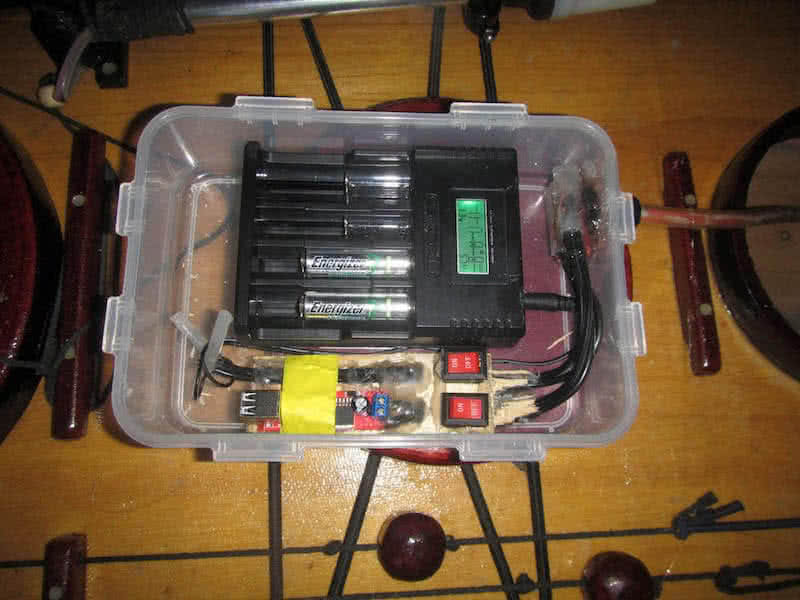
Not entirely related to this Serene – 2 building, but I would want re – organize my woodworking workshop a bit. My working place is quite small in floor area, so everything need to be stored neatly and tidily. Having quit some ideas, but would carry them out only one at a time, since I still have limited free time in the present. First is a shelf to store my plywood and MDF sheets (lots of them), and many other things.

The plywood and MDF sheets need special treatments, they could deform in shape or absorb moisture if stored inappropriately for a long time. The shelf would have two sides, the sloping side is for storing the sheets, and the other side is reserved for other things. The whole thing would be put on 6 small wheels so that it can be pulled and repositioned around the workshop, or moved just for cleaning the floor.

1st image: making the shelf base, 2nd image: the 3 supporting walls (to withstand the MDF and ply sheets’ weight, which could be very heavy). 3rd image: the shelf taking shape, 4th image: the completed and marine – blue painted product, ply and MDF sheets stored on one side (facing the wall). I need lots of shelf spaces to store various miscellaneous assets, which is growing to a unmanageable number.

Sometime, I’ve forgotten that I’ve purchased something just because there’s a huge pile of them around. The workshop looks very tidy now, having more spaces to store various things. It’s very important to keep thing tidy, uncluttered, as you wouldn’t want to waste time finding an item when needed. It’s now time to move on to the main parts of the project, I’ve been lingering around on other issues for long enough.

đèo ngang

Chưa đi chưa biết Đèo Ngang
Đi rồi mới biết Đèo Ngang… đang nghèo (!?)

Nhớ lại 1 chuyện khó quên gần đèo Ngang, Quảng Bình, gần Tết 2015. Chiều hôm đó, phi quá đây thì… xe xịt lốp sau, mưa xối xả, lạnh cắt da, đói và trời đã gần 6h chiều. Thấy cái khách sạn đầu tiên, quyết định nghỉ vì khó lòng đi tiếp. Sau một hồi đứng cho ráo nước, nhìn quanh thì thấy một cảnh tượng kinh ngạc, cái khách sạn sang trọng không từ nào tả xiết. Gỗ quý ốp từ sàn, tường tới trần, từ khắp sảnh trước ra nhà sau, cầu thang, bàn ghế, thậm chí cả sàn phòng tắm cũng lát gỗ. Không chỗ nào là không có gỗ, gỗ tốt khắp mọi nơi, chạm trổ tinh xảo, cầu kỳ, sang trọng đến choáng ngợp!

Bèn hỏi ngay lễ tân giá cả trước khi đặt phòng, thì được biết cái giá 150 ngàn/đêm. Lúc này thì thực sự đã kinh ngạc lắm rồi, không biết mình đang lạc vào cái “động” nào đây. Nhưng cũng ra vẻ tự nhiên xách đồ lên phòng, tắm rửa sạch sẽ rồi xuống ăn tối. Đồ ăn ngon, nêm nếm đậm đà kiểu Huế, 1 đĩa cá kho, 1 tô canh chua, 1 đĩa rau xào, cơm… tổng cộng 35 ngàn! Đến lúc này thì ngạc nhiên đến tập thứ ‘n’ chứ không ít! Nhưng tính không thích hỏi, số sướng cứ việc hưởng, nhìn chị chủ khách sạn chỉ thấy điệu cười tinh tế, nhè nhẹ, chu đáo, phong thái con nhà quý tộc chứ không phải buôn bán tầm thường.

Sáng hôm sau thanh toán tiền rồi rời đi, mình cũng không hỏi, không nói gì, mà chị chủ cũng chỉ điệu cười nhẹ nhẹ ấy! Bản lai diện mục các bạn thử đoán xem sao nhé!

mộng thuỷ tinh

Lâu lâu cũng post nhạc “đương đại” 1 chút, một bài cũng bình thường chỉ để thi thoảng hát nhóp nhép chơi: Mộng đẹp như thuỷ tinh rơi, Người xa, tình xa khuất chân đồi… Thuỷ tinh rơi thì sao, thuỷ tinh rơi sẽ vỡ… Cái logic hiển nhiên ấy khá phổ biến trong các ngôn ngữ khác (Anh, Pháp, Hoa…)

Mộng thuỷ tinh - Lệ Quyên 

Nhưng lại không phổ biến với ngôn ngữ, với tâm hồn Việt, người Việt chỉ hiểu / chỉ muốn cái gì rõ ràng, trực tiếp… chứ không phiếm chỉ như thế. Cái ca từ này có lẽ được dịch từ ngoại ngữ, kiểu: shattered like a falling glass…

serene – 2, part 11

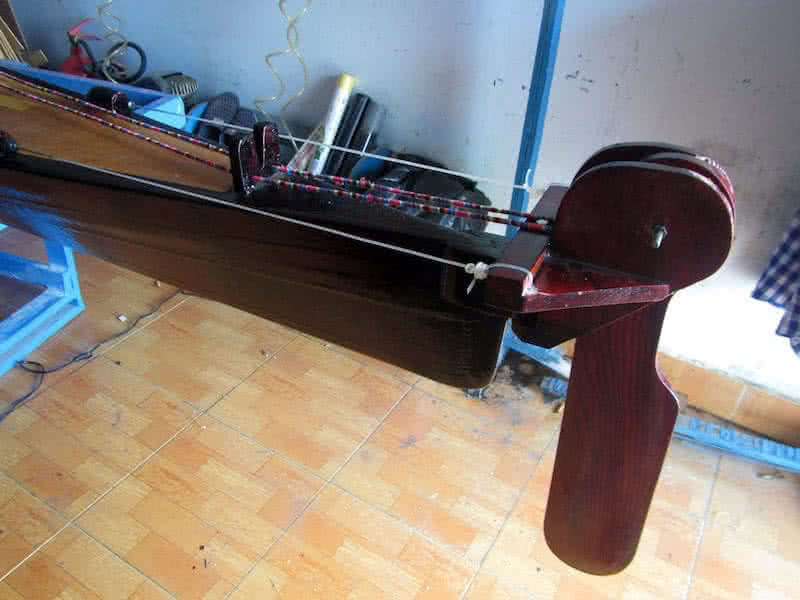
First image: assembling the rudder’s components, the rudder in its dropped down position, 2nd image: the rudder in its retracted position. Everything works smoothly as calculated, the blade could be pulled up and down by a pair of line running back to behind the cockpit (but that would be done later, when attaching the rudder to the kayak hull), with two circular ratchets glued on the two side of the rudder blade.

4th image: the rudder stained with colored – epoxy and then painted (with transparent PU – PolyUrethane). It looks so nice, the dark brown color with coarse wooden grains. The rudder control system is another complex problem, but that I would address it later on on the following phases of this building project, as I’m still hesitating between the two styles of rudder steering mechanisms as described below.

One style is the T – bar of those Olympic kayak, and the other is the normal 2 – pedals usually found on touring boats. The Olympic style is simpler, but it’s quite counter – intuitive as you would have to use the left leg kicking the bar to the right, in order for the boat to turn right. The 2 – pedals system is more user – friendly, you simply kick with the right leg to turn right. I also may use kind of a cross between the two mechanisms.

This is the first time I use a rudder, so many consideration and calculation have to be made. First in designing the hull, the hull should work efficiently and independently without a rudder, that is, it should track straight in most circumstances. Only under extreme turbulences that the rudder should be deployed, to save yourself from the extreme fatigue of one side paddling, or to have more responsiveness to the moving water.

serene – 2, part 10

Skeg, rudder or none!? It has always been an everlasting debate among the sea kayaker community. Some advocates using none, as getting the job done with your paddles alone would greatly improves your skills. While I partially agree to this argument, I also think that the argument only holds true on flat water only. When in turbulences, which could be extreme, you would need something to assist in tracking and steering the boat.

All my previous kayaks was using skegs. While a skeg wouldn’t help in steering, it would help a lot keeping the boat on a straight track when underway. Gradually, and especially in my last 9 – days trip, I realize that a rudder could potentially become a great benefit. You could pull it up to reduce drag (with a retractable rudder) and maneuver the boat with your paddle alone when it’s relatively calm, and deploy it down in turbulences.

Not only it helps turning your boat to compensate leeway, it’s also a way to have instant responsiveness, e.g: to deal with large chasing waves. So I decided to overcome my fear of complexity and build a rudder for my next Serene – 2 kayak. Yet, complexity is the reason most pro – skeg paddlers would give, to justify their favor for skeg. But serious sea – paddlers would agree, I think, that rudder outperforms skeg in most situations.

It’s not too complex (as it seems) to draft out the rudder’s parts on wood. 1st image: elements of the rudder, 2nd and 3rd images: gluing them together. 4th image: the rudder blade is (like they usually call) a high – aspect – ratio foil, 10 x 50 cm in dimensions. The 2 circular discs: ratchets for pulling the blade up and down. Now, I definitely think I could build a rudder that would work, both efficiently and reliably!

algorithms

Một phần quan trọng của 4 năm ĐH nằm trong cuốn này. Sách ngoại văn bìa cứng, bản in đẹp giấy tốt, đồng giá 50K/cuốn. Những năm 199x, FAHASA nhập sách ngoại về, bán chẳng ai mua, canh me đi qua lúc nó sale off, xúc luôn một lúc cả chục cuốn, từ Algorithms, Data structure, Computer graphics… cho đến Algebra, Advanced Calculus, Statistics, Mathematical Analysis, etc… Cũng là lý do tại sao thuật ngữ Toán, Tin… ko hề biết tiếng Việt. Cũng chưa thấy cuốn sách Tin học nào hay và bổ ích như cuốn này. Nói cho đúng là cái cách hành văn khoa học tiếng Anh của nó ám ảnh mình, ít khi thấy được một cách hành văn hay, súc tích, dể hiểu đến như thế, cộng thêm minh hoạ cực kỳ xinh đẹp.

Nếu nói mức độ hiểu vấn đề nó thể hiện qua khả năng diễn đạt, trình bày lại để cho người khác cũng hiểu thì tác giả cuốn này đúng là siêu đẳng! Về sau phát hiện ra, cả thư viện Đại học Khoa học Tự nhiên cũng chỉ có đúng một cuốn này, mình có riêng một cuốn! Không có thói quen đọc nhiều sách, theo mình, cả ĐH chỉ cần đọc chừng 3, 4 cuốn, và cả cuộc đời chắc không cần đến 20 cuốn. Đọc nhiều phí hoài tuổi xanh đi! Dự định sau này mình sẽ đóng cái kệ sách cao đến sát trần nhà, bỏ bớt những cuốn không đọc lên trên cao để không phải đụng đến chúng! Sách hay thì ít như sao buổi sớm, mà sách lôm côm lại nhiều như… lá rụng mùa thu! Sau bác nào đó thấy sách ngon, mượn ko trả, tiếc đứt ruột!

serene – 2, part 9

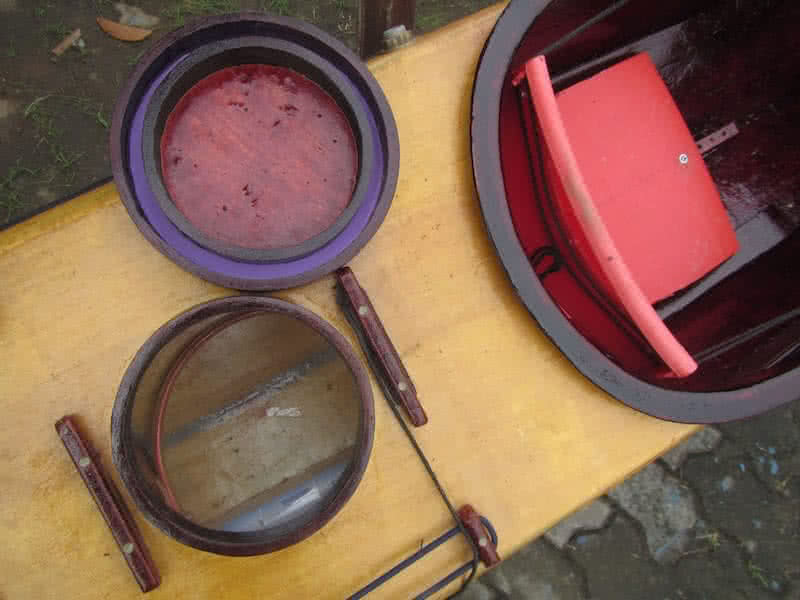
The structure of the hatches is nothing fancy, three tight rings nested inside each other per hatch, two belongs to the lid, and the other would be attached to the base (deck). First image: the 9 rings forming 3 hatches, filled with some thinned epoxy (about 400 gram of epoxy) to harden the MDF. This is not a very good way to make hatches (weight wise), but it would be just as heavy (or lighter) compared to plastic ones.

I was thinking a lot about the hatch locking mechanism. But finally decided to just use cords and cleats to tie down the hatches. The metal locks are too complex and fragile, unendurable to salt water. Tying down the hatches is much simpler and secured, and is easy to repair when something breaks. Between the 2 rings of the lid is a thin layer (about 3 mm) of epoxy (the softer, elastic kind) filled in to function as a gasket.

At first, I intended to glass in and out of each of the hatches’ rings, but the 9 mm – thick MDF walls have absorbed enough epoxy, and have become really strong (maybe more than enough, they’re now a bit too heavy), so there’s no need for glassing. The good thing is that once everything is assembled together, they fit very tightly, the lids and the bases, and the dark brown color is stained nicely too!

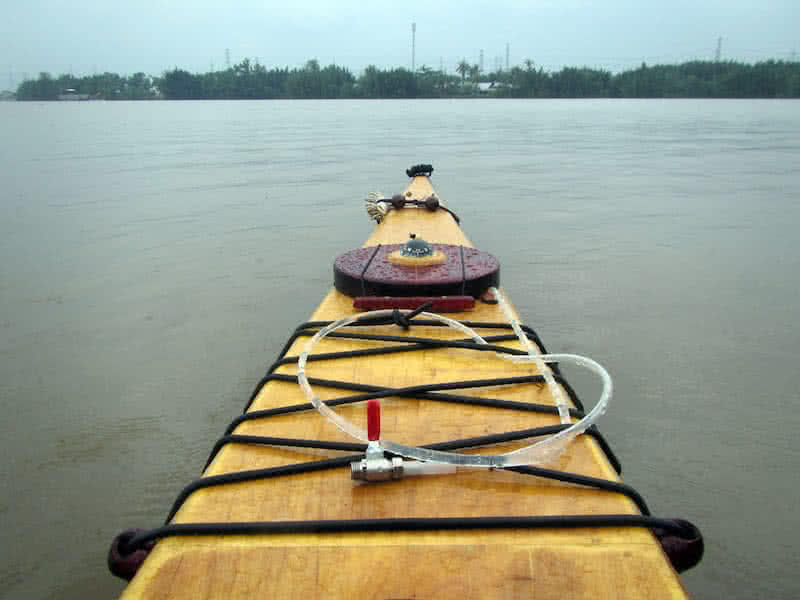
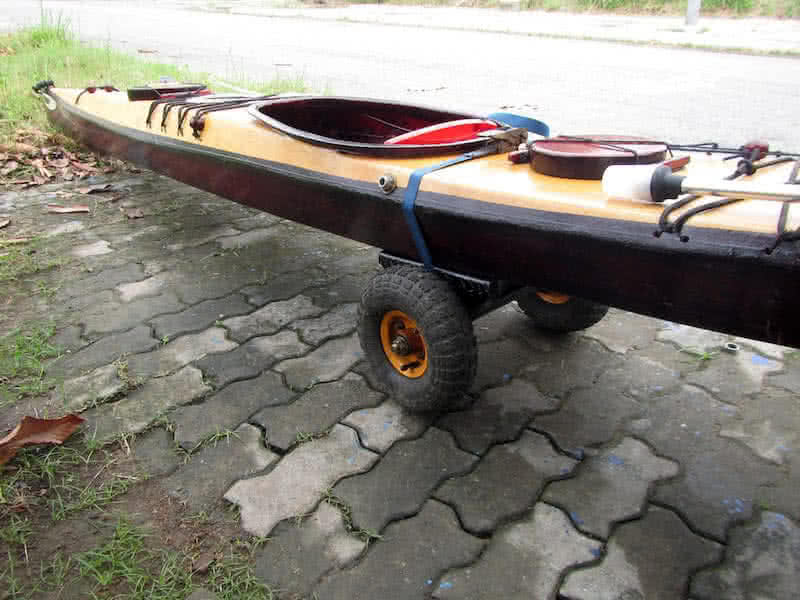
3rd image: the complete products, lids opened, 4th image: the lids closed. Once I’ll finish building up the kayak’s deck, the hatches would simply be glued on. Only the front hatch needs some special treatments, as the front deck is curved in shape. Also, the compass would be mounted right on this front hatch lid, to save deck space, and to simplify the building process. But that would be another later phase of this project.

serene – 2, part 8

Had a major setback with making the hatches with wooden strips, the strips didn’t make perfect circles as I’ve expected, although they bend quite well, they’re off by small amount (e.g: 0.5 ~ 1 mm) here and there, and that’s an unacceptable precision for hatches, just a small gap and water could leak in. I had to abandon the method of making hatches using wooden strips, and tried to find some alternative ways instead.

Finally, I resorted to cutting the hatches’ rings (lips) using my routing table. The home – built machine is made quite a long time ago, but this is only the first time making some serious use of it. It’s quick to make a circular cutting jig, as shown in the 1st image: the MDF “disc” would rotate around a pivot point that could be adjusted by sliding the wooden bar. The jig proved to offer good cutting accuracy (sub millimeter).

That’s really good, as I want very tight fits between the hatches’ rings, 3rd image: 2 rings cut, there’re still lots of it to be made. Using solid MDF as hatches’ rings has a serious down side: you would need to fill the MDF with much epoxy for it to be hardened, and waterproof, thus increasing the overall weight. On the other side, MDF is easy to cut into perfect shapes! Decided to go this way anyhow as I have few material choices!

Last image: all the hatches’ rings is cut, 3 hatches, 3 lips per hatch, and 2 rings per lip (since they’re cut in 1.5 cm MDF, it requires 2 rings to form a 3 cm height lip), quite some work to be done, and too much of sawing dust too! And I’ve taken care on “quality assurance” to make sure that each ring is cut at its precise diameter. Though I don’t expect the hatches to be waterproof, it should be watertight as much as possible.

serene – 2, part 7

I’ve been thinking about kayak hatches over and over again. Starting from the very early days with my plywood hatches (in Hello World – 2, 3) which are obviously not watertight, to the Beckson hatches on my Serene – 1 kayak. The Beckson is very good, watertight and even air tight, but sadly that’s only true in ideal conditions. In reality, in multiple days trip, when mud and sand has get into, it would leak by a small amount.

The Beckson is not ideal hatch for kayak in my idea (for other purposes, it may be ok). The reason is that the hatches are built flushed with the mounting surface, and some inner elements are even recessed… When the water washes over (as always happened to the very low freeboard of a sea kayak), and when the O – rings are not properly lubricated, or when there’re some mud, sand inside the joints, water would leak in.

That’s why I decided to build my own hatches for this Serene – 2 new kayak. The idea is really simple: the hatches are raised a few centimeters above the mounting surface, and even when the seals are not too tight, that would suffice to keep most of the water out. Examine many sea kayak hatch designs, I’ve found out that simple thing, that the hatches should be raised (not flushed or recessed) above the deck.

1st image: cutting thin (2.5 mm) wooden strips used to build the hatches. 2nd, 3nd images: the 3 MDF templates for hatch building: the rear, the front and the day hatch, sizes in diameter: 30, 25 and 20 cm respectively. 4th image: building the hatches’ coaming with thin wooden strips around the templates, each coaming consists of 2 layers of strips which bend easily around without cracks and without the need for steaming.

serene – 2, part 6

Finished with Serene – 2‘s first paddle, continue to the second one. This would be the pair of paddles, one Greenland style, and one Euro style, that I would use on the new kayak, intended to be slightly smaller in size, and much more lightweight compared to my previous ones. The Greenland paddle is not a typical Greenland one, it’s rather quite short with bigger blades, and the Euro paddle is not of typical Euro style neither.

As it is quite small compared to most Euro style paddles. It’s quite hard to justify my design decisions, but all came from my paddling experiences, that I would need a slightly bigger Greenland paddle for all – round paddling, and a slightly smaller Euro paddle to provide more power in “adversary” conditions. The second one would be lightly & simply built also, with that same kind of rattan shaft, and thin plywood blades.

1st image: the finished Greenland paddle. 2nd image: dry fitting the Euro paddle’s blades and shaft. 3th image: bending the plywood blades, I want them to be just slightly curved around the longitudinal axis, it’s just nearly impossible to bend the plywood around multiple axes, to decided to stay with the simplest blade design. After gluing the blades and shaft together, the paddle would receive a layer of fiberglass all around.

4th image: glassing the second paddle, next to it is the finished Greenland paddle, the pair of paddles near completion, they all need to be “trialled” soon, to evaluate their performances, and to see how they would behave in real world. Final weights, the Greenland paddle: 0.82 kg, the Euro paddle: 0.9 kg, not up to the “standards” yet, but quite near, that’s fine anyhow, as they’re very light (compared to my previous paddles).

nhện nước

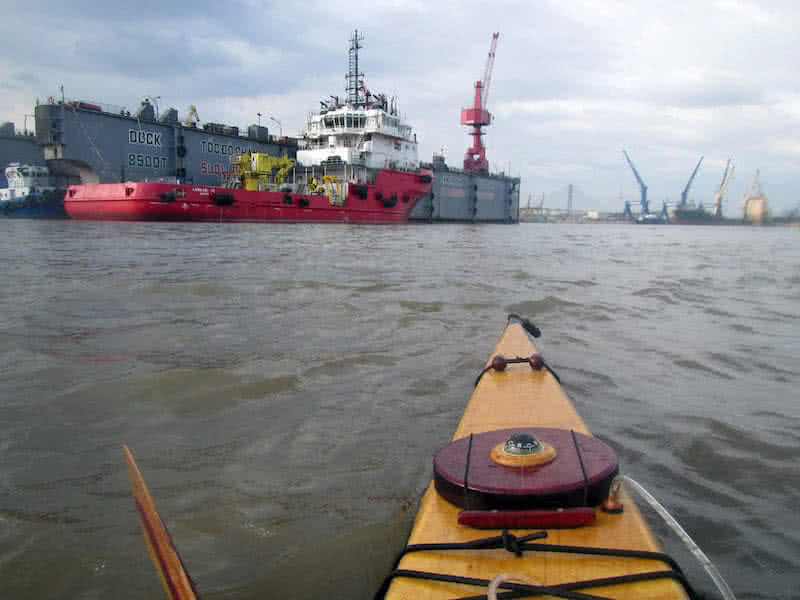
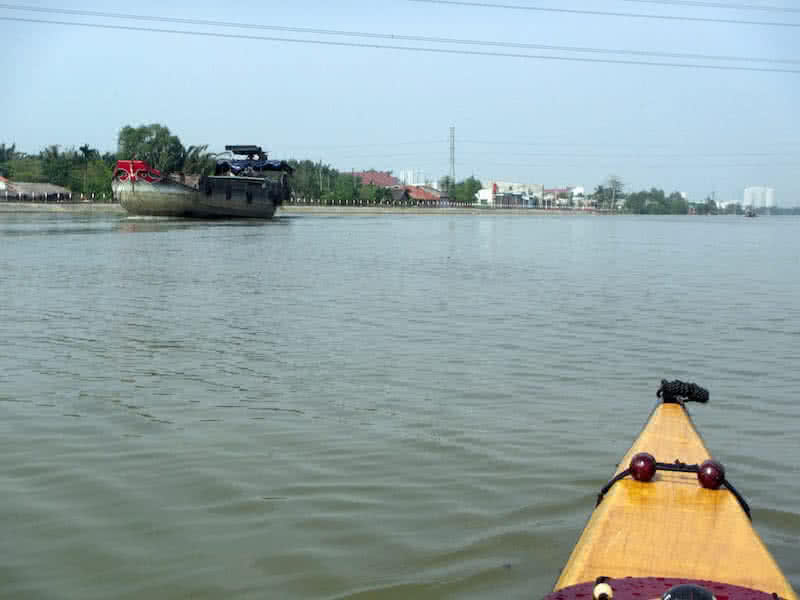
Cái con nhện nước khổng lồ, cái loài quái vật chạy trên 6 chân ấy, lao đến với một tốc độ kinh hoàng! Cách xa nhiều cây số đã nghe tiếng rì rì, cái động cơ CCCP ầm ĩ. Nó đang lướt đến gần, nghênh ngang chẳng đếm xỉa đến ai. Có thể thấy rõ phần đuôi tàu “drift”, hơi đảo qua đảo lại khi chạy ở tốc độ cao, hầu như toàn thân tàu đã bốc hẳn lên khỏi mặt nước…

Tự hỏi không biết nó có thấy cái xuồng bé xíu như cái vỏ đậu phộng của mình không? Mà thấy hay không thấy thì cũng chẳng làm gì được, với cái vận tốc như tên bắn của nó, và cái tốc độ chèo như rùa bò của mình. Bình thản ngồi chờ con quái vật đến, giương máy ảnh lên làm 1 kiểu. Cuối cùng thì nó lướt qua cách chưa đầy 50m… tạo nên những con sóng be bé tầm 1m.

my possession

Kéo cưa, lừa xẻ,
Ông thợ nào khoẻ,
Thì ăn cơm vua.
Ông thợ nào thua,
Thì về bú tí.

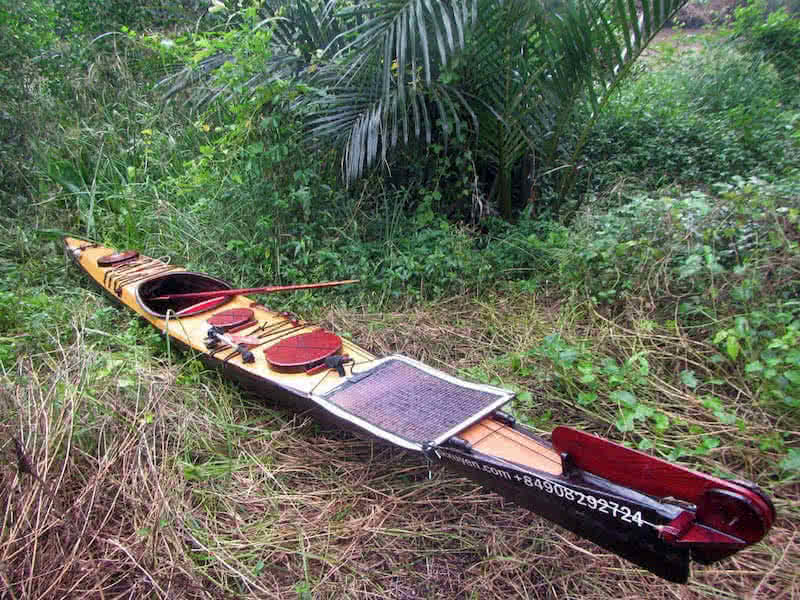
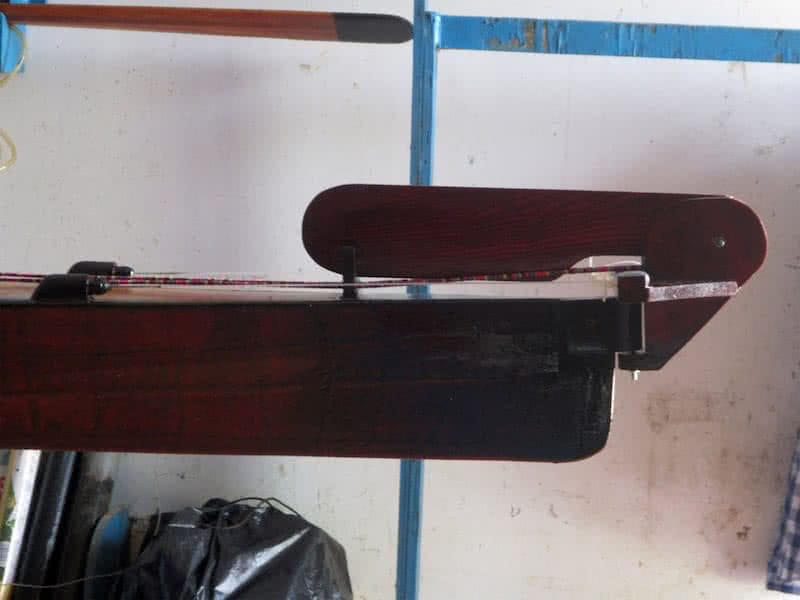
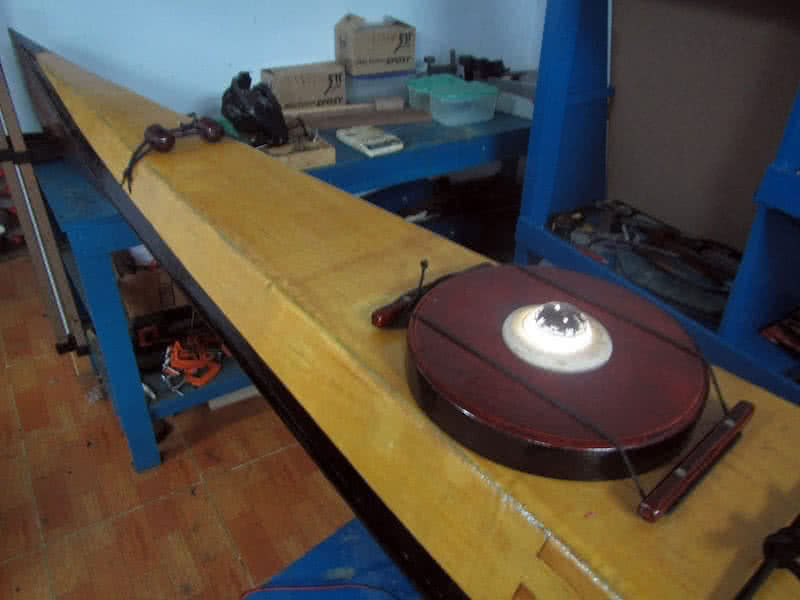
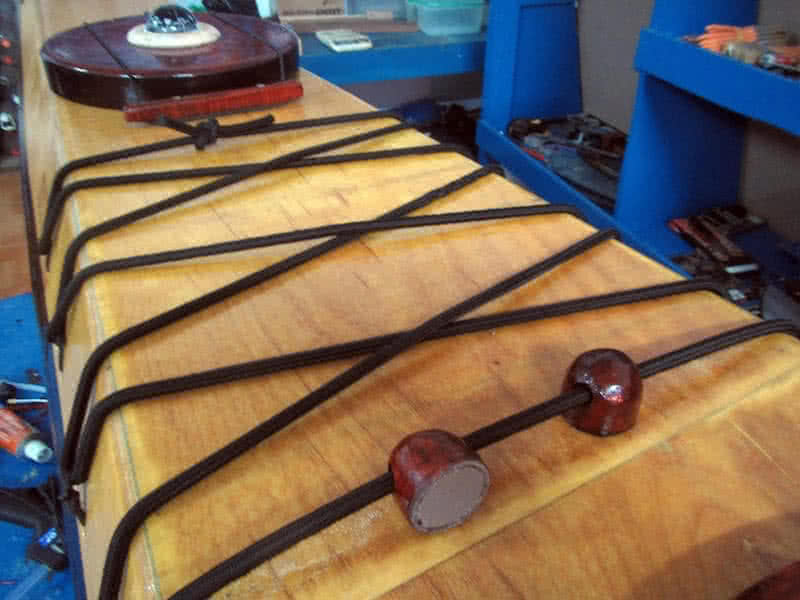
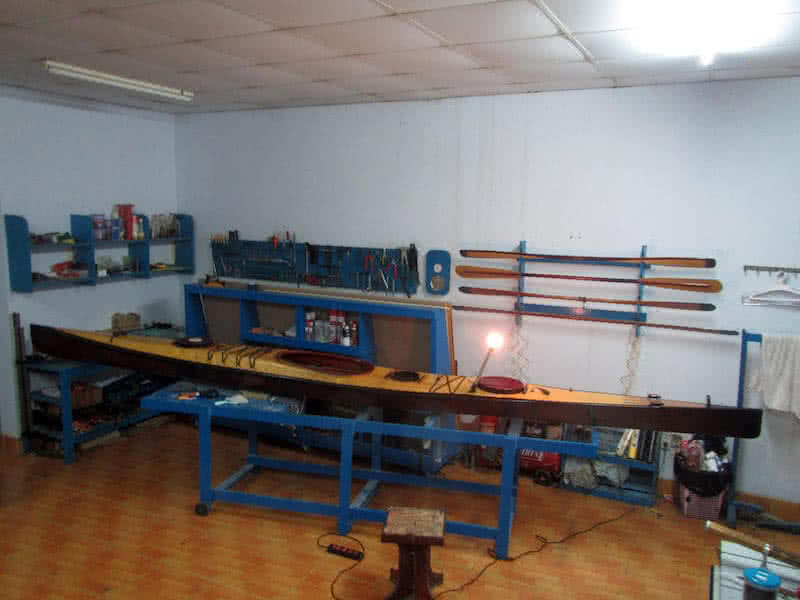
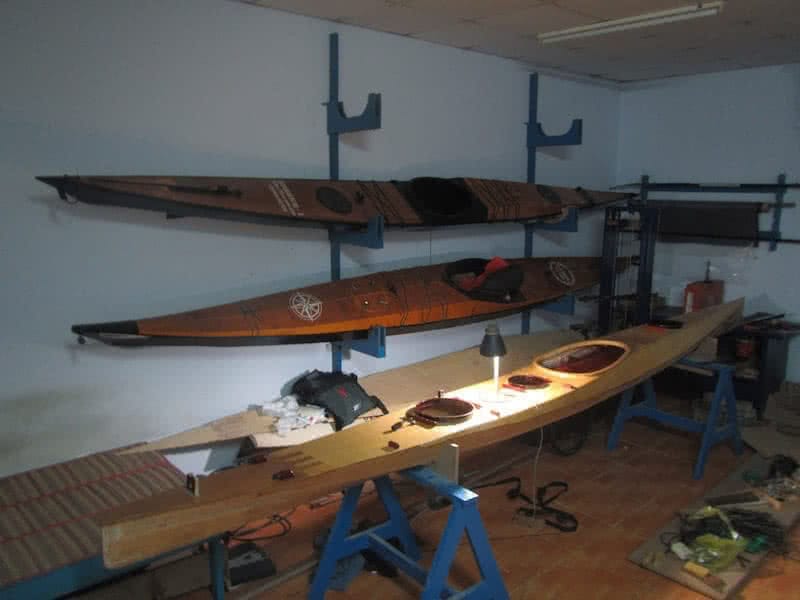
Cleaning and tidying up the workshop in preparation for my next Serene – 2 build. Having a chance to look back at the past few years’ works. Apart from Hello World – 1, my first build, a small canoe which is no longer functional (it was turned into an in – house shelf), the 3 kayaks seen here are built in a 3 – years time span, one in each year. Still feel not having enough of them, still in the quest for my “perfect expeditional kayak”!

Hello World 1 photo albums: part 1, part 2
Hello World 2 photo albums: part 1, part 2
Hello World 3 photo albums: part 1, part 2, part 3
Serene 1 photo albums: part 1, part 2, part 3, part 4
Serene 2 photo albums: part 1, part 2, part 3, part 4

serene – 2, part 5

The first image: cutting two hardwood blocks to attach to the paddle’s 2 ends, 2nd image: scraping the paddle blades with a power planer and a spokeshave. 3rd image: the paddle takes its final shape, next it would be sanded, colored (stained with thinned epoxy), glassed then painted. The paddle would receive a layer of fiberglass all over the body, to waterproof the porous balsa wood, and to strengthen the whole structure.

This is only the first of two paddles I’d intended to build. A lightweight Greenland paddle would be my convenient, all – round thing to propel the boat with. But under some particular circumstances, e.g: very strong wind or current, I would need a more powerful tool, that’s why my next one would be a paddle of the usual Euro type, it would be also very lightly built, and has much smaller blades, around 50 x 14 cm in dimensions.

I’ve not yet to really realize which paddle type is better: Greenland or Euro, but thought that they all has their uses in different situations, and decided to build and use… both. Also, my paddles all has become smaller and shorter, their lengths now are around 1.85 ~ 1.9 m. My thought is that sea – kayakers nowadays are using paddles that are longer than needed (around 2.2 m), especially those going for long touring.
I made a terrible mistake, using the wrong duct tape to mask the paddle for coloring. A kind of 3M duct tape is so sticky that it’s extremely hard to be removed after having painted the paddle blades with colored – thinned – epoxy. I seriously scratch the surface while removing the duct tape (with a chisel) resulting in a very poor finish on one blade. The paddle would be perfectly usable, but not as good – looking as I’d expected.

serene – 2, part 4

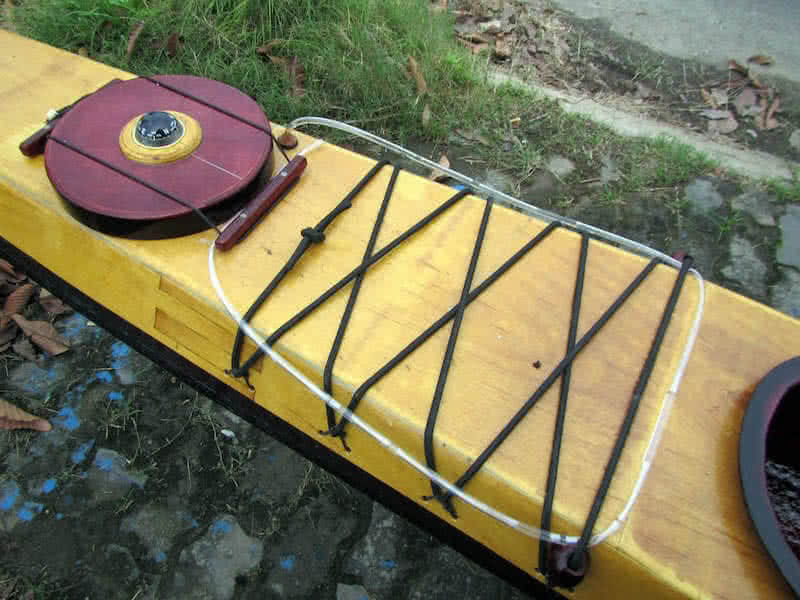
Still don’t have some free times to start my Serene – 2 kayak building yet, and all preparations (mainly materials purchasing) has not been completed. So I start slowly with building some other miscellaneous objects. First are the paddles. A typical WRC (Western Red Cedar) Greenland paddle weights around 0.7 ~ 0.8 kg. My two paddles, built with tropical hardwoods, though durable, weigh too much: 1.3 ~ 1.5 kg.

A lightweight paddle has very obvious advantages on long journeys, and I’ve been thinking about resolving this weighting issue. So I’ve decided to realize an idea which I’ve been having for a long while, in a tropical country like Vietnam, the best material you could use for a paddle is… rattan. Rattan is very lightweight, but it’s also very durable, flexible, and stiff, an ideal material to be used for building the paddle’s shaft.

In order to keep weight to minimum, in combination with the rattan stick, I use balsa wood for the blades. Construction is quite simple indeed, the rattan stick is splitted into two halves at the two ends, and two balsa wood blocks are inserted to form the blades’ shape (see the 3rd image). Balsa wood is quite hard to acquire in Vietnam, I’d made the wood block from 6 small 5 – mm – thick balsa sheets, laminated together.

Next is the job of careful – carving down the blades’ shapes. The 4th image: empty spaces at the two ends of the paddle, that would be the places for two hardwood blocks in order to better resist against cracks upon physical impact. The paddle would receive a layer of glass to further strengthen the structure and to protect it against water. Balsa is too porous and without protection, it would takes on water in the long term.

khỉ & chuối

Người ta làm thí nghiệm như thế này: nhốt 4 chú khỉ vào chuồng, và có trái chuối làm mồi nhử. Hể con nào động vào quả chuối thì nó kích hoạt vòi nước phun nước. Không lâu sau đó hình thành phản xạ có điều kiện, cứ con khỉ nào động vào quả chuối là bị 3 con kia xúm lại đánh, vì đứa nào cũng thích chuối, nhưng đứa nào cũng sợ bị ướt. Sau đó người ta lấy bớt một chú khỉ ra, thay bằng một chú khỉ khác. Nhưng lần này, người ta đổi cơ chế, động vào quả chuối thì nước không phun ra nữa. Chú khỉ mới chưa biết luật, động vào quả chuối, thế là bị oánh. Dù nước không phun ra nữa nhưng kinh nghiệm bị ướt của 3 con khỉ kia đủ mạnh để oánh bất cứ kẻ nào động vào quả chuối.

Lặp lại như thế, lôi một chú khỉ ra, thay vào bằng một con mới, lần lượt từng con, cho đến khi toàn bộ khỉ trong chuồng đều mới! Nhưng cái phản xạ kia được duy trì. Cứ ai động vào quả chuối là bị oánh, dù cả 4 con khỉ, không con nào từng trãi qua cái kinh nghiệm bị nước phun ướt, vì cả 4 con đều được thay vào lần lượt như đã nói ở trên. Cứ như thế cái bài học bị nước phun kia nó đi vào tiềm thức, lan truyền trong cộng đồng, đây gọi là “ký ức xã hội”, dù nguy cơ bị nước phun ướt từ lâu không còn hiện hữu. Nghĩ đi nghĩ lại, thấy xã hội VN cũng thế, nhiều vấn đề lịch sử, chính trị… đã vĩnh viễn qua đi, không còn thường trực đe doạ, nhưng cứ ai… động vào quả chuối là bị oánh!

vong quốc chi ca

亡國之歌

Đạo đức, thịnh, suy, khôn, dại, hay dở đều hiện ra nơi âm nhạc, không giấu được ai. Bởi vậy cứ lấy âm nhạc mà nghiệm được một nước ra thế nào. (Tuân Tử – Nhạc ký)

Về Bolero VN, nói chung âm nhạc là một quá trình giáo dục và cảm nhận, nó gồm nhiều năm trãi nghiệm nên thường ai nghe gì đó là việc của họ, tôi không có ý kiến. Và biết rằng nói ra sẽ mất lòng một số người… Nhưng nhận xét về Bolero Việt Nam nói chung, tôi nghĩ thứ nhạc đó xứng đáng được gọi bằng cái tên: Vong quốc chi ca亡國之歌, loại âm nhạc mất nước! Những dân tộc ưa chuộng vận động và tiến bộ phải có thể loại nhạc sáng tạo và sinh động, không phải như Bolero VN ngồi nhai đi nhai lại mãi một mớ nhảm nhí, chẳng đại diện cho ai cả, ngoài cái tâm trạng xấu xí của họ.

Chính xác theo cả nghĩa đen lẫn nghĩa bóng, Bolero VN là loại vong quốc chi ca, một loại âm nhạc mất nước! Vì quyết không sai, đây chính là âm nhạc của một quốc gia đã mất, và mất vì cứ mãi lải nhải từ năm này sang tháng khác một thứ nhạc kém đến như thế! Kém không phải vì loại nhạc đó sầu não uỷ mị, mà vì nó không có sự sáng tạo, cứ sử dụng mãi những giai điệu na ná từa tựa nhau, nghe 100 bài như 1, đến tác giả còn lười biếng, không chịu tìm tòi cái mới, làm theo kiểu mỳ ăn liền…

Nghe câu đầu là đã đoán được câu sau, làm gì có tí giá trị âm nhạc mới mẻ nào!? Và những người cứ mãi lải nhải loại nhạc ấy cũng không có hy vọng gì có thể mở mang đầu óc mà tiếp thu cái mới! Tuân Tử nói, đến một đất nước nào, chỉ cần nghe qua âm nhạc của nước đó cũng sẽ biết ngay là “Hưng” hay là “Phế”! Và rất nhiều người không phân biệt được đâu là dân ca, và đâu là Bolero. Thực ra, từ ngay chính cái tên Bolero cũng đã chẳng có nội hàm, ý nghĩa gì, và cũng như cái tên tự nó gọi đó, Bolero chẳng có dính dáng gì đến dân ca cả, mặc dù cũng đã cố gắng vay mượn, đánh tráo khái niệm.

Đó cũng là tiểu xảo và mục đích của cộng đồng Bolero, đánh đồng tất cả tốt xấu, hay dở, đánh lên một vũng nước đục, gạt bỏ tất cả những thành tựu khác để tự xem mình là một cái gì đó. Bolero VN thực ra chỉ là một quái thai của thời đại nó: âm nhạc thì copy dân ca một cách thô thiển, ca từ thì chả đâu vào đâu, chủ đề thì nhảm nhí… tất cả nói thẳng ra là một công cụ “phá hôi” để phục vụ cho các mục đích xã hội và chính trị, khởi đầu chẳng có gì rồi kết thúc cũng chẳng có gì!

杜牧 – 泊秦淮

煙籠寒水月籠沙
夜泊秦淮近酒家
商女不知亡國恨
隔江猶唱後庭花