Beagle

Thuyền trưởng Robert FitzRoy chuẩn bị rất chu đáo cho chuyến hải hành lần 2 khảo sát bờ biển Nam Mỹ (1831 – 1836). Rút kinh nghiệm từ những chuyến thám hiểm trước, đã có đến 2, 3 thuyền trưởng khác tự sát vì không chịu nổi áp lực của người đứng đầu trong những chuyến đi quá nguy hiểm, quá căng thẳng liên tục nhiều năm ròng0. HMS Beagle là con tàu nhỏ 242 tấn, thích hợp cho các nhiệm vụ đo đạc gần bờ, nhưng cũng quá nhỏ trong những vùng biển dữ. Tất cả súng đại bác bằng sắt được thay bằng súng đồng, để giảm thiểu ảnh hưởng đến la bàn. Tổng cộng 22 chiếc đồng hồ (chronometer) dùng trong định vị, đo đạc hàng hải được mang theo, và điều quan trọng nhất là:

Tìm ra một quý ông – gentleman, có học thức, có kinh nghiệm và tính cách tốt, để làm “bạn ngang hàng” với thuyền trưởng, giúp giải toả & chia xẻ bớt những áp lực của một người lãnh đạo đơn độc. Và người được chọn là Charles Darwin, nhà tự nhiên học trẻ tuổi, người trong chuyến hải hành 5 năm này đã đặt nền móng cho thuyết tiến hoá về sau. 404 đầu sách trong thư viện của tàu HMS Beagle, cùng với tất cả những tài liệu ghi chép, thu thập được trong chuyến hải hành 5 năm, nhật ký hải trình, những ghi chép điền dã của FitzRoy & Darwin, etc… Tất cả đã được số hoá và đưa lên internet, một kho tư liệu khổng lồ với đầy đủ những thông tin chi tiết nhất, 195 000 trang sách và hơn 5000 hình minh hoạ…
serene – 1, part 30

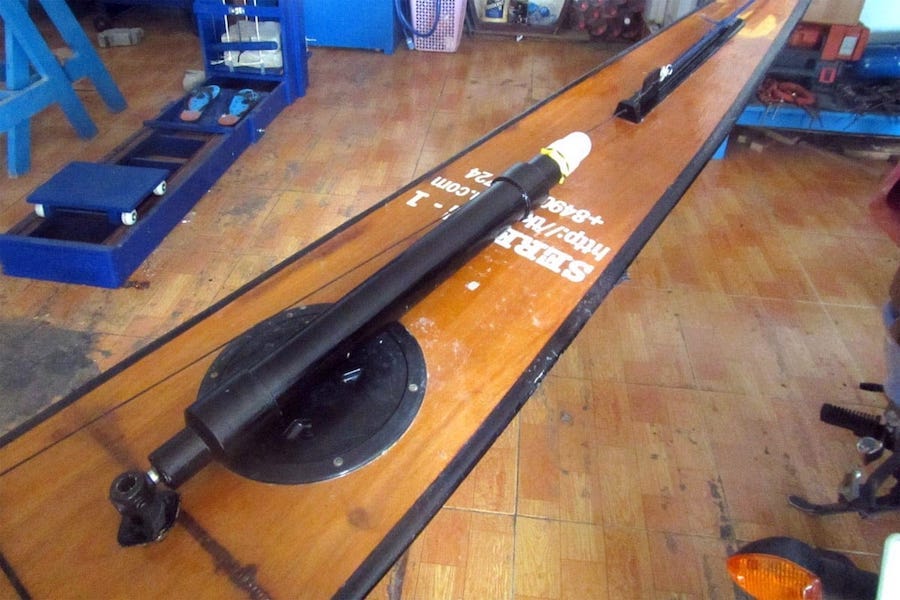
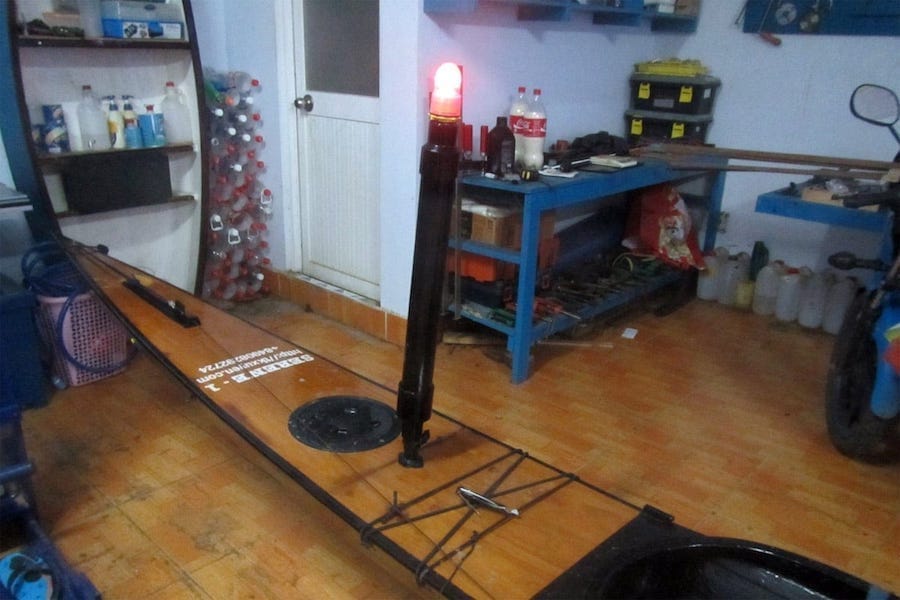
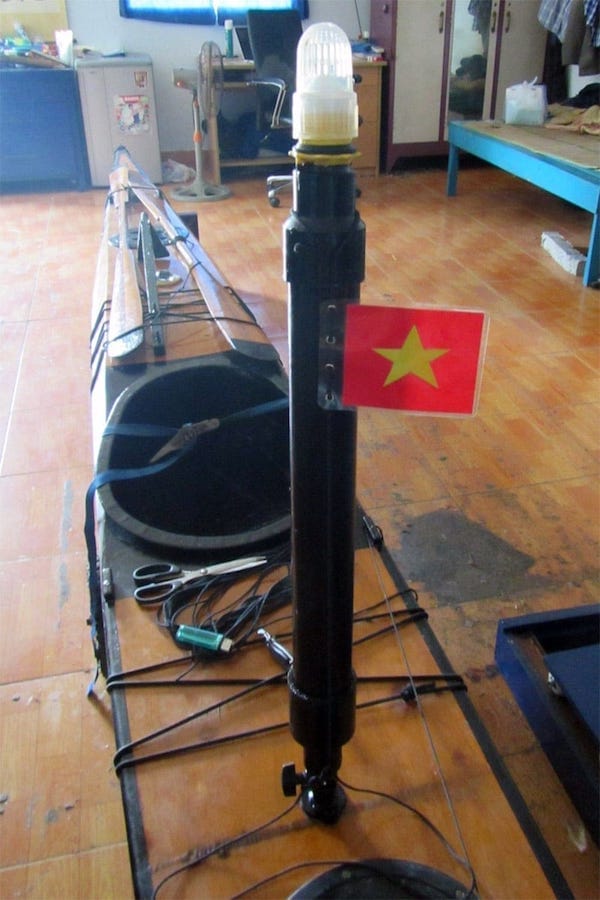
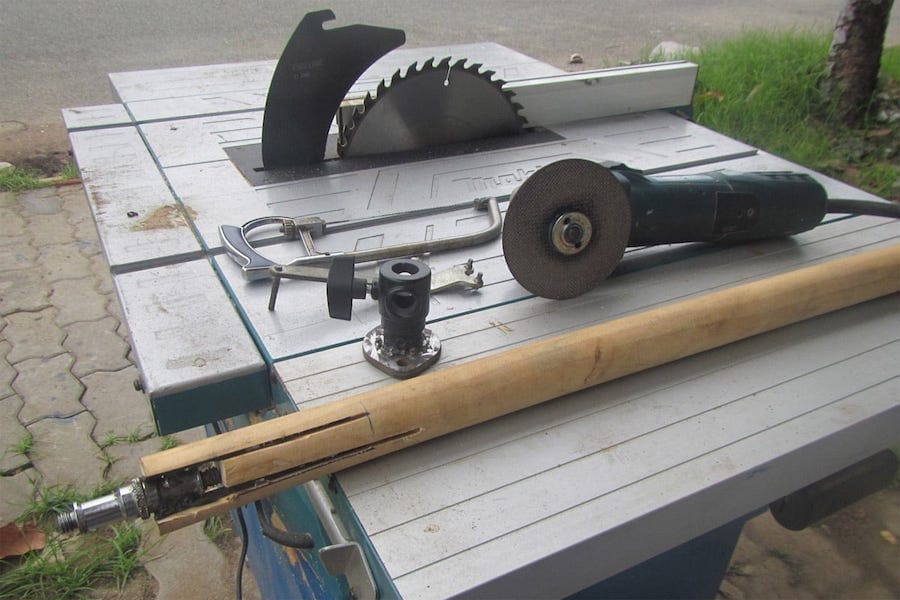
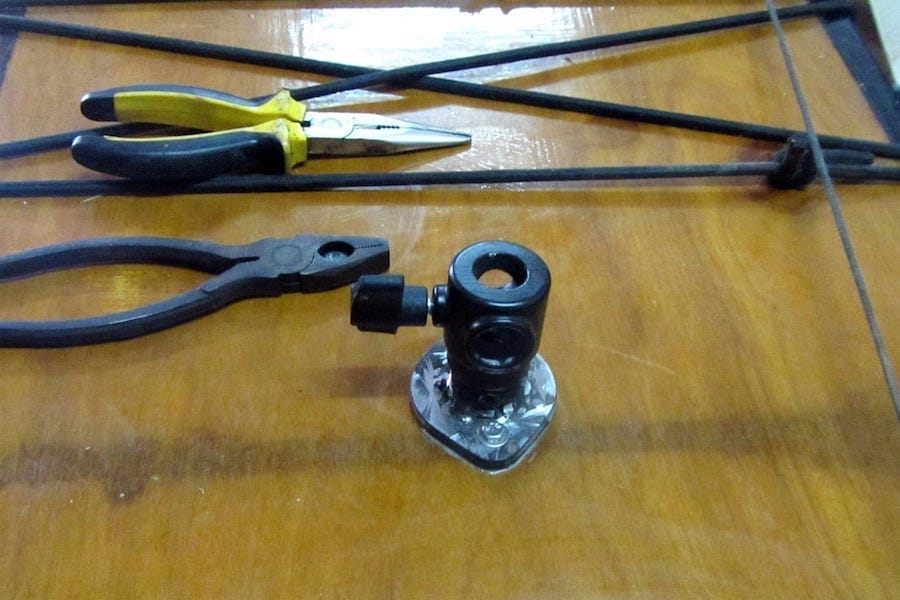
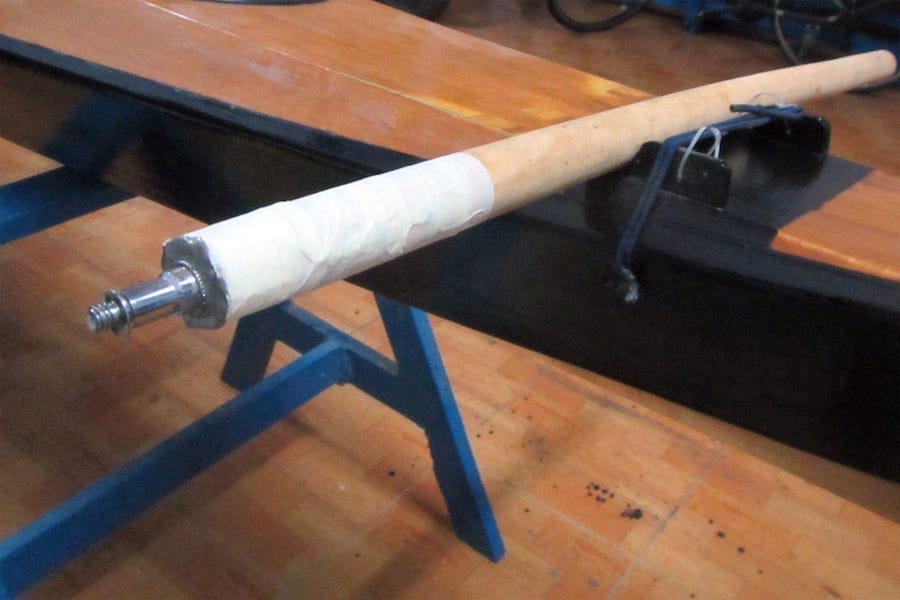
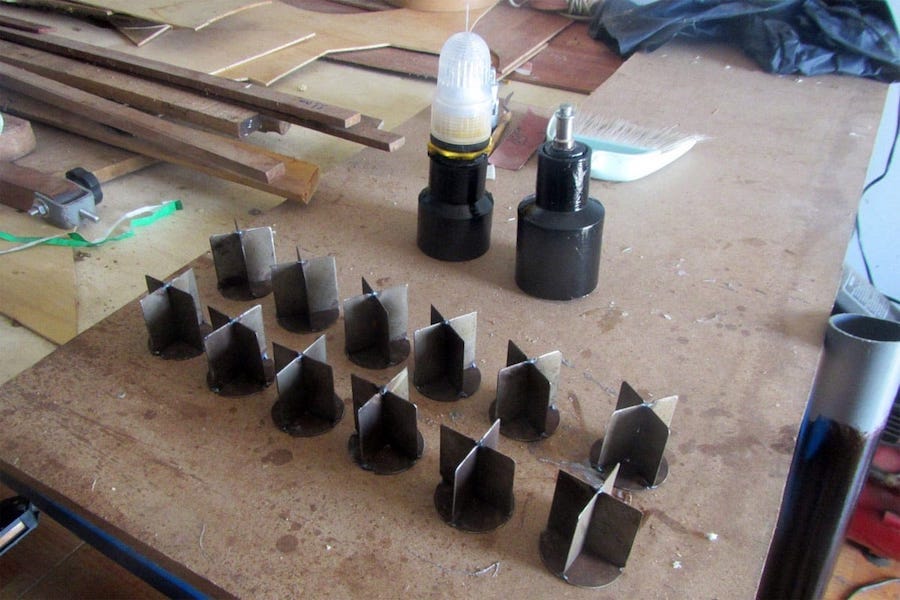
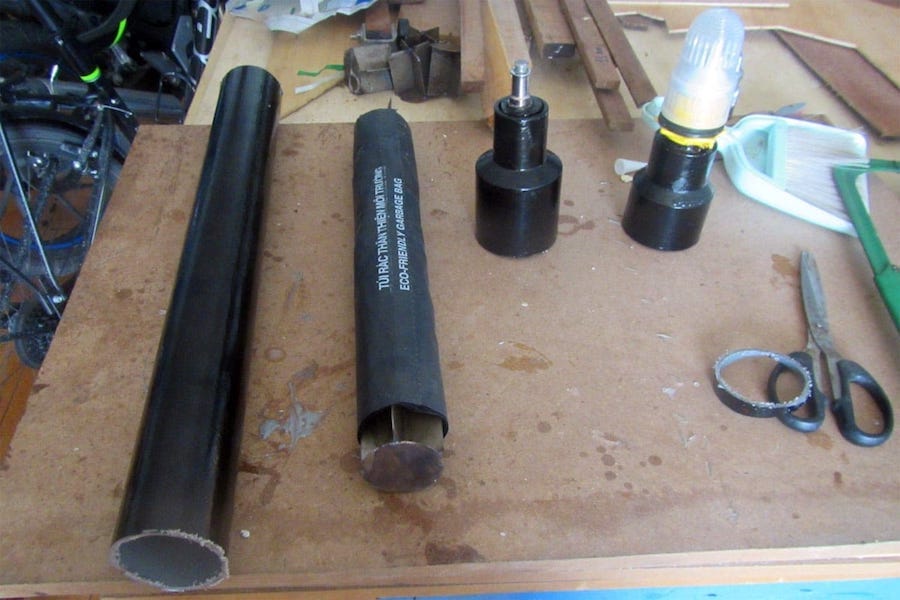
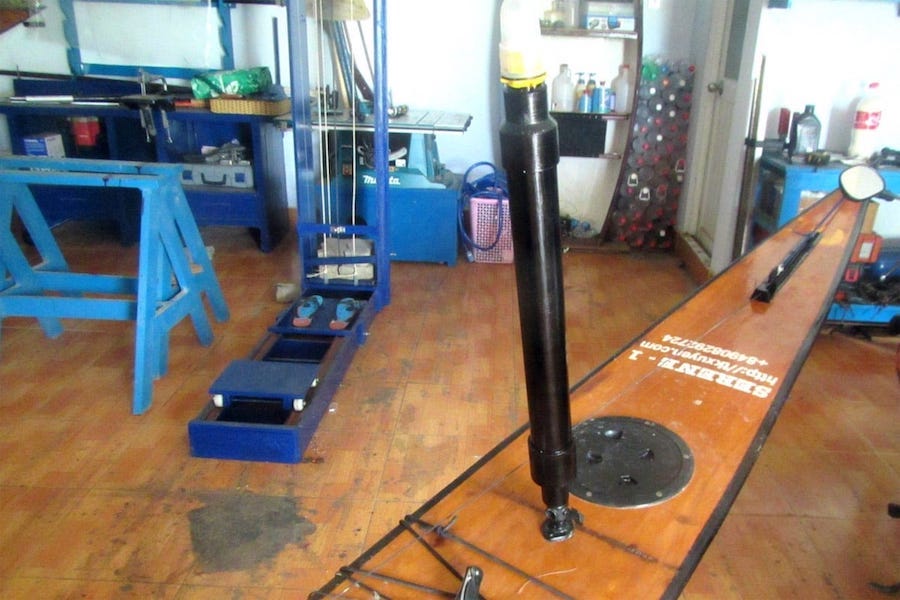
Images below, 1st: the parts of the signal – light mast, 2nd: the signal – light mast (with the tubular radar reflector inside) in its erected position, 3rd: retracted position on the aft deck, 4th: the red – blinking signal light. I would install a small strap near the mast head to mount the GoPro camera. For the mast base joint on the deck, I was searching for a Rosette clamp (Vietnamese: ngàm hoa thị), so that the mast could be rotated around, but can’t find one, so I use this instead.

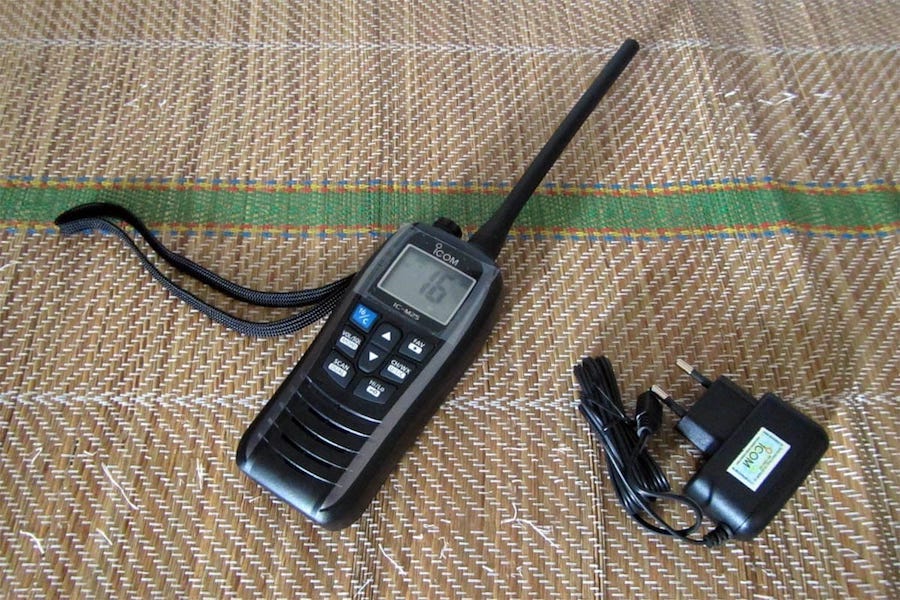
Last image below: the IC-M25 VHF radio used in conjunction with the radar reflector to avoid collision with big ships, it’s better to have a channel of communication with vessels around you and a way to ask for help when needed. The radio floats on water, it has about 11 hours of battery, and best of all, could be charged via a USB cable (that means it could be charged by a smart phone power bank). There’s another very important use of the radio: to listen to the broadcasted weather news.

I also hoist a tiny Vietnamese flag on the signal mast, not because I like hoisting color, but it’s good to gain some sympathy from the Vietnamese border guard or maritime police along my paddling way. That’s about all I could do for my Serene – 1 kayak, preparing it for my next trip (that gonna be a long trip). Of course I have lots of other ideas on kayak building and equipments, but that would be reserved for my next boat, Serene – 2, which I’m gonna work on its design soon in the upcoming time.

Serene – 1 p1
Serene – 1 p2
Serene – 1 p3
Serene – 1 p4

The other day, I took Serene – 1 out to test paddling at full load, 16 bottle of water containing 1.5 liter each, so about 24 kg in total. Though the boat is a bit heavier to paddle, it becomes very stable at its nominal (designed) load. That made me feel very pleased and confident!

The boat could probably take a bit more, about 25 ~ 30 kg of load I guess. Since I designed it as a very lightweight sea kayak, I’m now having some headaches in loading it with appropriate food, drink and gears for my up coming trip (would tell about that in my next posts).

serene – 1, part 29

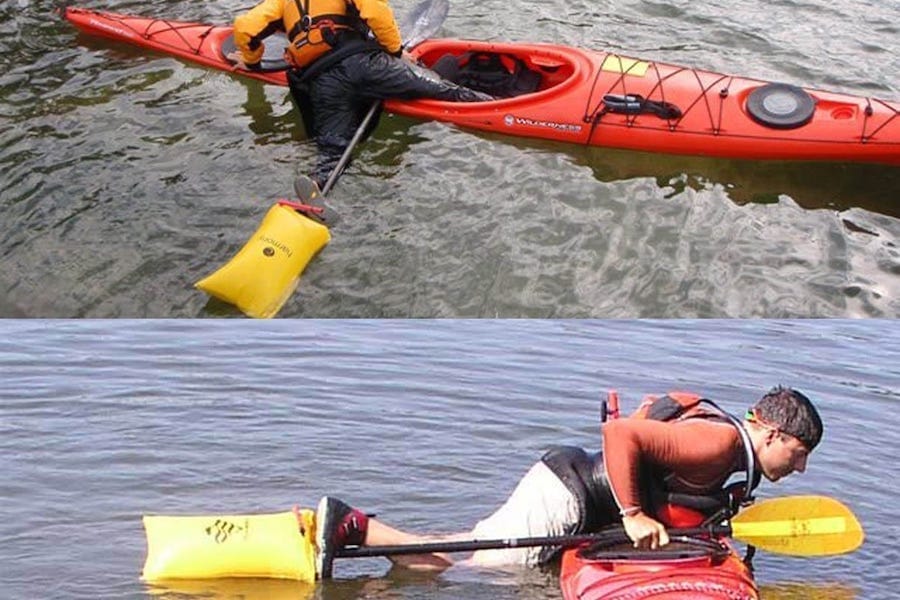
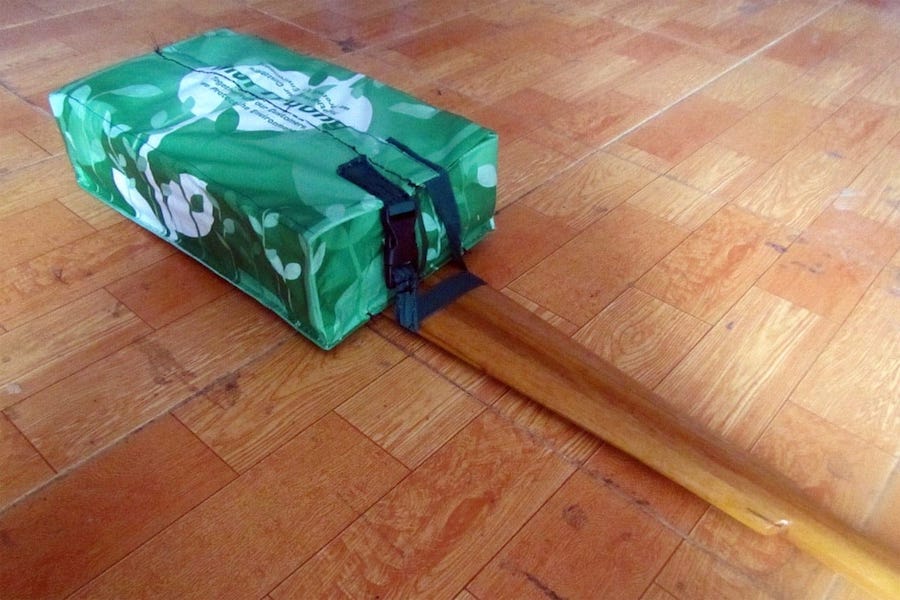
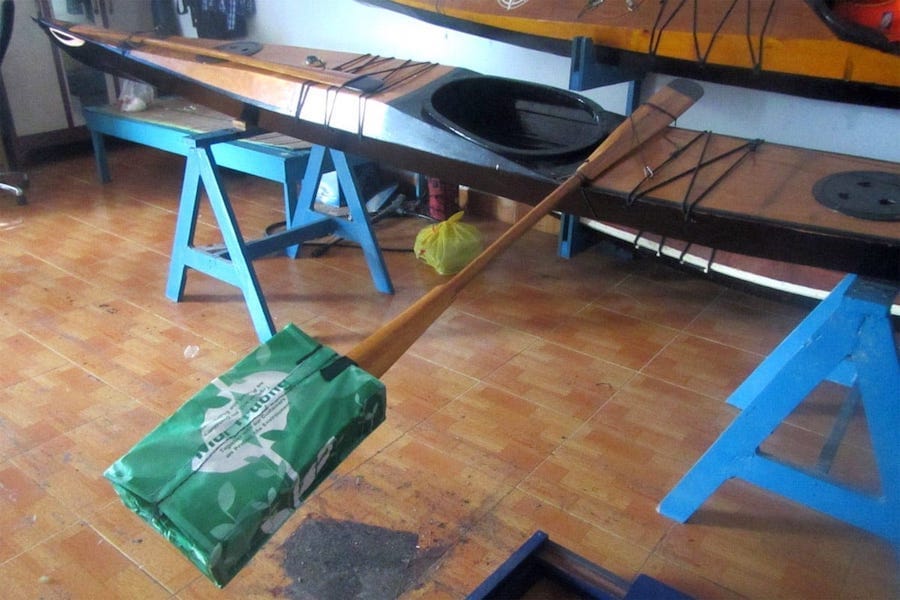
Next is the paddle float used to assist kayak reentry. Often we’ve seen experienced kayakers performing some kinds of rolling, but for most people, that could only be done with an empty boat. When it’s fully loaded for long journey, it’s almost impossible to roll that heavy hull. The most practical way is, of course, just climb in via the aft deck. My paddle float is just a supermarket plastic bag, I hate needle and thread things, but some little tailoring work would be needed to turn a bag into the float.

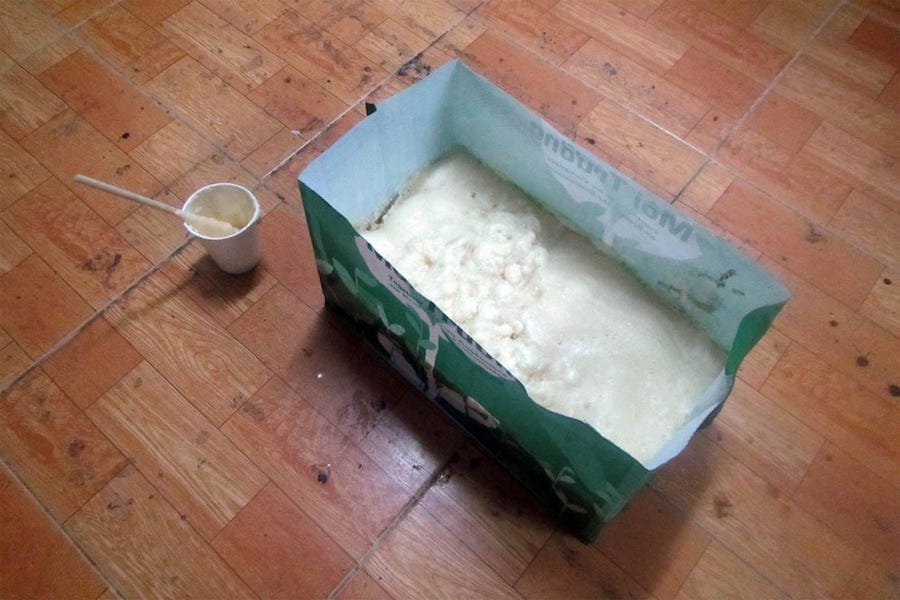
It’s just a quick job stuffing the bag with Polyurethane foam. The float is made such that it could be quickly attached (and detached) to one end of the paddle to assist boarding the kayak from water. One of the most important equipments for a cruising kayak is… a radar reflector. Here I should emphasize its importance a hundreds times, as with experiences gained in my previous paddling trips, your kayak is just so small compared to those huge freighters, looks like just a peanut shell in the sea.
And without a radar reflector, I’m sure that you would probably not be seen from above those high ship bridges. And as a big ship is approaching you, the situation is really critical: to be seen or to be sunk. Having a reflector would boost your boat’s radar signature, and it works best in combination with a marine handheld radio. My radar reflector would have a tubular form, erected on the aft deck, and it functions also as a signal light mast, with a red – blinking light attached to the top.

Serene – 1 p1
Serene – 1 p2
Serene – 1 p3
Serene – 1 p4

The elements of the radar reflector are made from thin steel plates, welded together to create some prism shapes. 8 pieces like that would be put inside a PVC tube (the signal light mast), which create an object with a radar – cross – section of about 1.4 m2 (estimated).

The ugly part about a home – made radar reflector is that you have no way to tell if this equipment works well, how big your boat would appear on those big freighters’ radar screens. But it’s better to have something, hoping that it should work, rather than having nothing at all.

serene – 1, part 28

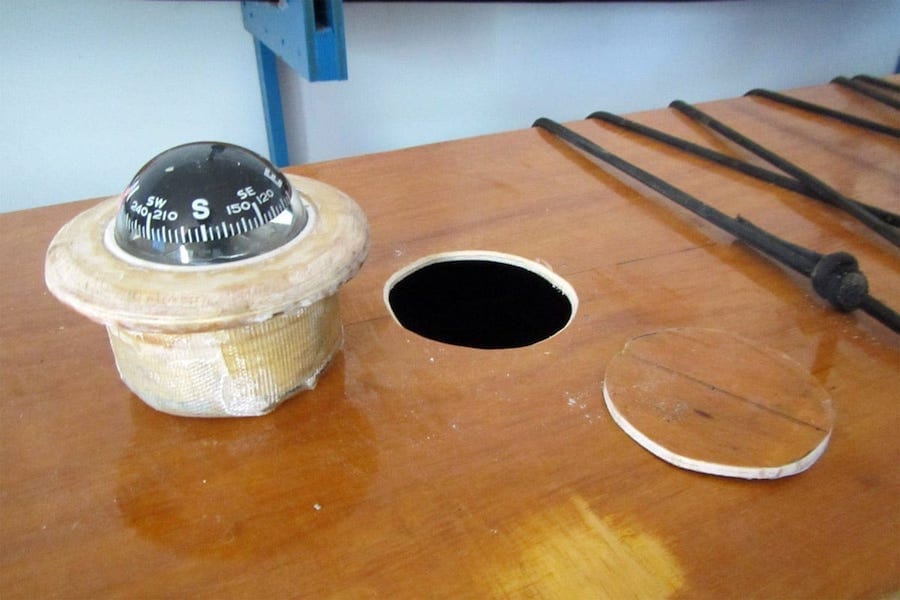
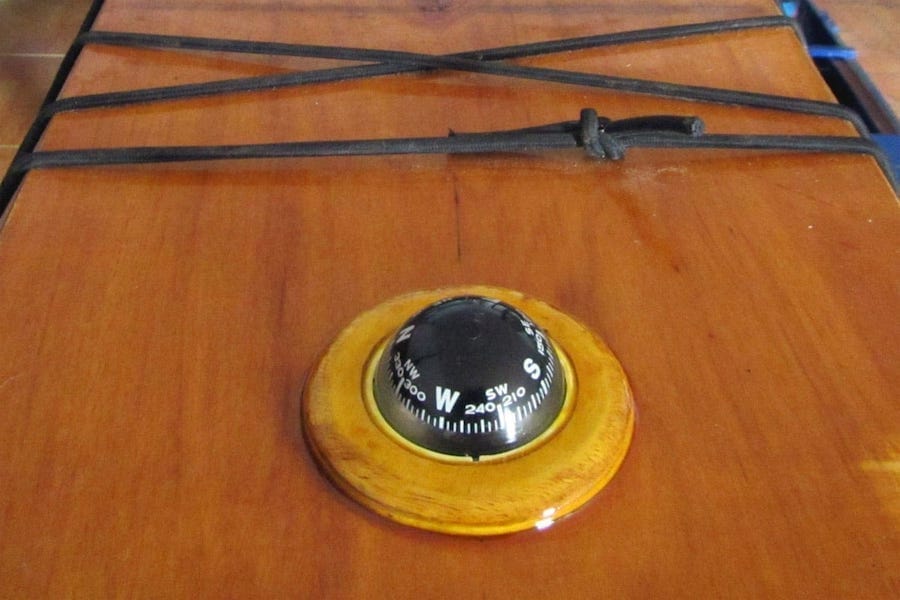
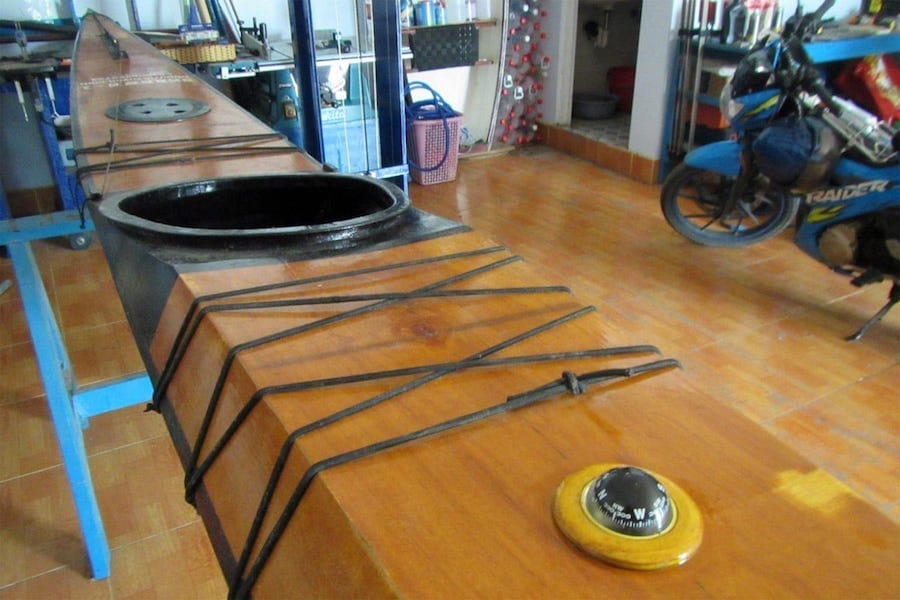
Iam in the progress of preparing for my next trips… so some more add – ons for my Serene – 1 kayak is a must. First is a deck mount compass. I’ve been long wanting a good compass with built – in LED lighting, for paddling at night, but that would require some kind of 12 or 24 Volt DC electric input, which my kayak doesn’t have at the moment. So I came up with a simpler compass available within my local market, and would just use a small flashlight to illuminate the compass instead.

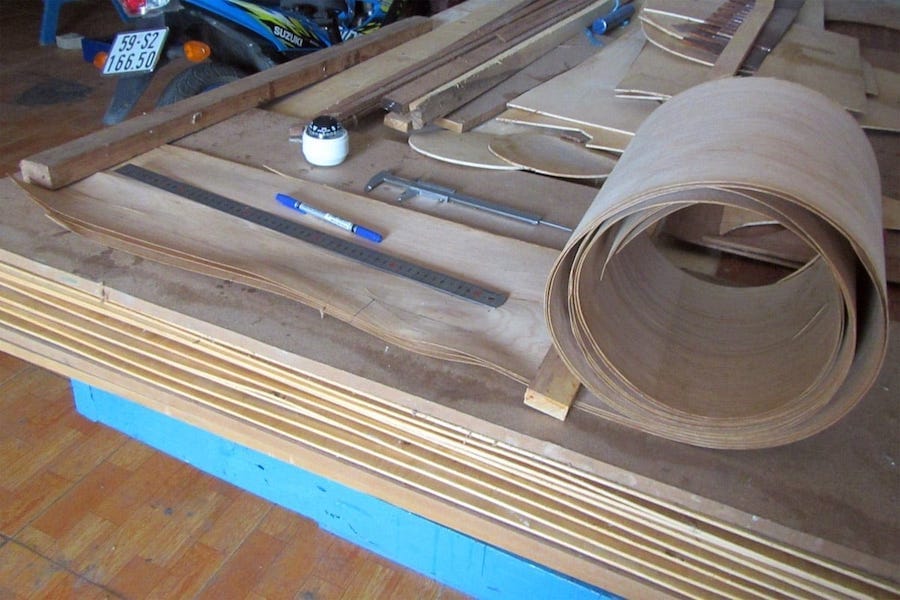
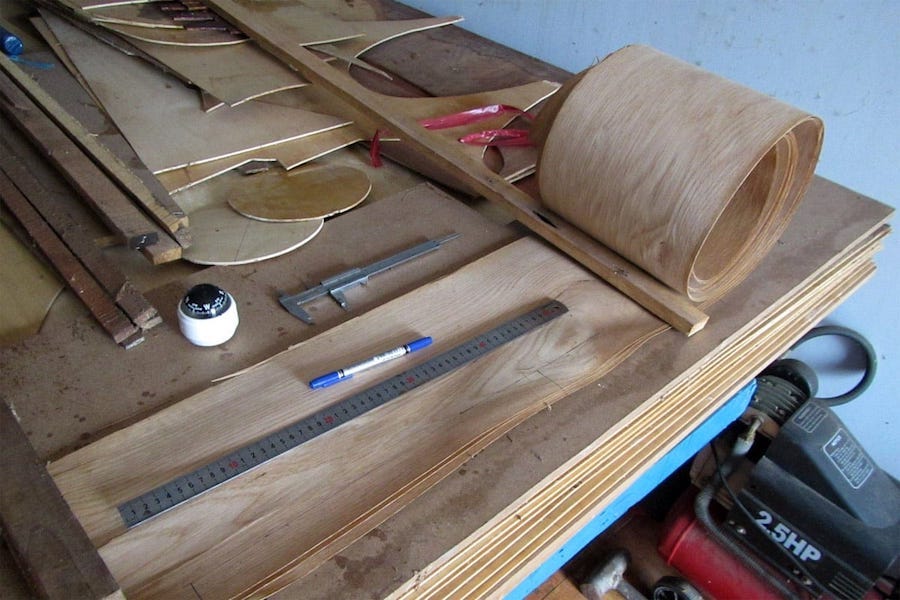
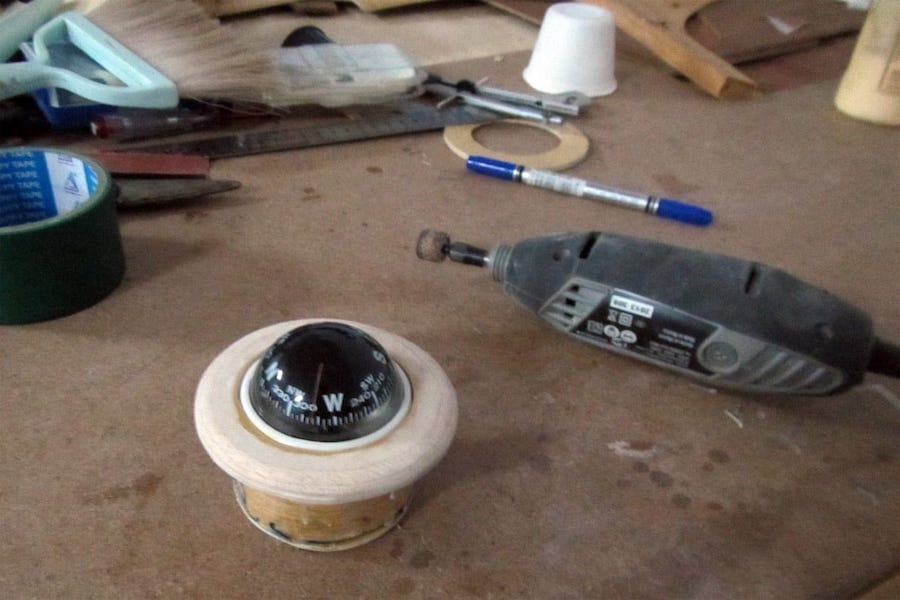
Next is building a “cup” to hold the compass, which would then be mounted, recessively, onto the front deck of my kayak. I use a thin strip of oak veneer to build the cup, turn it two rounds around the compass (with Titebond – 2 glue in between), then add the plywood top and bottom parts. The whole thing would be reinforced with some fillet at the jointing edges, then a layer of glass. It requires some handiness to build the “compass cup”, as its size is quite small and my hands are big and clumsy!

I hate having to punch a hole into my kayak, but it need to be done to fit the compass holder in place. That’s quite straightforward the job, cutting a round hole some distance in front of the cockpit, just before the bungee lines, gluing the compass holder with some epoxy, then some little painting outside. Et voila, here it is, the compass in its working position, it looks so great! And as they usually say: May your anchor be tight, your cork be loose, your rum be spiced, and your compass be true!

Serene – 1 p1
Serene – 1 p2
Serene – 1 p3
Serene – 1 p4

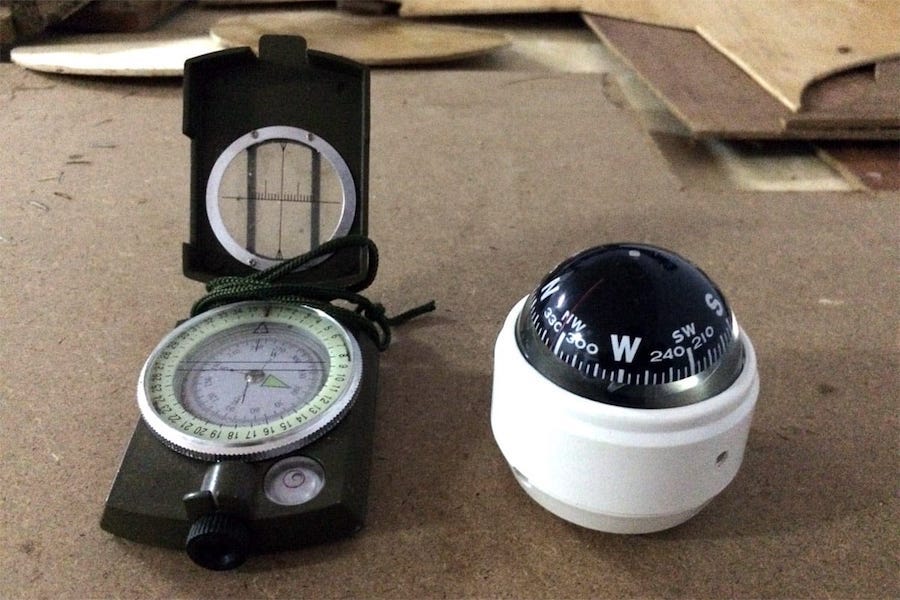
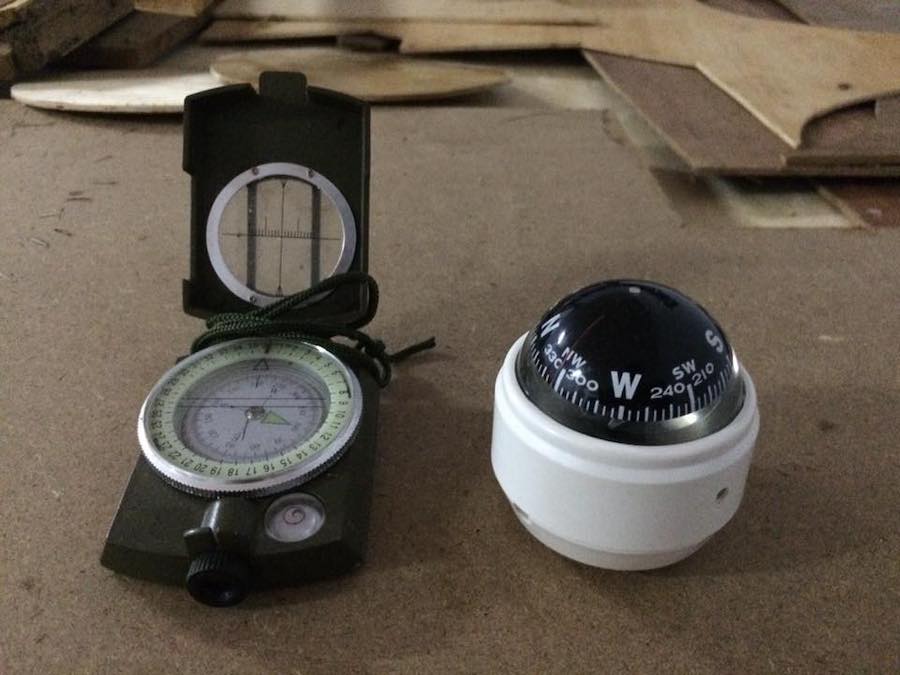
It’s not immediately obvious for me to see why this compass dial (the compass rose) is reversed, looking from above, it’s flipped so that the North becomes South, East becomes West. It took me some minutes to understand the rationale behind that “weird” fact.

Cause in most cases, the boat handler would be sitting, looking forward, so the indicated direction facing him is actually the heading (bearing) of the boat’ stern (not the boat’s bow). Flipping the compass rose would give a correct and convenient reading for the sailor.

compasses

Bên trái là cái la bàn cầm tay (handheld compass), chỉ đúng hướng Bắc. Bên phải là cái la bàn gắn trên thuyền (deck mount compass). Cái bên phải chỉ ngược Bắc thành Nam, Nam thành Bắc! Và cả hai chiếc, theo ý mình, đều đúng! Tại sao!?

rohloff

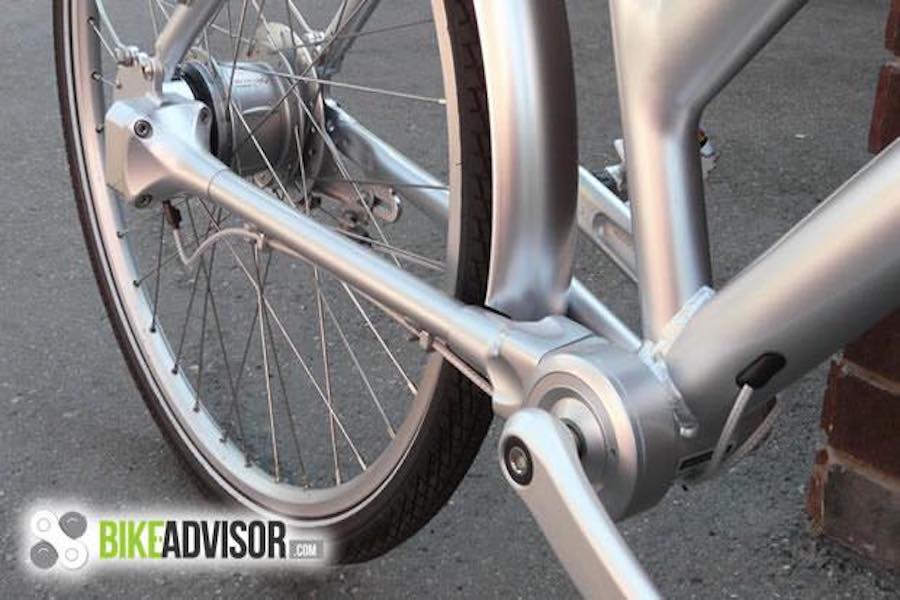
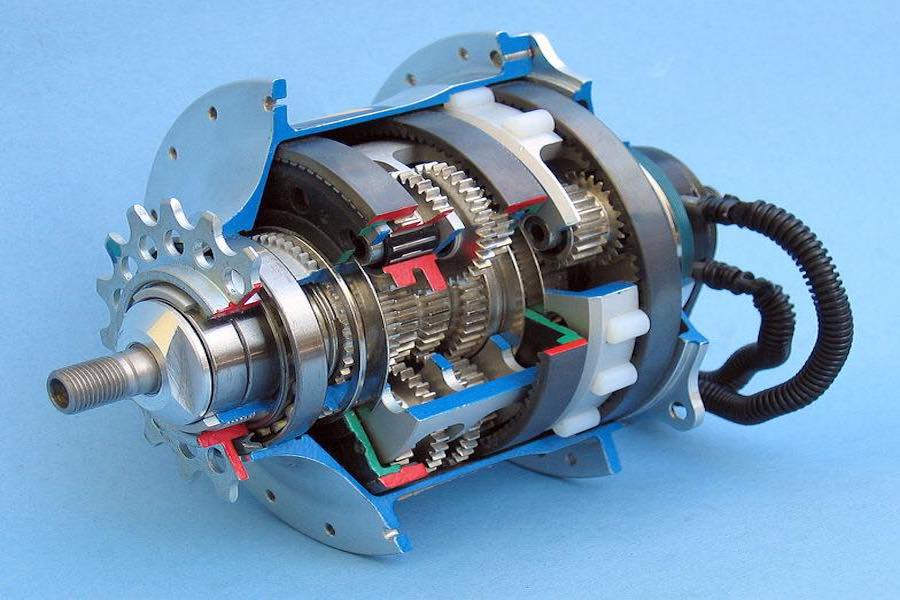
Mơ ước nhỏ nhoi của em… xe đạp sử dụng hộp số Rohloff cùng với truyền động trục (shaft – drive – transmission). Hệ truyền động kín, không lộ bất kỳ phần chuyển động nào ra ngoài, Rohloff speech hub (hộp số 14 cấp Rohloff cho xe đạp), xài bánh răng, cơ chế tương đương, nhưng hoàn toàn khác derailleur (bộ đề). Shaft – drive – transmission: truyền động bằng trục như ôtô, xe tải chứ ko xài chain (xích)

rowing machine – 3

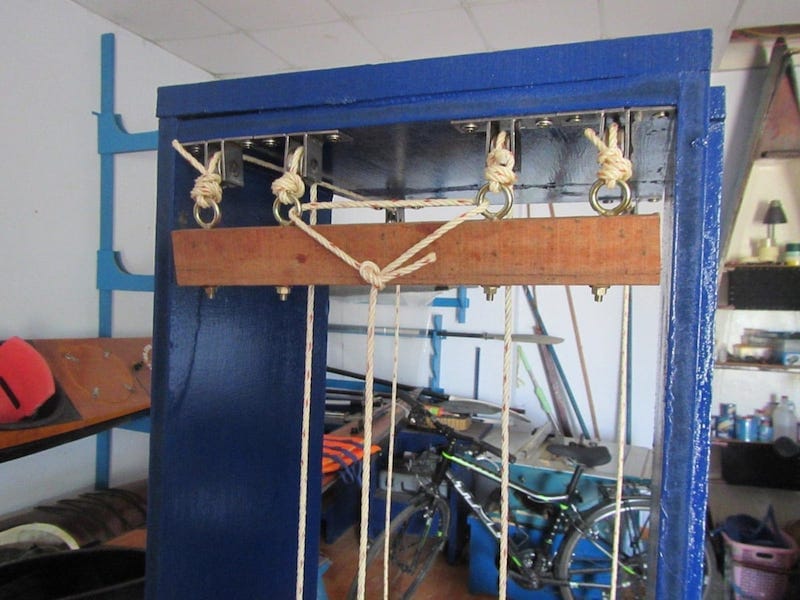
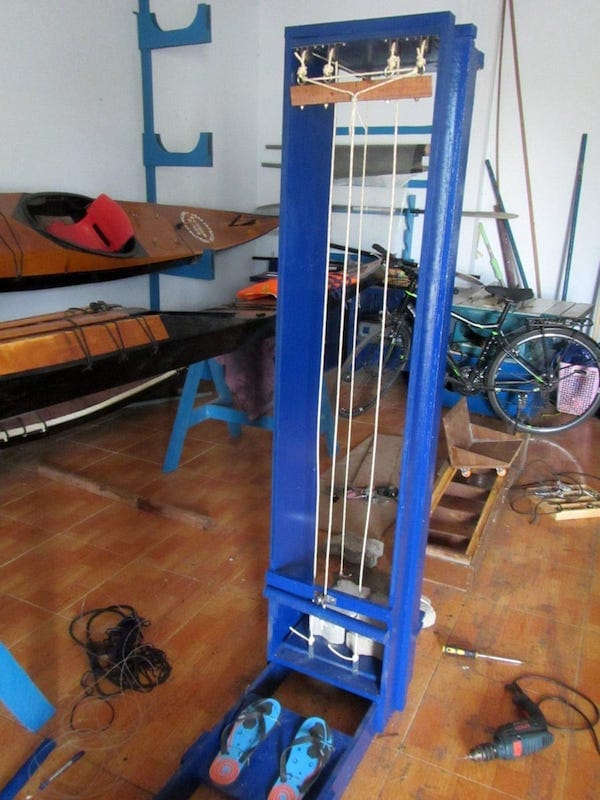
Having some more time this week to finish this very small piece of work: a pulley system for lifting the weights up and down. Then ensemble everything together: the sliding seat, the rotating foot rest (note the pair of sandals tied on it). Initial testing gave satisfactory results, though some adjustments are still needed here and there!

Rowing the machine is quite like riding a bicycle on long distance, it seems light and easy at first, but it gets more and more demanding the longer you row. That’s a perfect machine for exercising many of your body’s muscles. I made a quick video capture with my phone to show how the machine works below (sorry for the poor lighting condition).

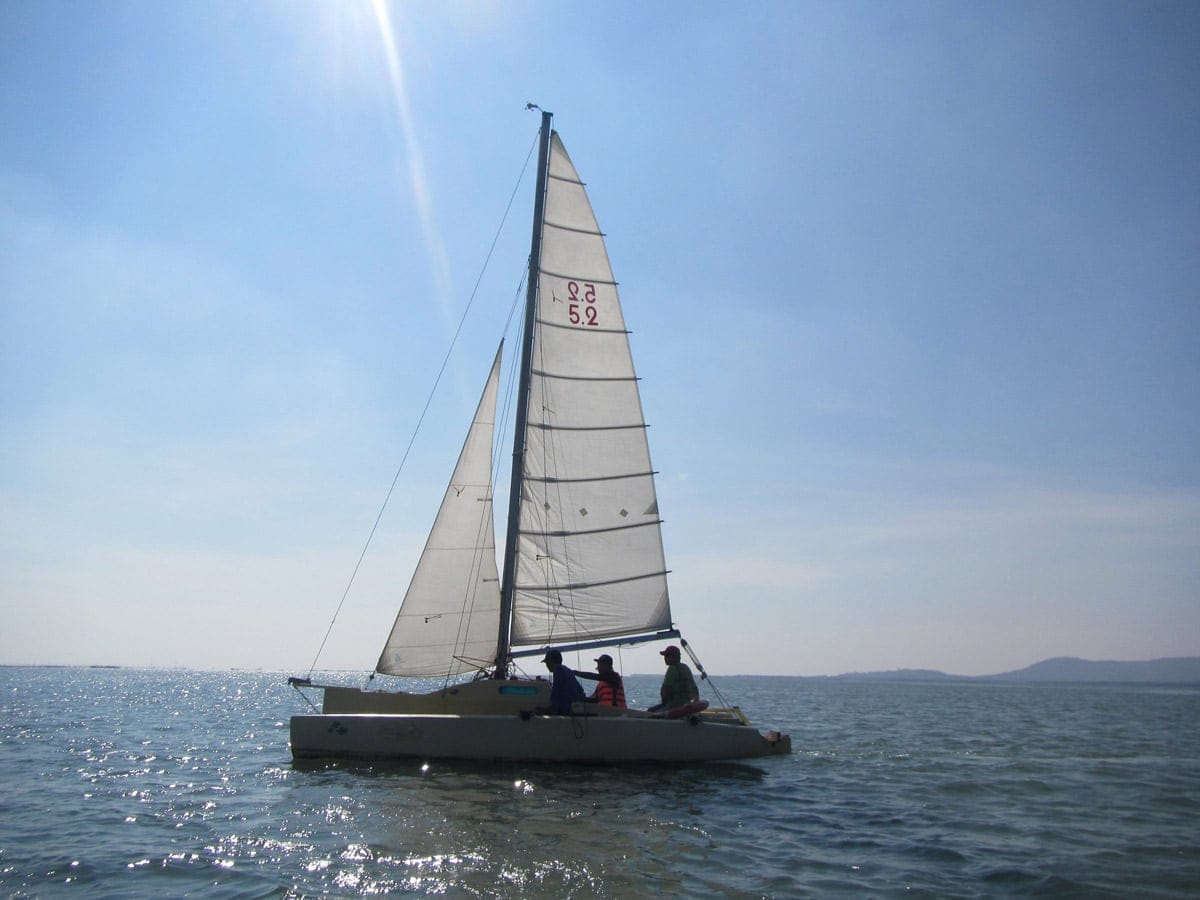
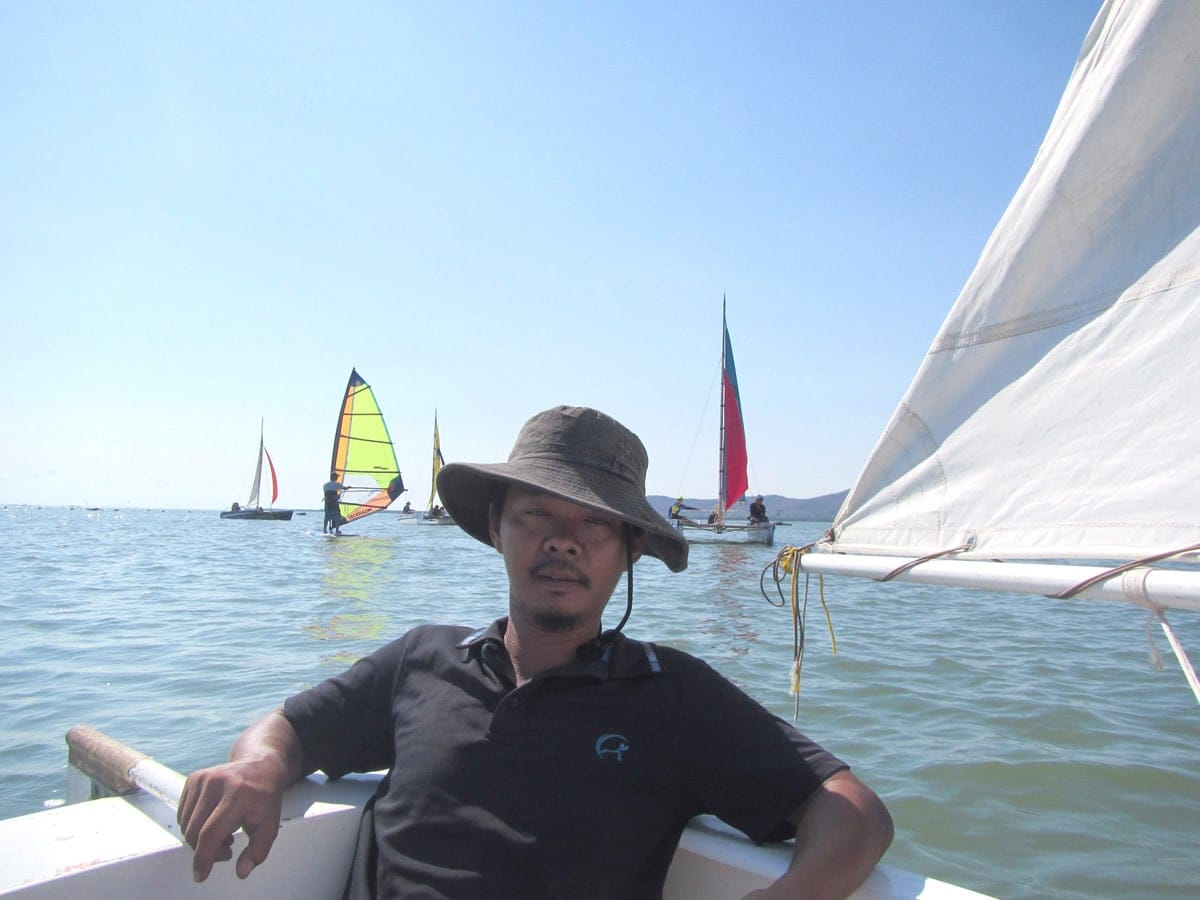
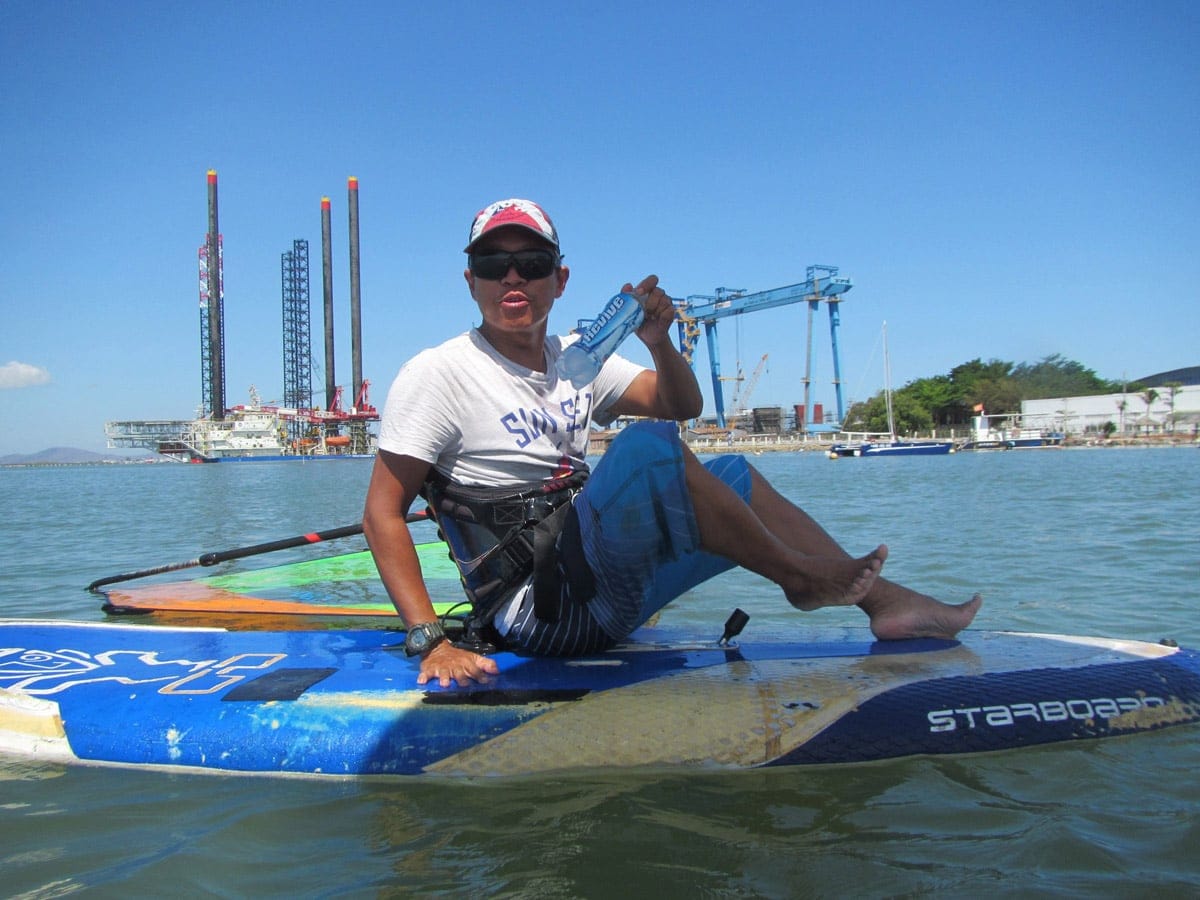
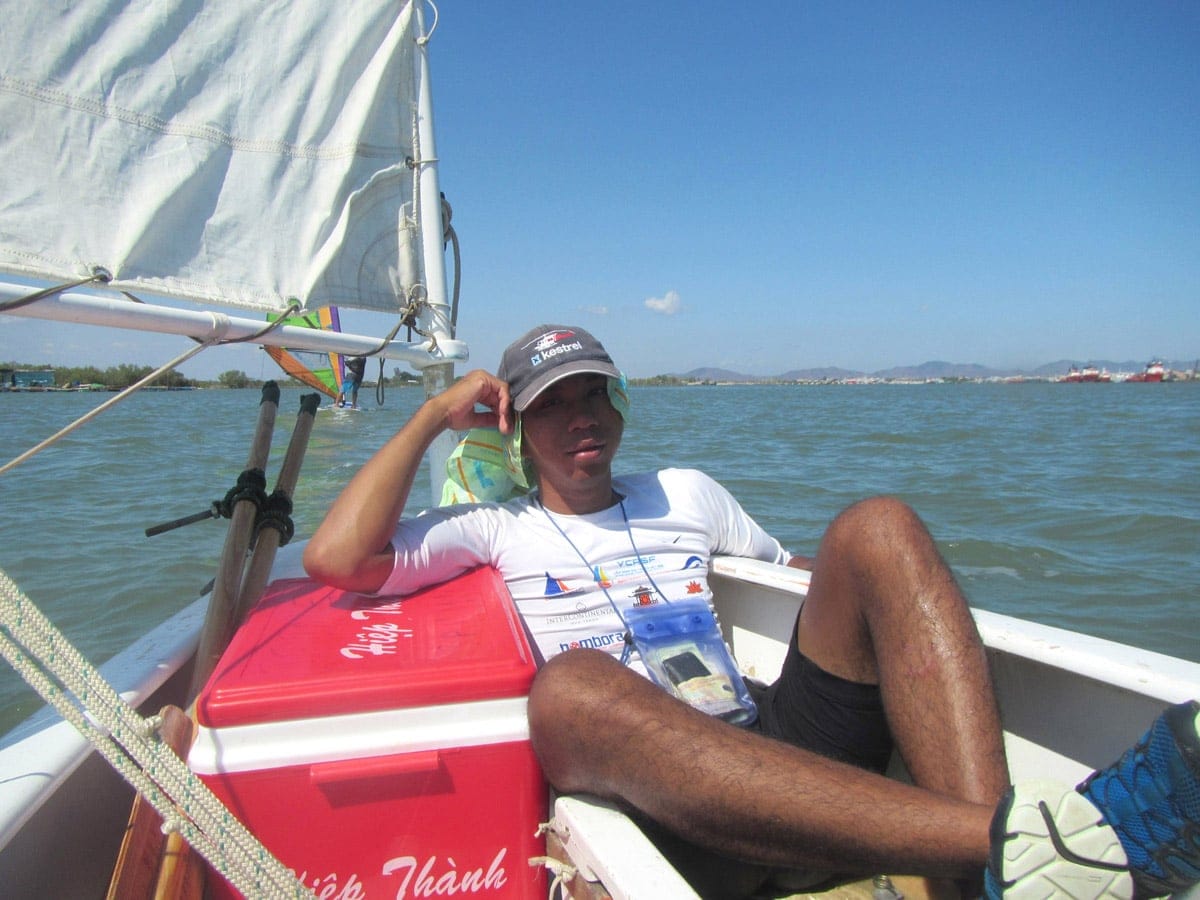
vũng tàu sailing, 3

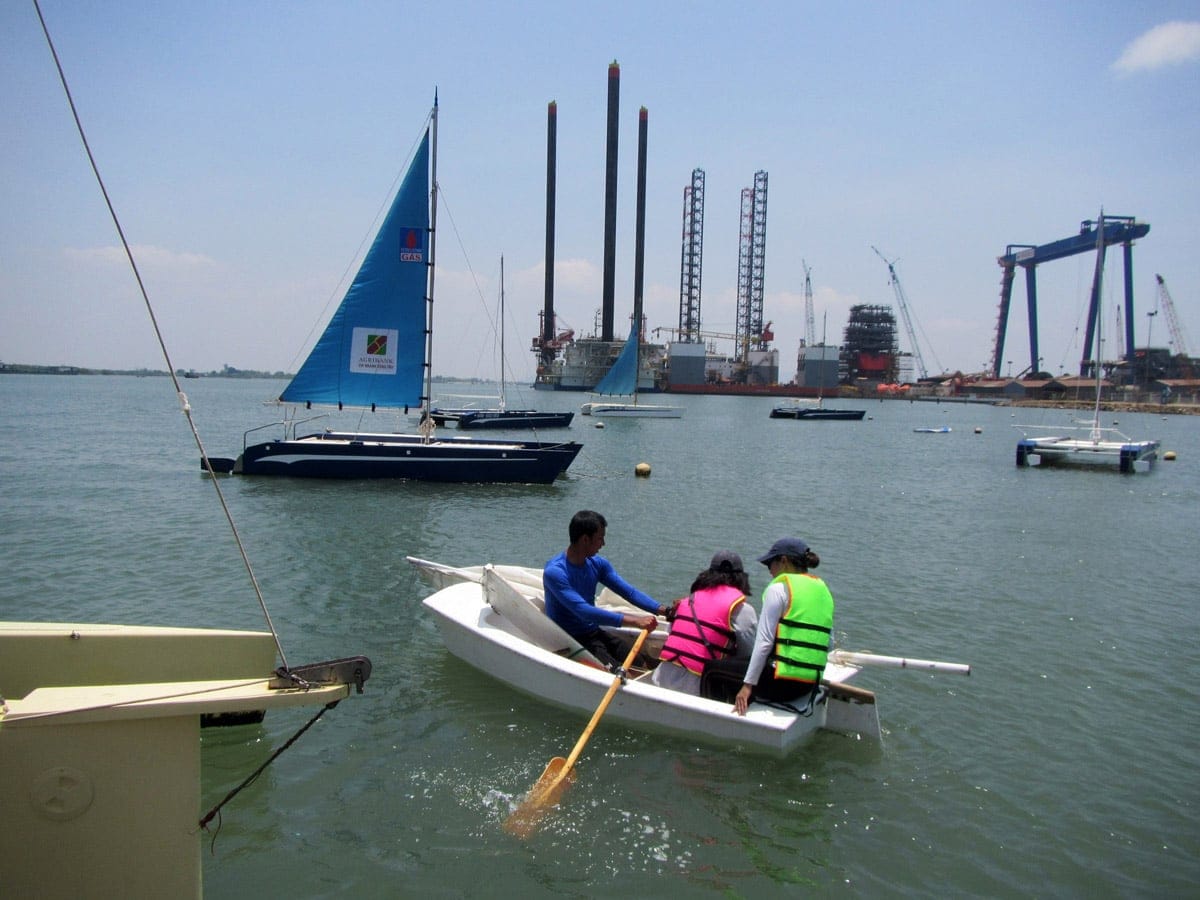
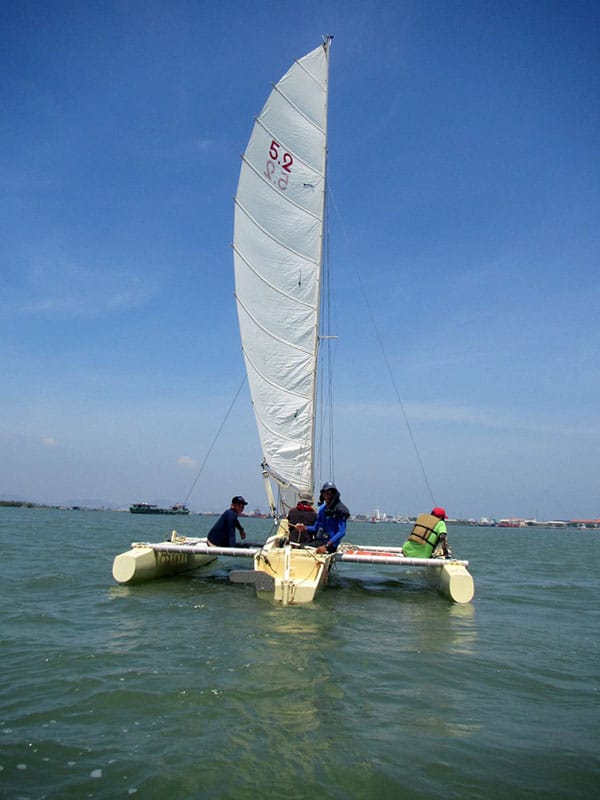
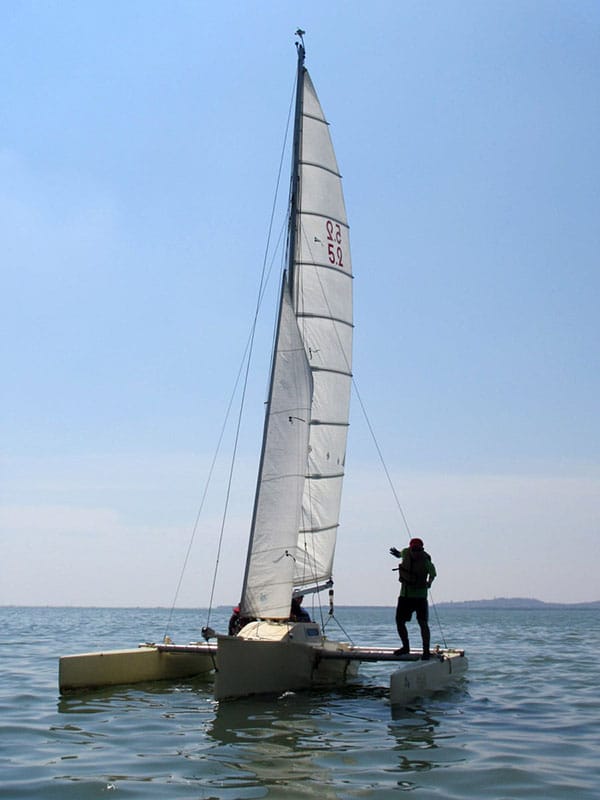
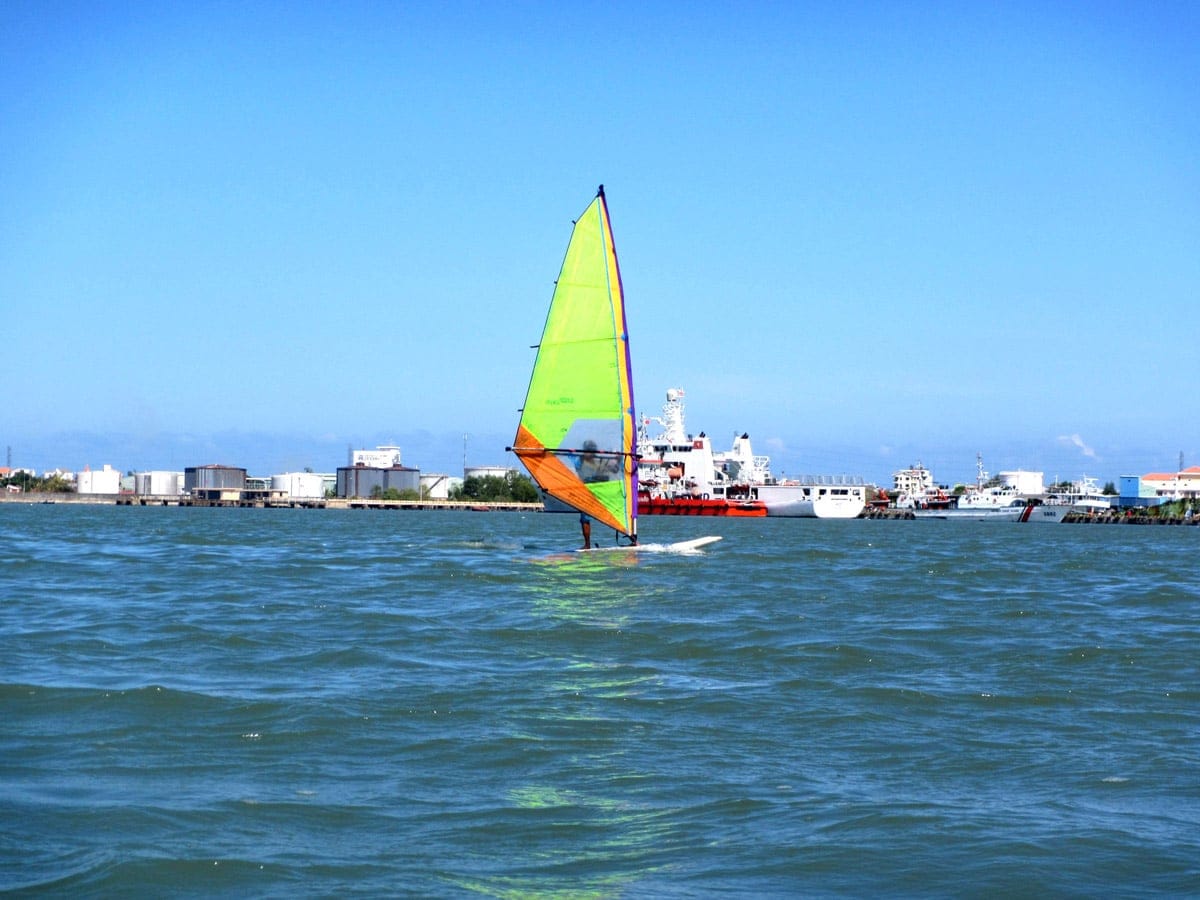
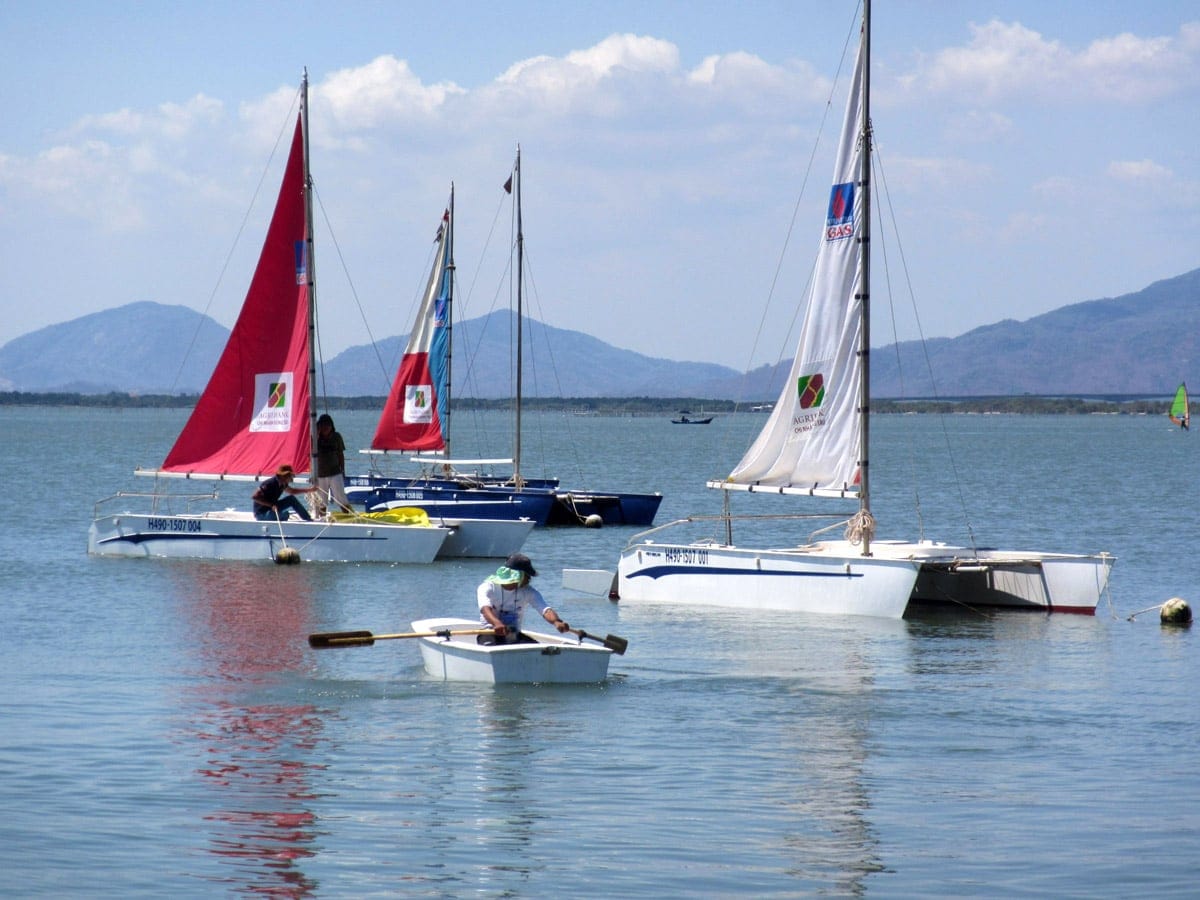
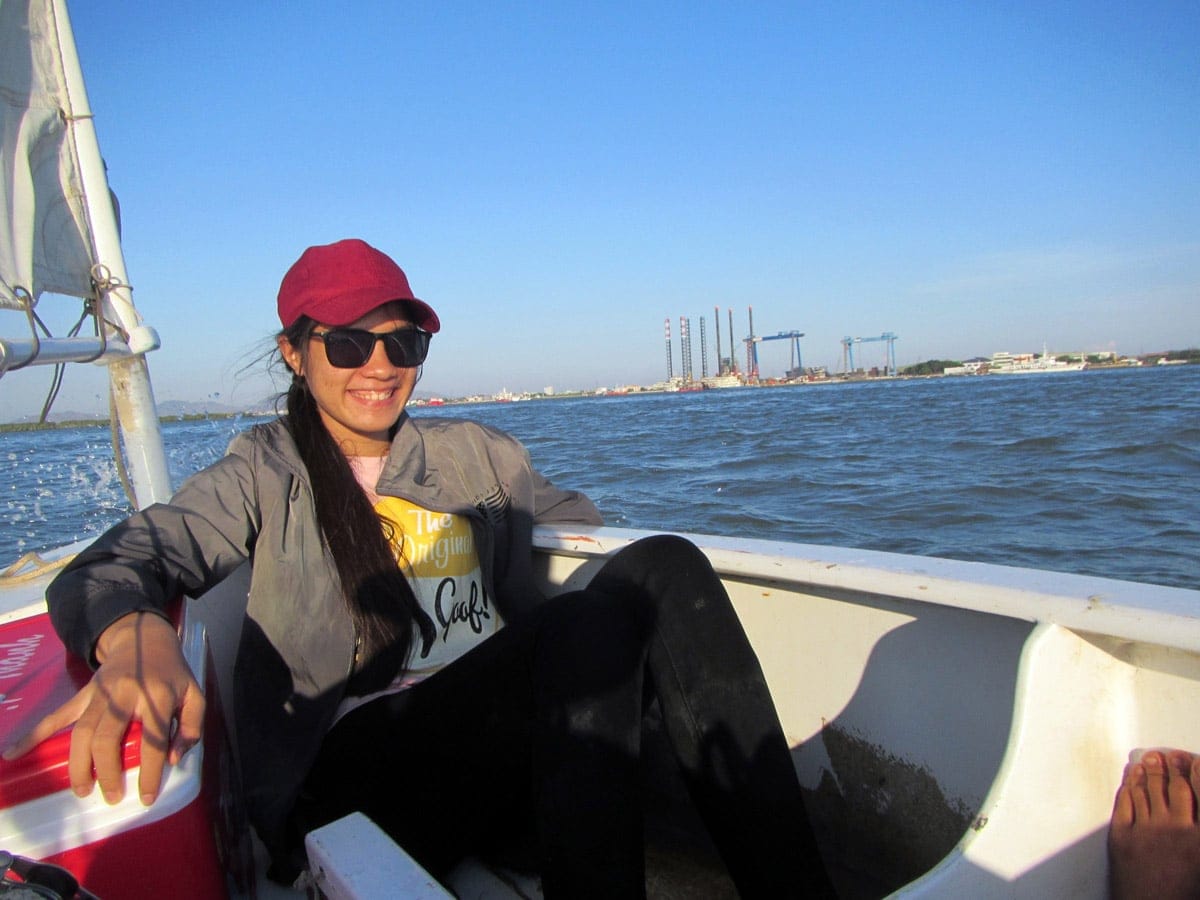
There’s always something new to learn about sailing, and this weekend, we practice the MOB (man over board) situation. Supposed a crew member accidentally falls out of the boat, and we need to come back and rescue him / her under sail as soon as possible. Everyone takes turn taking the skipper role and rehearsing the MOB procedures.

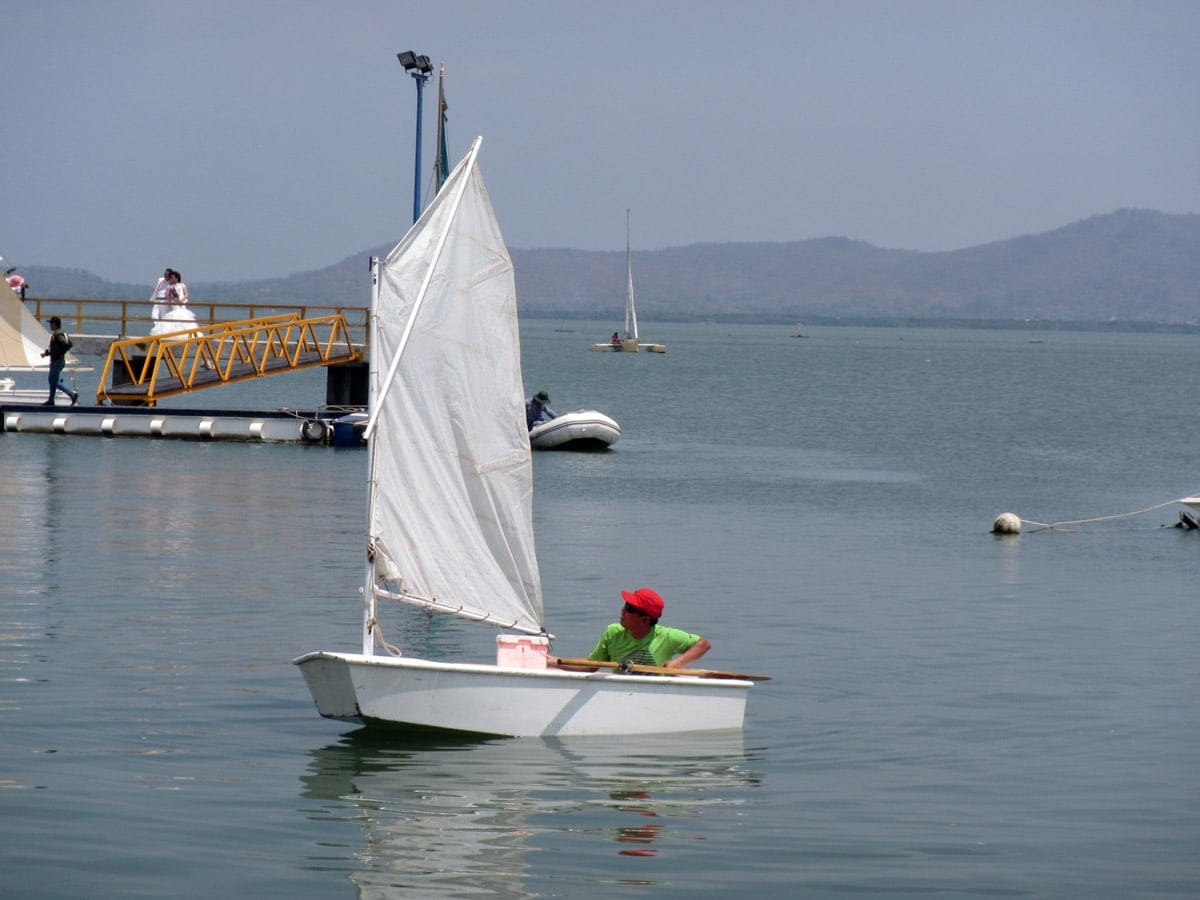
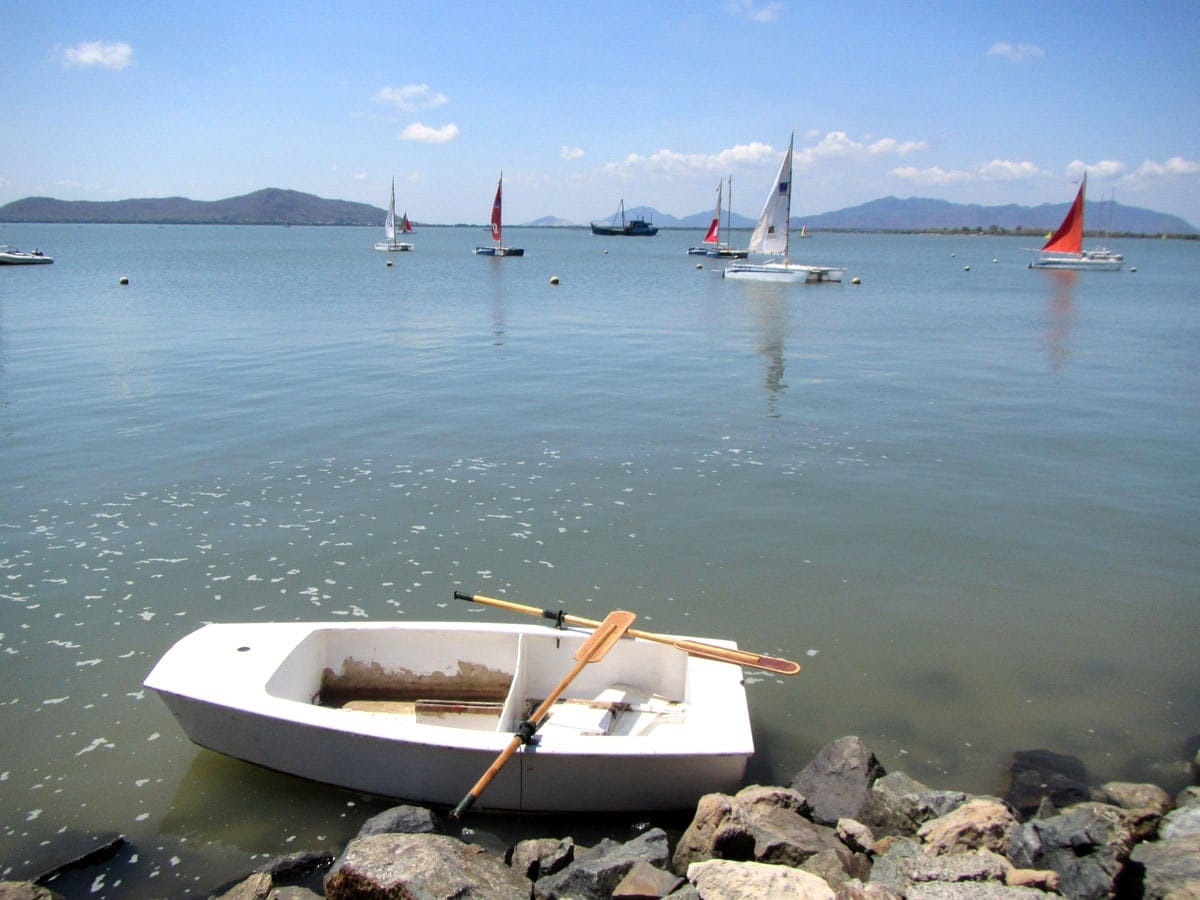
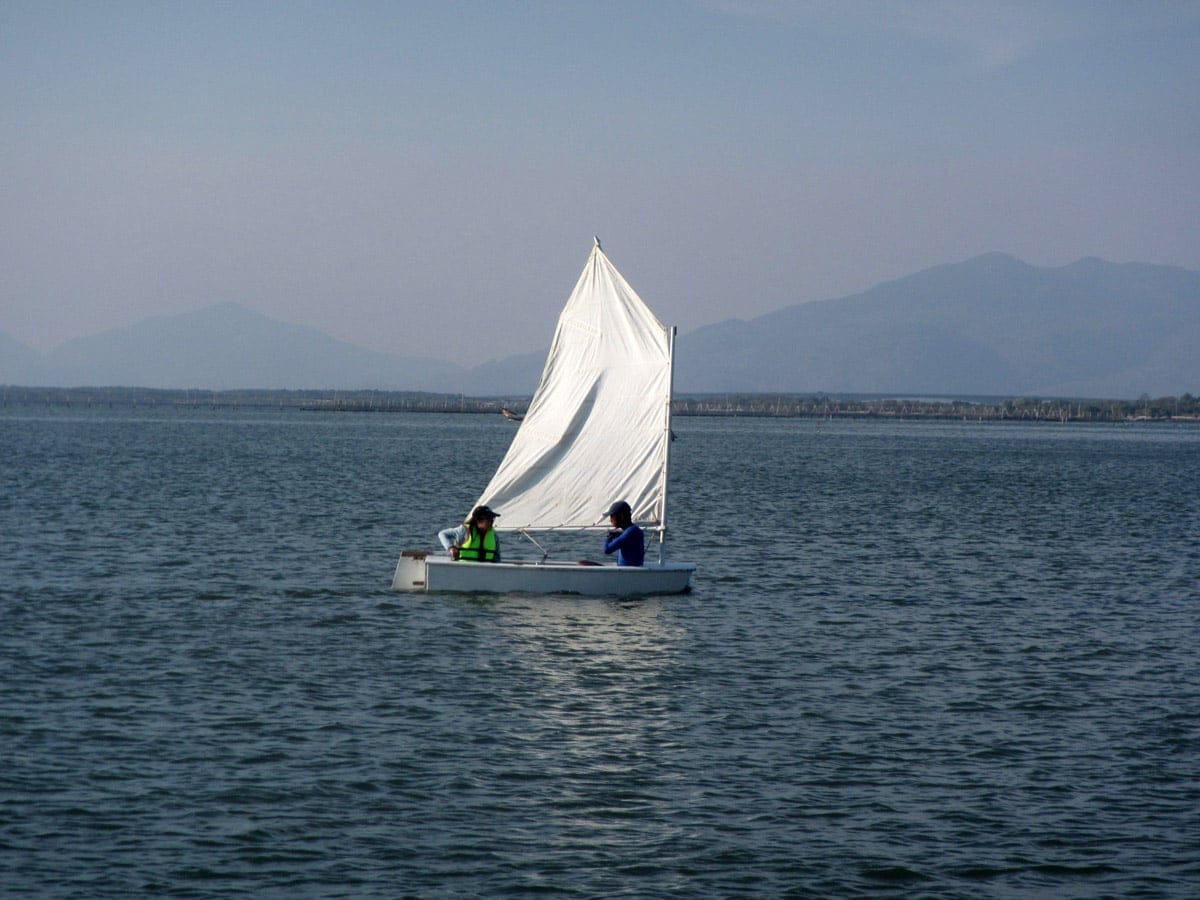
But actually, most fun comes with the smallest type of boat, the Optimist. I had a very good time learning some of my crash courses with it, a tiny, but responsive boat, which gives you the right feeling about how to handle a boat in different wind and water situations. Do it the hard way is the motto I firmly believe to be ultimately true and beneficial!

midlife crisis

Họ, những quý ông quý tộc, hay một người bình dân vô danh. Ra khơi trên những con tàu trị giá 200 đô, hay 200 ngàn đô. Chạy trốn một cuộc khủng hoảng tuổi trung niên, hay đang tìm kiếm những phiêu lưu mới. Tất cả đều chia sẻ chung một niềm đam mê đến ám ảnh với cái không gian tự do rộng lớn ngoài kia…

rowing machine – 2

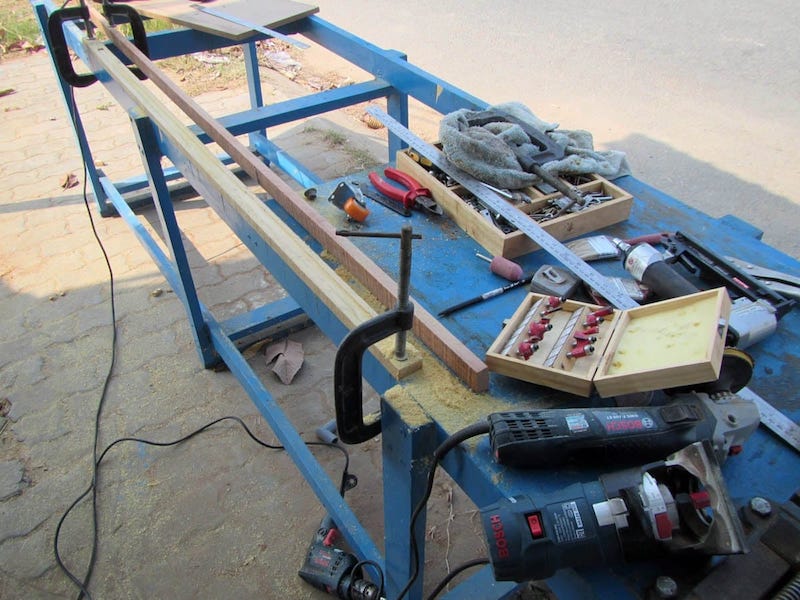
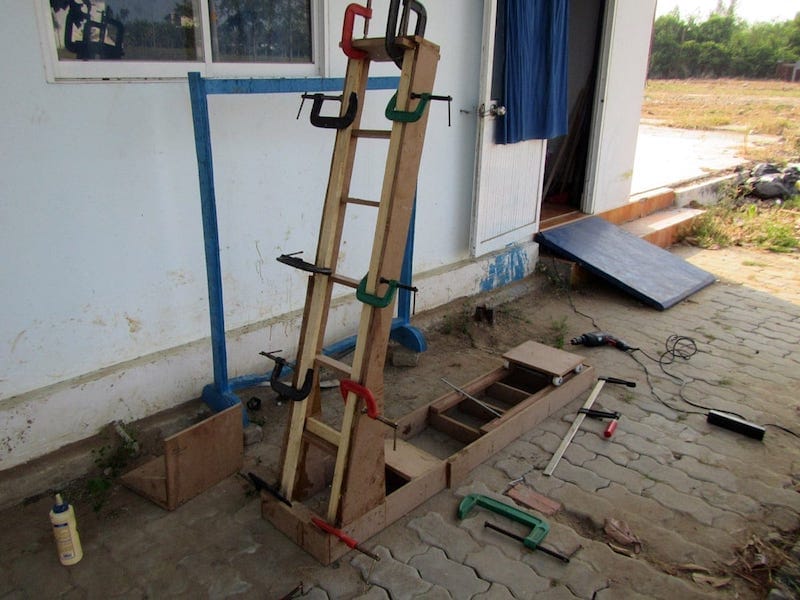
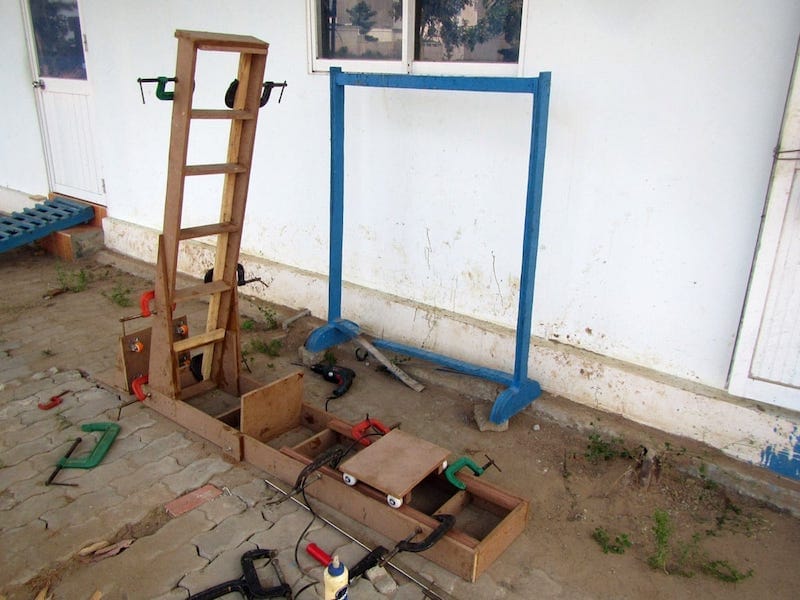
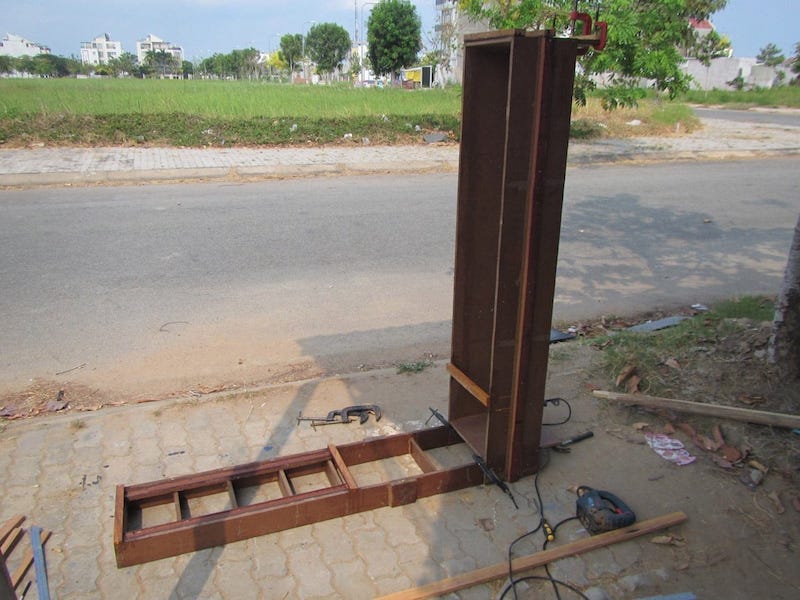
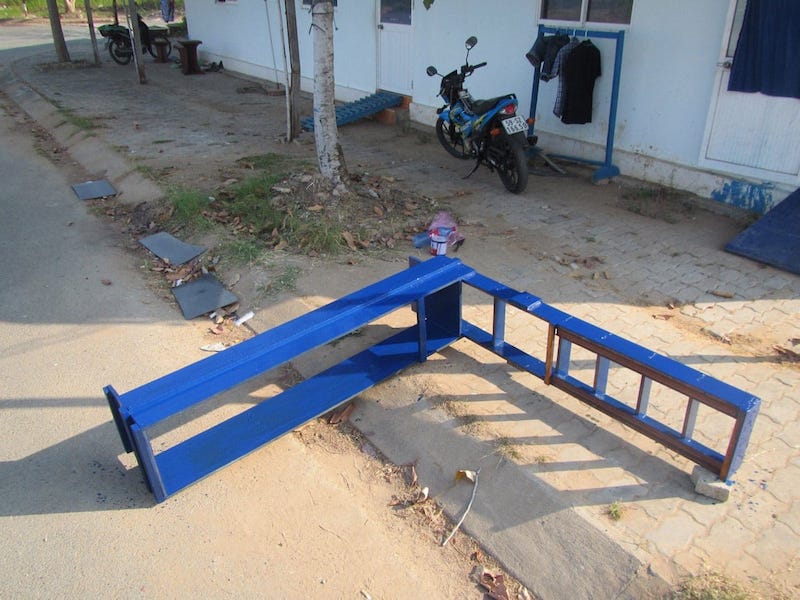
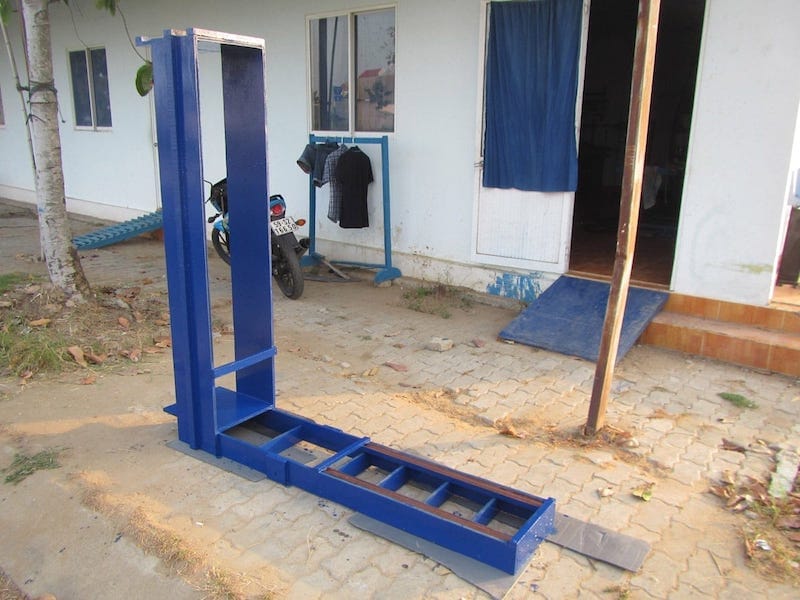
Have some times this week to continue working on my rowing machine. First is the basket used to contain weights (just some bricks instead of those iron weight plates). It runs on 4 small plastic wheels lying on 2 wooden rails. A system of line and 3 blocks is used to move the weights basket sliding up and down in an near – vertical manner (75 degrees).

It’s only when I first try running the machine that I’ve found out it is making so much noises, the 8 wheels on wooden rails. I decided to change from the slanted design (4th image) to an upright one (5th image). The weights would run up and down by a system of lines and pulleys, rather than running on rails. Proceed slowly as I have little free time for the moment.