the rain on the leaves

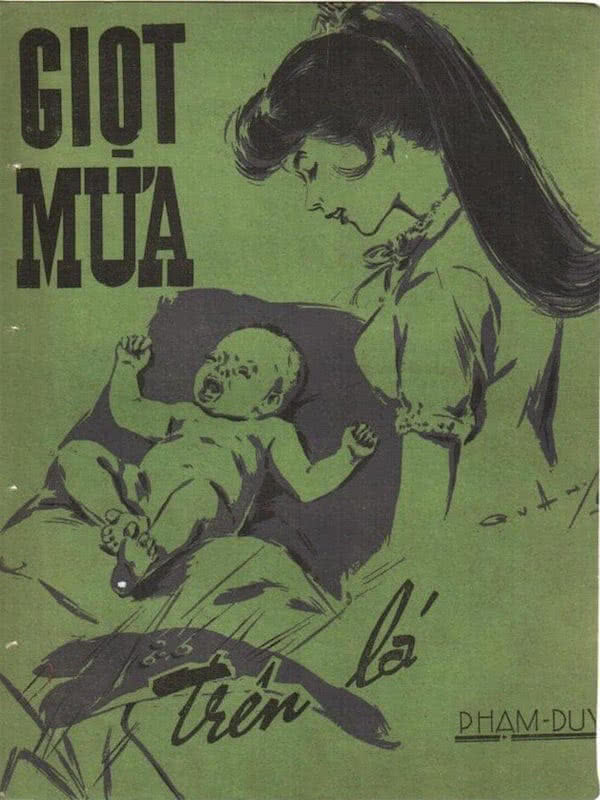
Some interesting recently – collected video documents: Phạm Duy with Steve Addiss on his song: Giọt mưa trên lá (the rain on the leaves) and Phạm Duy with the legendary Pete Seeger and the American folk song Clementine. Center image: the original poster of the song, and the original Vietnamese rendition (by the singer Thái Thanh) on the left.

Giọt mưa trên lá - Thái Thanh 
The rain on the leaves 
Steve Addiss & Phạm Duy

It’s not an abnormal thing to see church – music – influential songs like this to be the first to catch notices from Westerners (the Vietnamese – native pentatonic is harder to digest however). Indeed the song has been thought by some as a translation of a certain American folk song, which is absolutely not. The same is applied to several other Vietnamese songs, such as this Scents of Yesteryears, which easily touch the hearts of listeners outside VN.

for whom the bell tolls

Men of five still alive through the raging glow.
Gone insane from the pain that they surely know.

(Metallica)

Excerpts from the 1943 film following Hemingway’s novel. In some aspects, this is a great film, highly symbolic and dramatical, beautiful staging and casting, but still nowhere closed to the book. So read the book here (zipped text file)! It’s said that Hemingway handpicked the actors and actresses himself for the roles, but he greatly disliked the film due to it’s political content removal.

Excerpt 1: The old guerilla man of El Sordo and his last four men make their last stand on a dead-end hilltop. They’re waiting for their fate to come, and the young Joaquin does the praying when the Russian machine gun barrel turns hot on his shoulder as the planes approach: Holy Mary, Mother of God, pray for us sinners now and at the hour of our death, Amen!.

…Dying was nothing and he had no picture of it nor fear of it in his mind. But living was a field of grain blowing in the wind on the side of a hill. Living was a hawk in the sky. Living was an earthen jar of water in the dust of the threshing with the grain flailed out and the chaff blowing. Living was a horse between your legs and a carbine under one leg and a hill and a valley and a stream with trees along it and the far side of the valley and the hills beyond…

Excerpt 2: Robert Jordan, severely wounded on the way retreat after the mission, says farewell to his lover María. He stays behind to cover the enemy for others to safely escape. The scene removes the detail of Agustín asks if Jordan need a shot or he can manage himself once left behind. Counting the last minutes of his life, in such moment, one can hear the bell tolling for his soul!

Lieutenant Berrendo, watching the trail, came riding up, his thin face serious and grave. His submachine gun lay across his saddle in the crook of his left arm. Robert Jordan lay behind the tree, holding onto himself very carefully and delicately to keep his hands steady. He was waiting until the officer reached the sunlit place where the first trees of the pine forest joined the green slope of the meadow. He could feel his heart beating against the pine needle floor of the forest.
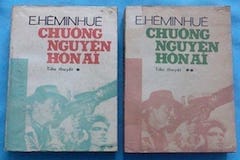
Robert Jordan, as illustrated on this Vietnamese translate book cover, using a Lewis gun, or just called a mácquina as in the book.

songs for free men

…The reasoning behind his persecution centered not only on his beliefs in socialism and friendship with the peoples of the Soviet Union but also his tireless work towards the liberation of the colonial peoples of Africa, the Caribbean and Asia, his support of the International Brigades…

Listening to Paul Robeson’s album: Songs for free men… a very lovely basso profondo concert singer (he was one of the few true basses in American music), performing spirituals. Despite being a very famous and successful singer & performer, the man was kept under strict surveillance by US and UK governments for his international activities in Labor and Anti – Colonialist movements. It’s believed that he was unsuccessfully murdered by the CIA while in Moscow. He is now deserved a position in mainstream history by various posthumous recognitions.

The USSR anthem - Paul Robeson 

In the background video above (1945 victory parade in Moscow), Robeson presents the Soviet Union’s national anthem with a translated English lyric (let read the verses). I think, though it’s a very subjective idea, the song is the best anthem in the world, much more impressive than French’s La Marseillaise. The music’s still used as national anthem in Russia now, with a new lyric.

Don’t know why, but the music reminds me of spaces in the mesmerized text of Ernest Hemingway’s For whom the bell tolls (yet another American activist). As a child, I adored Hemingway’s writing style, and remembered many excerpts from his novel by heart, the spirits of International Brigades! The paragraph quoted on the left had been given a wonderful Vietnamese translation, it describes El Sordo’s final fighting on a hill, his thoughts on life and death, yet another picturesque Song for free men!

trăng chiều

Từ trước đến nay có xu hướng giới thiệu nhiều nhạc miền Nam trước 75, đôi lúc còn khẳng định: CNXH làm băng hoại con người và cảm quan nghệ thuật. Đó có phải là một cái “confirmation bias” hay không thì tùy các bạn nghĩ. Cùng thời gian đó, sự xuống cấp không cứu vãn nổi của một bộ phận lớn âm nhạc ở miền Nam, kiểu nhạc Chế Linh – Lính chê, cũng chẳng phải là không hiển nhiên !?!?

Trăng chiều - Đặng Hữu Phúc - Ái Vân 

Để xoá bỏ những định kiến nếu có, mời các bạn nghe một đoản khúc thơ nho nhỏ dưới đây (nho nhỏ hàm ý là dễ thương nhưng có phần đơn giản). Để quay lại một không gian Hà Nội trong mắt ai, những năm đầu 80, có một mối tình đơn phương tuổi học trò, lãng mạn và sâu lắng. Có một chàng nhạc sĩ (tương lai) thầm yêu một cô ca sĩ (tương lai), tên cả hai người được ghi ra bên đây, bên dưới tiêu đề bài hát.

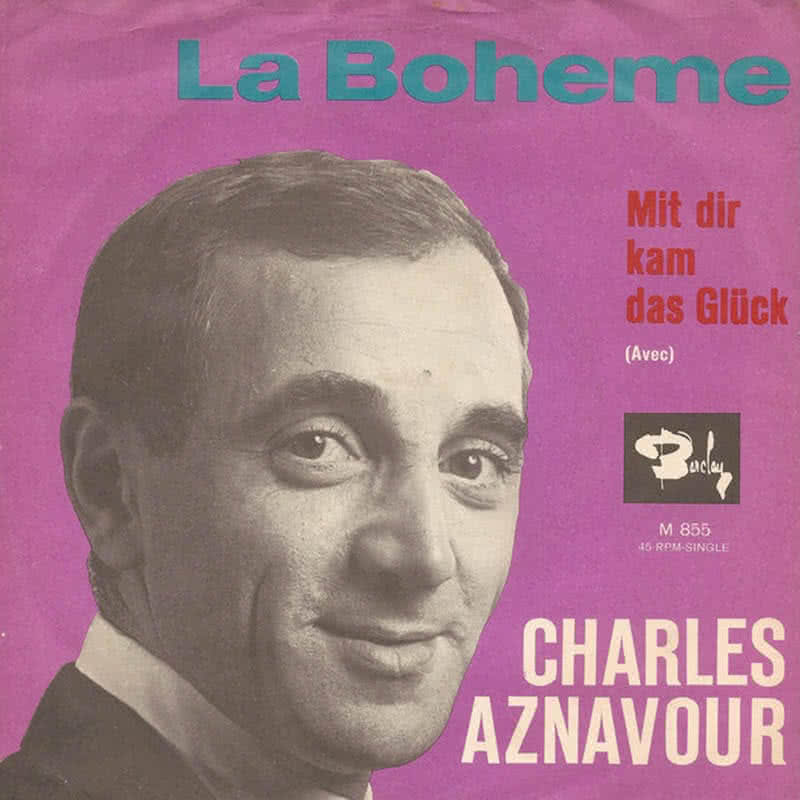
la bohème

The only song posted twice on my blog, my previous post is here (this version is performed when Charles was still young, a much higher tempo). I’d listened to both the vocal & instrumental versions of this song long before, but didn’t recognize that they are actually one same song. Just by a sudden special chance in Dalat made me realise that it is Paul Mauriat who was covering Charles Aznavour.

La Bohème - Charles Aznavour 
La Bohème - Paul Mauriat 

Charles Aznavour is a very big name in American & French music, but much more popular in his French audience. Till now, he still go to stage and have many performance at the age of 83, and still attract and seduce a lot of listeners. He is called by the title French Frank Sinatra, but to me Charles Aznavour is much more different however, Frank Sinatra didn’t wrote the song himself.

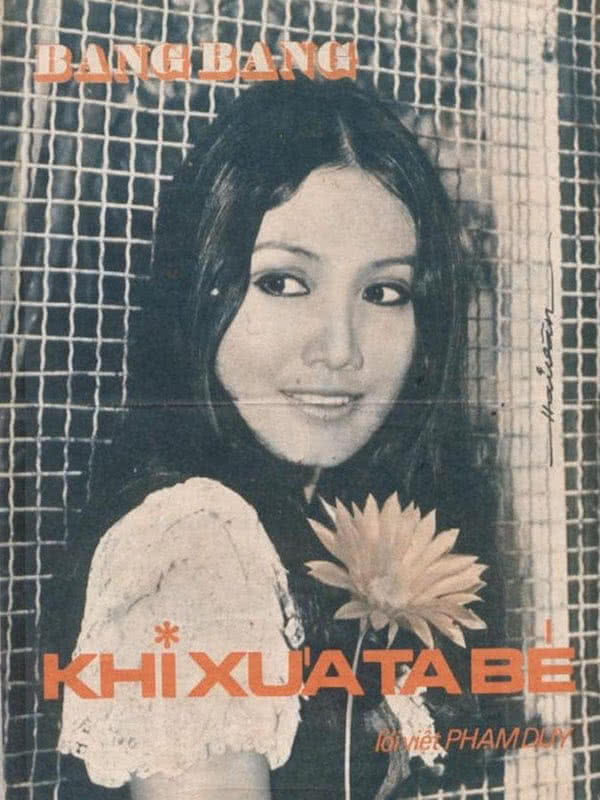
bang bang

Bang Bang (My baby shot me down) is quite a special song: written by Sonny Bono, performed by Cher (1966), covered by Nancy Sinatra (1967), and has been translated to various languages since then. Younger people would recognize the the music as main soundtrack in the film Kill Bill (2003).

Bang bang - Sheila 
Khi xưa ta bé - Mỹ Tâm 
My baby shot me down - Nancy Sinatra 

I actually did thought it was a French song, until I listened to the gentle My baby shot me down, the original soundtrack is really simple, and moving, compared the glamourous French version.

gió mùa xuân tới

Thời tiết càng năm càng lạ, mới giữa tháng 11 mà Sài Gòn đã có những sáng se se lạnh, còn Hà Nội đã phải mặc áo ấm. Sáng sáng ra đường có cảm giác như mùa xuân sắp về, phóng xe ào ào trên đường, tưởng đâu đây có mùi nhang khói. Trong lòng không khỏi có chút sảng khoái, nôn nao như lúc giao mùa. Ở mãi cái xứ phương Nam bốn mùa chẳng mấy khác biệt này, giao mùa là một đặc ân mà không phải lúc nào cũng cảm nhận được. Không gian, thời gian, tất cả bối cảnh xung quanh như nhắc thầm: hãy để những đổi thay nho nhỏ len vào tâm hồn, hãy cố cảm nhận chúng, tích cóp chúng, để tự làm mới mình trong mọi điều nhỏ nhoi như thế!

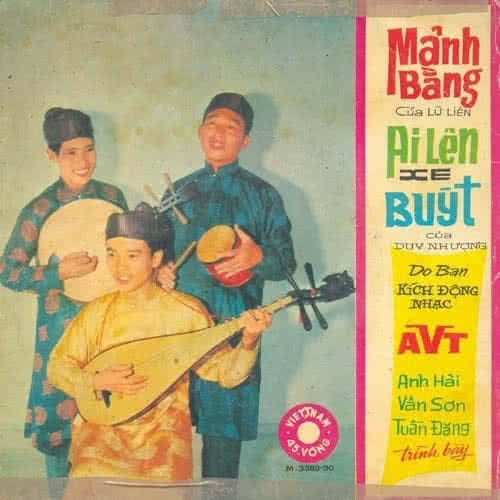
avt chúc xuân

Sau đây là tiết mục chúc xuân của ban AVT tái lập tại hải ngoại. Thành phần cũ của ban chỉ còn duy nhất nhạc sĩ Lữ Liên, bổ sung thêm hai thành viên mới Trường Huy & Hoàng Long nhưng vẫn giữ cái tên AVT cũ. Hai thành viên cũ ở lại VN sau 75: Tuấn Đăng thì biệt tích, còn Vân Sơn nhảy xuống kênh Thị Nghè tự tử, nghệ sĩ hài kịch không chịu đựng nổi những bi kịch cuộc sống. Xin post ở đây tiết mục Chúc xuân, có thể xem video trên youtube hay nghe file âm thanh rời.

AVT Chúc xuân 
Lữ Liên, Trường Huy, Hoàng Long

Nghe AVT thích thú nhất là ở chỗ ban nhạc sử dụng nhuần nhuyễn các làn điệu dân ca Bắc và Trung bộ (tuy vậy lại không có dân ca Nam bộ), diễn tấu thành thục các nhạc cụ dân tộc (đàn nhị, tỳ bà, đàn đoản…), cũng như sự kết hợp phong phú giữa nói, nói lối, ngâm thơ và hát… Ba người trên sân khấu thường giả giọng nói của ba miền Bắc, Trung, Nam, rất giống, rất thật, lại là loại giọng cũ chỉ còn nghe thấy được ở lớp người già cả.

Bản Chúc xuân này là bài bản cũ, có customize lại chút xíu, tuy vậy chẳng mấy chốc cũng đã lạc hậu so với cuộc sống nơi trời Tây, may ra đem về VN thì vẫn còn nhiều giá trị. Mới tháng 10 nhưng nghe AVT xong cảm giác như Tết sắp đến: năm mới, cuộc đời phây phây, năm mới gặp thời gặp may, năm mới bạc triệu tới tay, năm mới không phải kéo cày, năm mới cuộc đời lên hương, năm mới tràn đầy yêu thương, năm mới thần tài giúp ta, năm mới năm đẹp Thái Hòa…

khát vọng

渴望

悠悠岁月欲说当
年好困惑亦真亦
幻难取舍悲欢离
合都曾经有过这
样执着究竟为什
么漫漫人生路上
下求索心中渴望
真诚的生活谁能
告诉我是对还是
错问询南来北往
的客恩怨忘却留
下真情从头说相
伴人间万家灯火
故事未来共斟酌

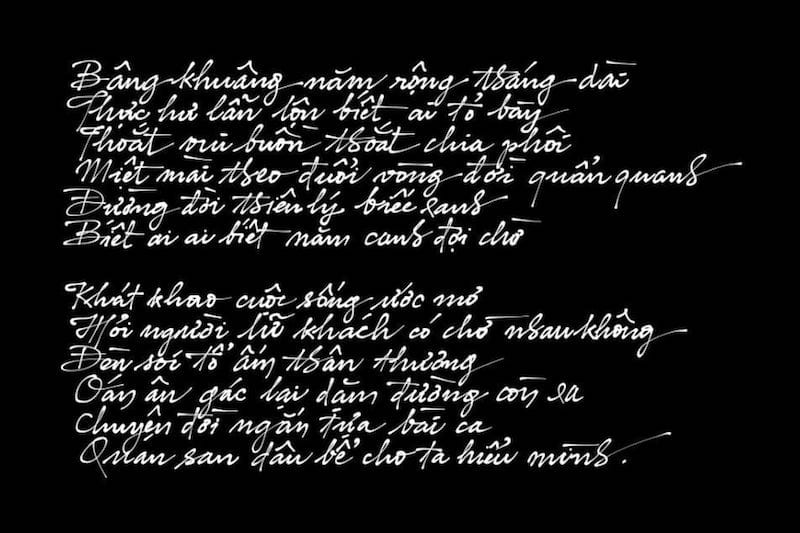
Khát vọng: những ai thuộc thế hệ 7x có thể sẽ nhớ phim này, chiếu trên truyền hình VN đầu những năm 90. Không nằm trong số những phim TQ thành công nhất, nhưng 50 tập phim mang lại những tình tiết cảm động của những cảnh đời thời cách mạng văn hoá. Dù ở TQ hay VN, dù ít hay nhiều, chúng ta đã sống qua những tháng ngày như thế, những đày đoạ và thăng trầm, những điên rồ của lịch sử, và những hậu quả dai dẳng của nó… hãy nhớ để đừng bao giờ quên chúng! Cố sự bất đa, uyển như bình thường nhất đoạn ca: chuyện cũ chẳng nhiều, cũng bình thường như một khúc ca… Đã trải qua rồi, phải như thế nào đó mới nói được một lời như thế! Truyền hình VN thực hiện việc thuyết minh đã chuyển ngữ lời nhạc thành một đoản khúc thơ lục bát thật khó quên: