quy khứ lai, 1

爱与恨的边际聚与散的别离
问你为何会在意 直到现在还惦记
归去你还在我依赖身分开心回来
记得这份爱我们明白 这就是爱

每当感觉自己受了伤
不辞而别逃去了远方
躲多久走多远算疗伤
不如回到相爱的地方

没有告别静默的离场
房间冰冷不再有暖阳
多想留住你我的时光
念念不忘等待爱回响



Mới nghe tựa đề (tiếng Trung) của phim là đã biết được mượn trong bài “Quy khứ lai từ” của Đào Tiềm đời Đông Tấn: 歸去來兮,田園將蕪,胡不歸! 既自以心為形役,奚惆悵而獨悲? – Quy khứ lai hề, điền viên tương vu, hồ bất quy! Ký tự dĩ tâm vi hình dịch, hề trù trướng nhi độc bi? – Về đi nào, về đi nào! Ruộng vườn bỏ rậm làm sao không về? Tâm để thân dễ bề sai khiến, Sao lại còn quyến luyến thương đau? Phải nói rằng tôi rất ít khi xem phim truyền hình, cảm thấy đa phần đều quá dài dòng và nhàm chán, lại càng không thích các thể loại có xu hướng “ngôn tình” và “đam mỹ”, viển vông không thực. Nhưng Quy khứ lai này là ngoại lệ, nó đề cập đến cuộc sống đầy thực tế, và đồng thời cũng rất thơ mộng!

念念不忘 - Niệm niệm bất vong 

Cái tựa đề tiếng Anh của phim “The way we were” có vẻ như lại phản ánh tốt hơn nội dung phim, trong cái nhìn của các du học sinh, về những khác biệt văn hoá của người Trung Quốc và người Mỹ, giữa Đông và Tây, cách mọi người hành xử, cách các hệ thống tổ chức, xã hội khác nhau vận hành, tất cả đều được biểu hiện rất rõ qua các tập phim. Dĩ nhiên phải xem qua vài tập đầu trong số 50 tập mới bắt đầu hiểu rõ, câu chuyện chủ yếu xoay quanh một nhóm các thanh niên trẻ tuổi du học ở Mỹ, và cái tâm sự “quy khứ lai – về hay ở lại” sẽ theo họ suốt một thời gian dài, từ những năm đi học đến khi ra trường, đi làm, cho tới khi bắt đầu định cư, lập nghiệp, cái câu hỏi “về hay ở lại” sẽ vẫn còn trở đi trở lại.

Nhưng đó vẫn là những điều chưa tới, đầu phim lấy bối cảnh tại Đại học Thanh Hoa, Bắc Kinh, hai nhân vật Ninh Minh và Mậu Doanh học chung một lớp, những giây phút của tình yêu tuổi trẻ, lãng mạn đầy nhiệt huyết. Một tình yêu đơn phương của chàng trai nhà nghèo Ninh Minh với cô gái cực kỳ xinh đẹp Mậu Doanh, một tiểu thư con nhà “đại tư sản”, người thừa kế của một tập đoàn kinh doanh lớn. Với cô ấy, hiển nhiên cuộc sống phía trước dường như đã được trải sẵn thảm đỏ, với tất cả những điều tốt đẹp nhất đang chờ đợi. Cô gái đã có bạn trai, một “người yêu lý tưởng”, Thư Triệt, đang theo học ở Mỹ, mặc cho một hàng dài những người theo đuổi cuồng nhiệt trong thời gian tại Thanh Hoa.

Còn chàng trai, có vẻ như chỉ là một người rất bình thường, con một nhà lao động nghèo, tiền đồ hãy còn rất mờ mịt. Sự tự ti về điều kiện xuất thân, về địa vị xã hội của Ninh Minh sẽ còn đi theo anh ta suốt nhiều năm dài, khiến cho anh ta thường xuyên cảm thấy mình không xứng đáng, mình không đủ khả năng đem lại hạnh phúc cho cô gái, và do đó chưa bao giờ dám thổ lộ tình cảm của mình. Một tình yêu câm lặng kéo dài suốt 4 năm Đại học sẽ có thể thừa đủ để làm nội dung cho một phim khác, nhưng với phim này, đó chỉ mới là màn khởi đầu. Một khởi đầu ngắn ngủi, một ký ức rất đẹp nhưng cũng chỉ thoáng qua, cũng như chặng đường cuộc sống đầy chông gai, sóng gió hãy còn rất dài ở phía trước!

Xem tập đầu phim, tôi như thấy lại những tháng năm tuổi trẻ của mình, thấy lại những người bạn của chính mình trong đó! Tuổi trẻ của tôi có đầy đủ tất cả những điều đó, những mối tình thầm lặng kéo dài suốt 4 năm đại học, những theo đuổi điên cuồng sẽ còn tiếp tục suốt mười năm tiếp theo, cho đến những năm khoảng trước sau 30 tuổi. Những tình cảm không tên, không thổ lộ, cũng dự đoán là không có một kết cục tốt đẹp rõ ràng nào, những điều mà trong tâm hồn của những thanh niên, thanh nữ chưa đầy 20 tuổi đó, chỉ là những điều tự nó sinh ra, tự nó tồn tại, một tình yêu không cần sự hồi đáp, những trăn trở, khát vọng chúng ta có chỉ để khiến chúng ta trở nên trưởng thành hơn, hoàn thiện hơn.

Nhưng trước hết, cần phải “phê bình” phim một tí. Đầu tiên là tôi không thích những phim truyền hình quá dài, và cách làm phim cũng khá “công nghiệp”. Có vẻ như các tập phim được phân chia cho nhiều đạo diễn khác nhau, mỗi người làm một đoạn, khiến cho việc xây dựng hình tượng, cá tính nhân vật đôi khi có phần thiếu nhất quán. Thứ đến nữa là những kiểu tuyên truyền chính trị, văn hoá “đại Trung Hoa” cũng có, dù không nhiều lắm. Đáng chán nhất vẫn là phim kéo dài lê thê, rất nhiều đoạn chi li quá mức cần thiết, rất dể gây nhàm ra chán. Cách xây dựng cá tính nhân vật, lời thoại trong phim đôi khi có phần “công thức”, nhưng đôi khi cũng rất thông minh, sâu sắc, gây bất ngờ cho người xem!
lồng tiếng

Từ nhỏ đã “lập thệ”: cả đời không coi phim Hong Kong, Đài Loan, không coi “phim chưởng”. Nhưng cái “Anh hùng xạ điêu – 2003” này là do CCTV Bắc Kinh làm, không phải Hong Kong. Lời thoại kỹ càng, sâu sắc, tính cách nhân vật xây dựng công phu, đặc sắc, nhất là các vai Hoàng Dung và Hồng Thất Công, không có bừa bãi, hời hợt như kiểu phim Hong Kong.

Không nên xem phim lồng tiếng, nên xem phụ đề, vốn dĩ đám người Việt gốc Hoa thường lồng tiếng cho “phim chưởng” đó thực ra chẳng hiểu mấy về văn hoá Trung Quốc, “cổ văn” đọc ko thông, dịch 10 sai đến 8, 9 phần, lao nhao như 1 đám “chợ búa”, mất cả hứng thú, chẳng ích lợi gì! Xét về ngôn ngữ, văn hoá, phương Bắc vẫn luôn cao hơn phương Nam 1 bậc vậy!

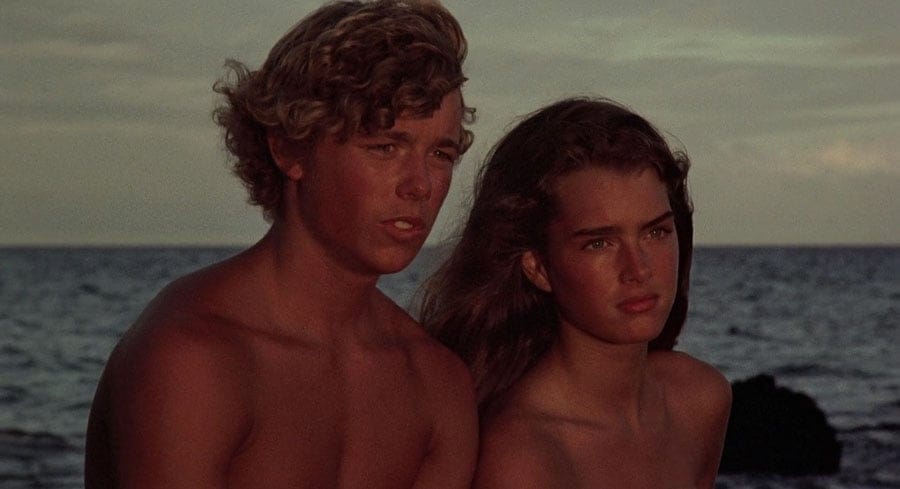
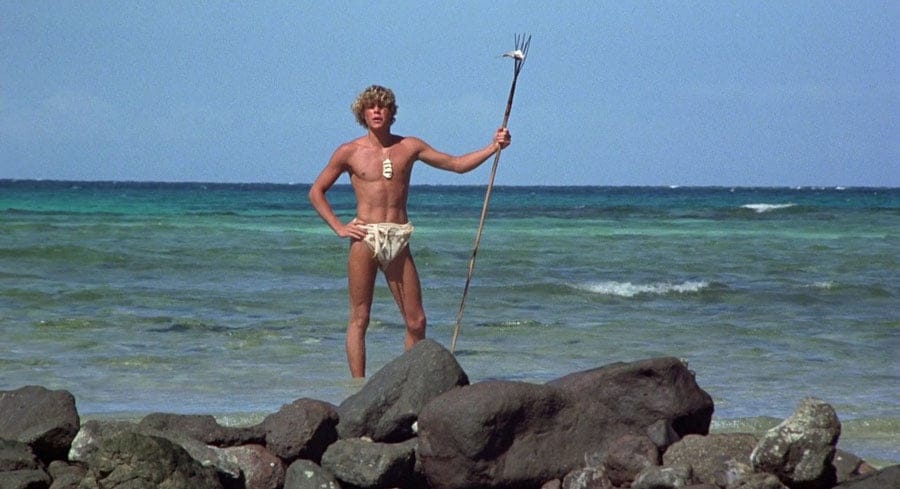
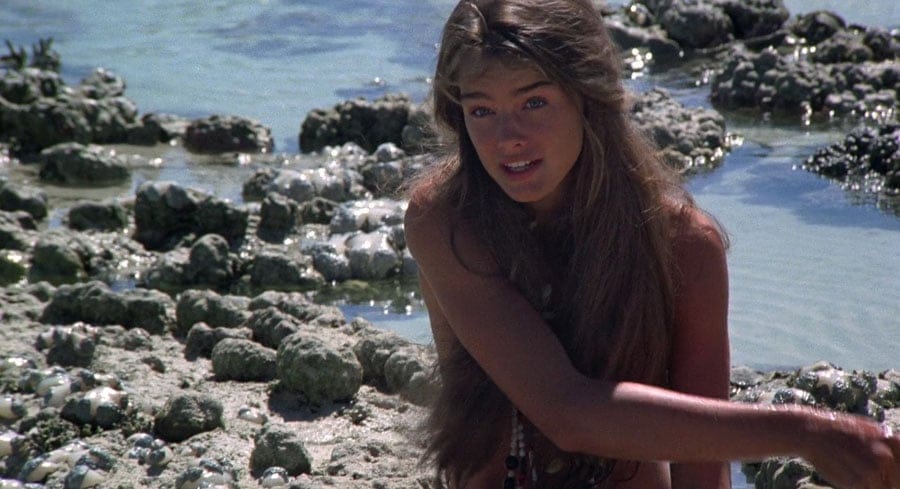
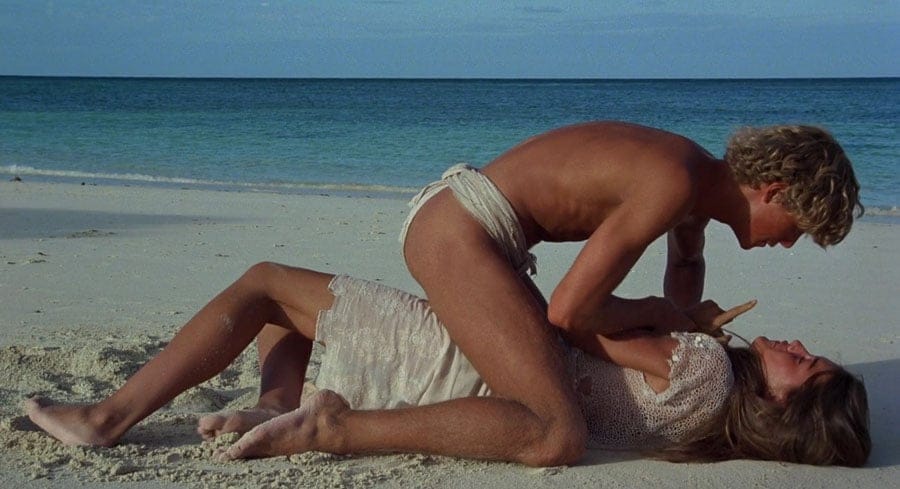
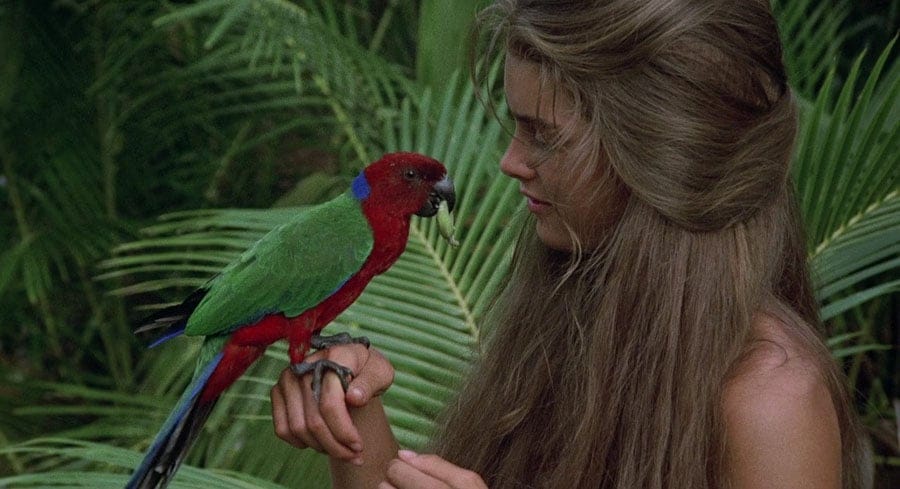
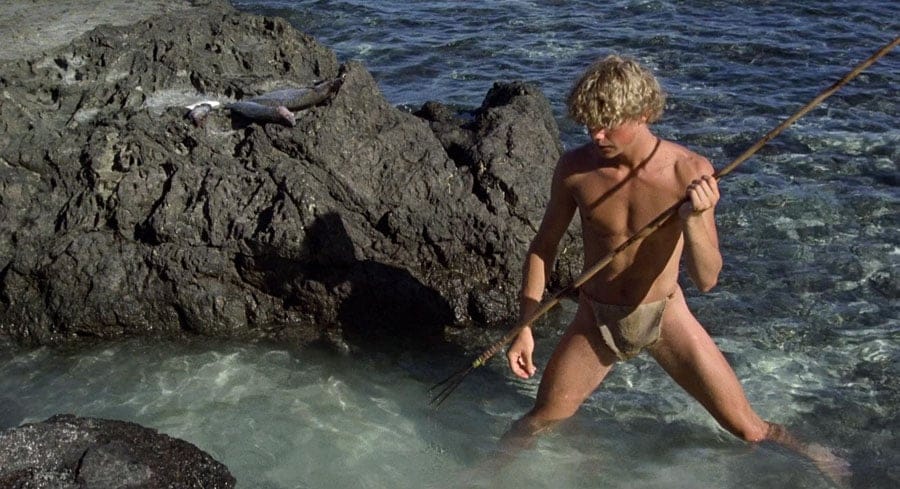
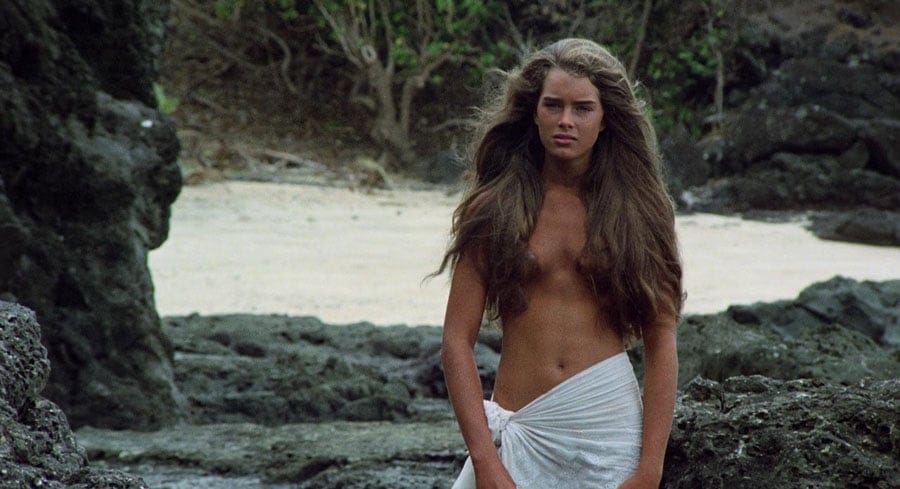
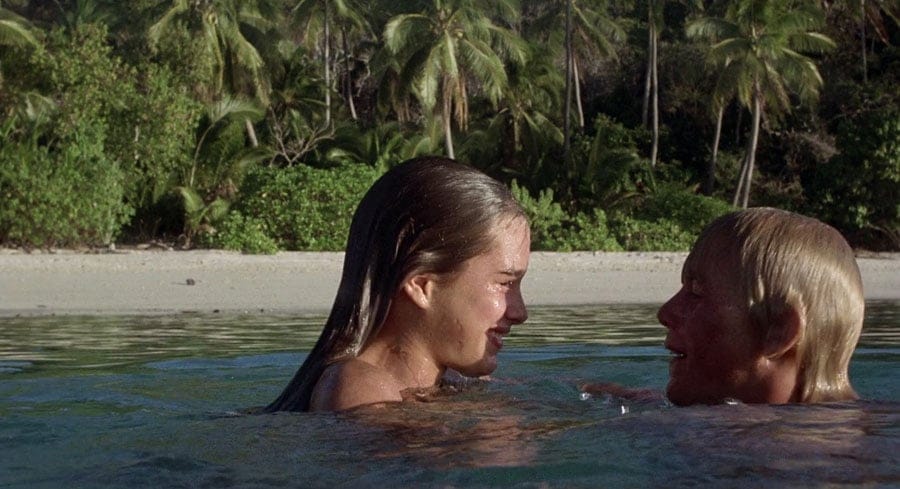
the blue lagoon

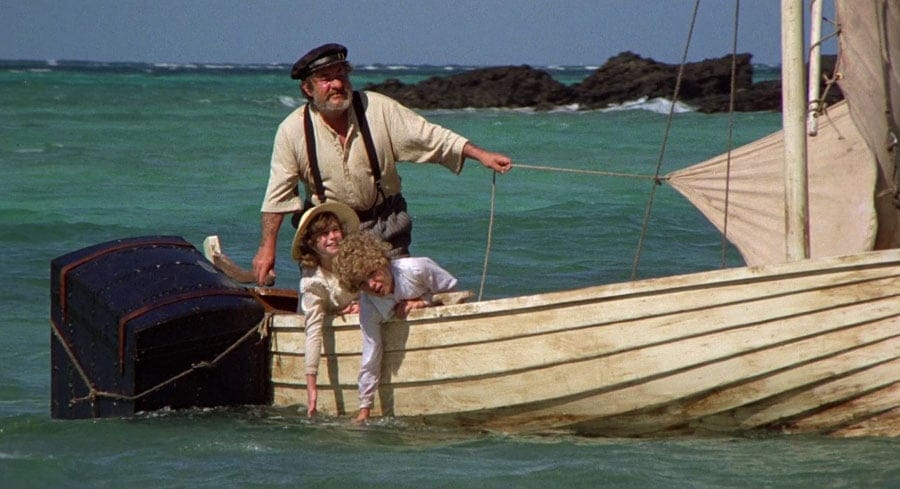
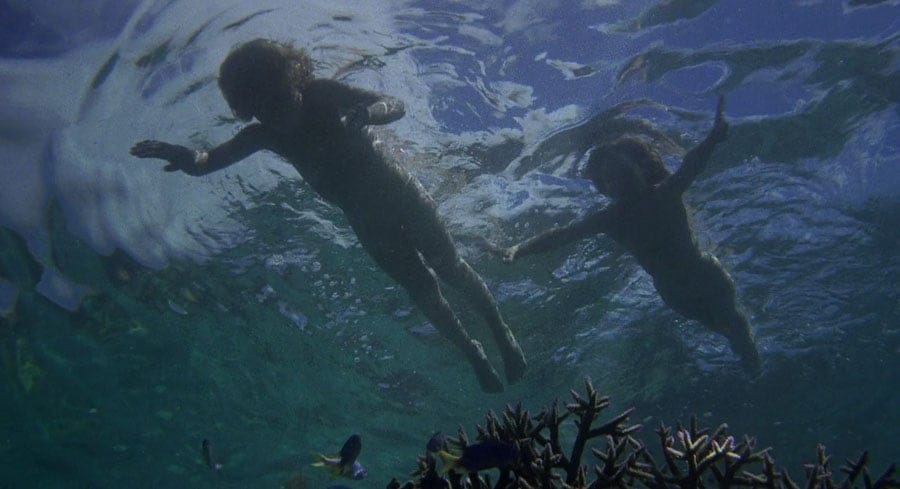
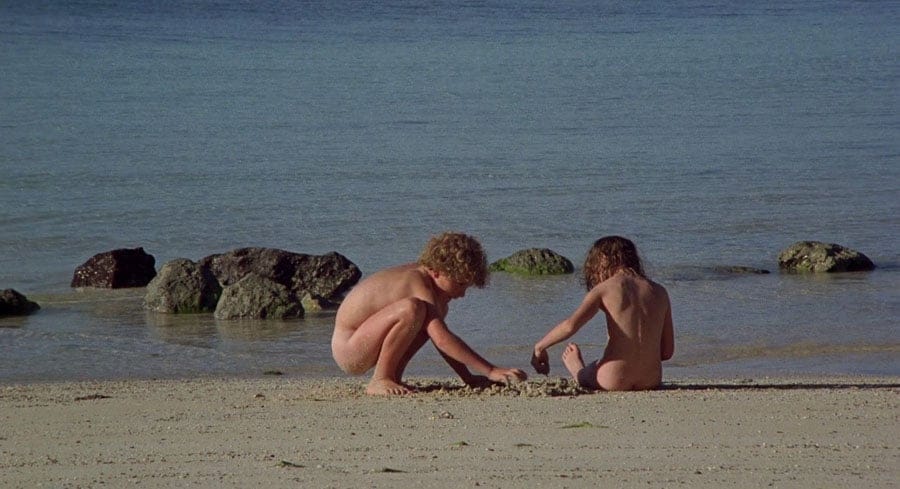
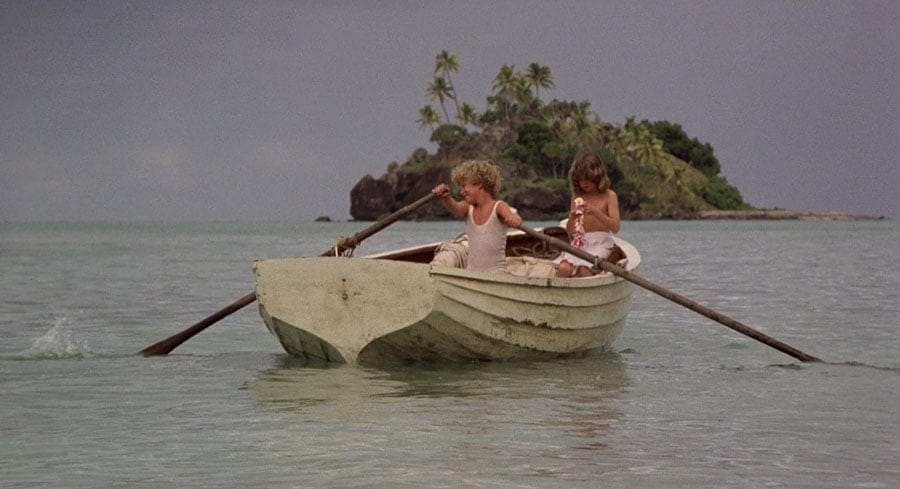
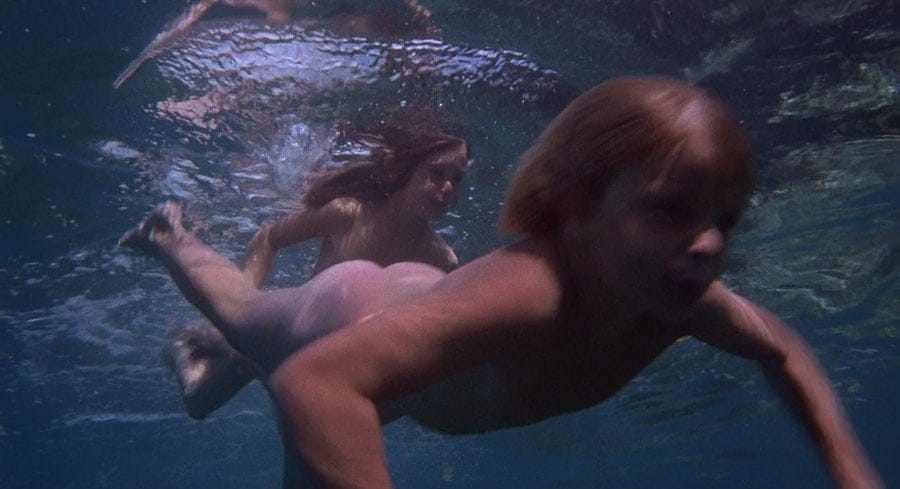
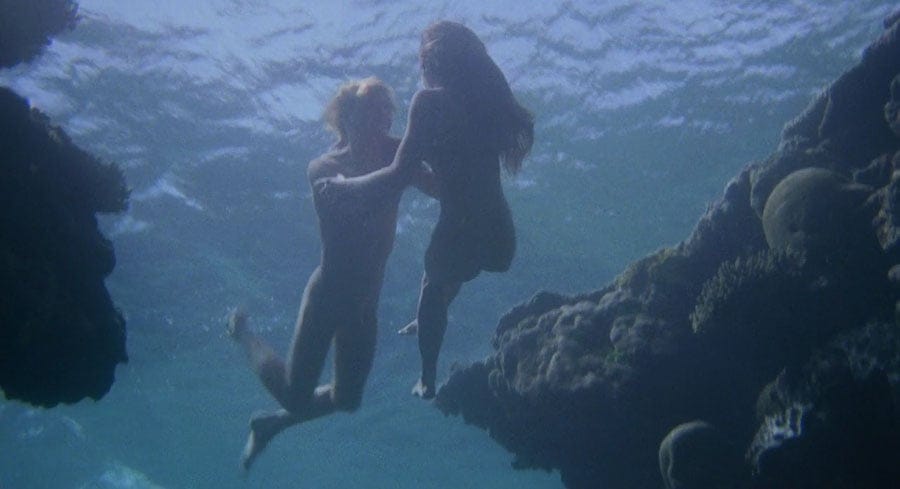
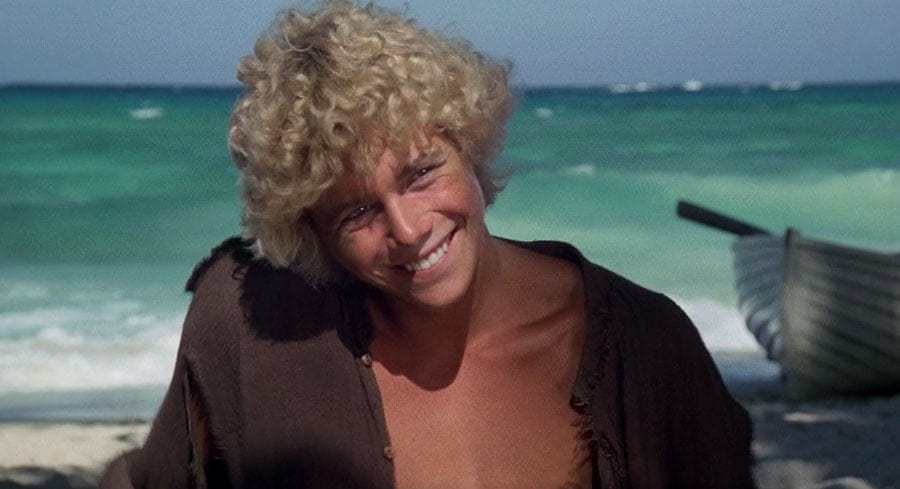
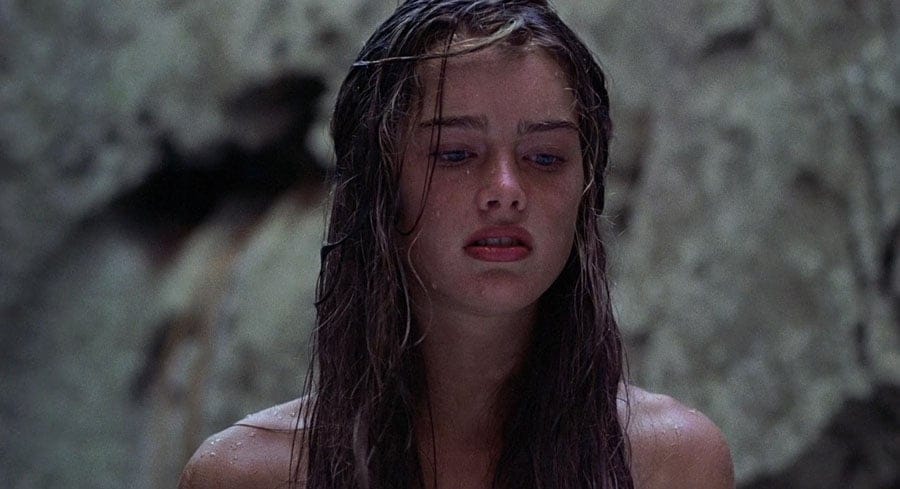
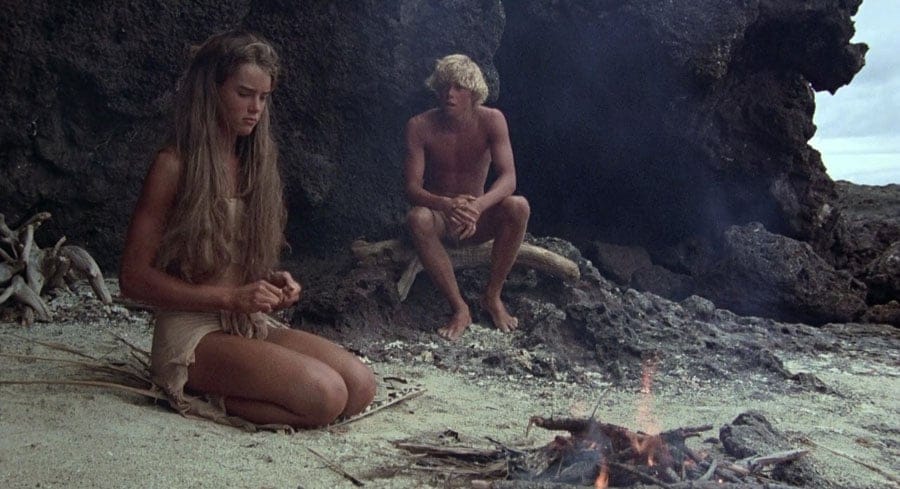
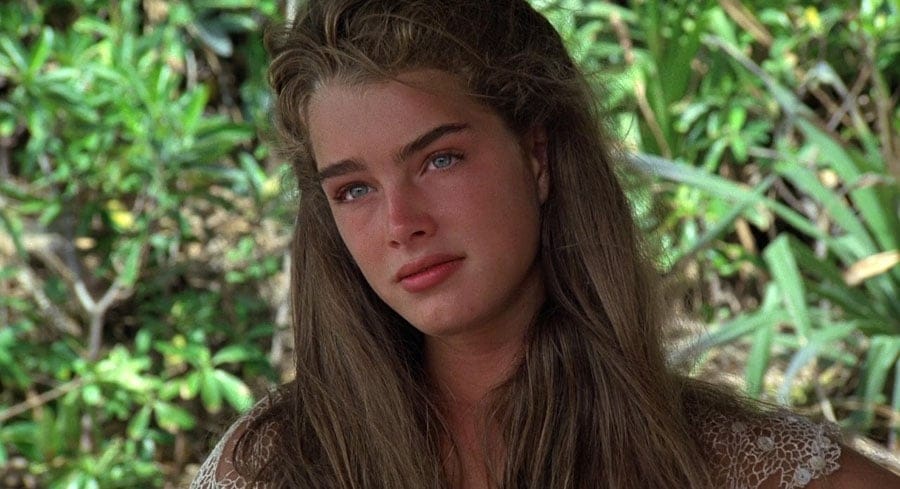
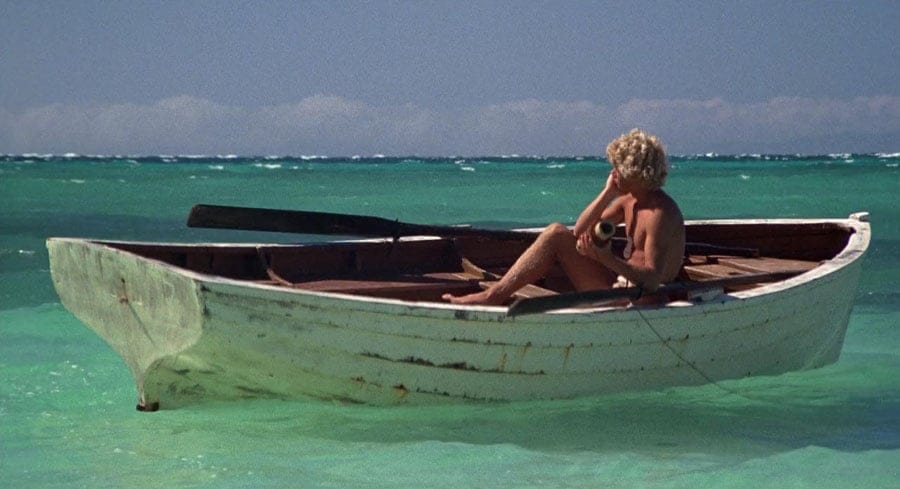
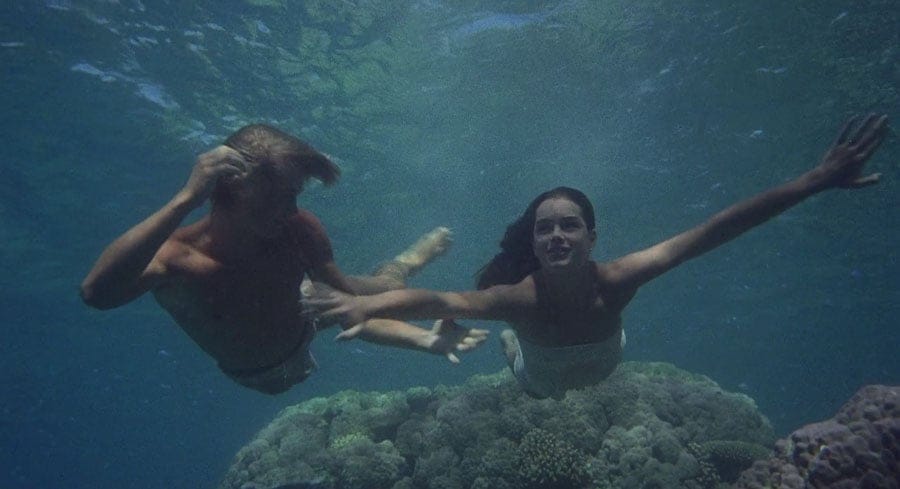
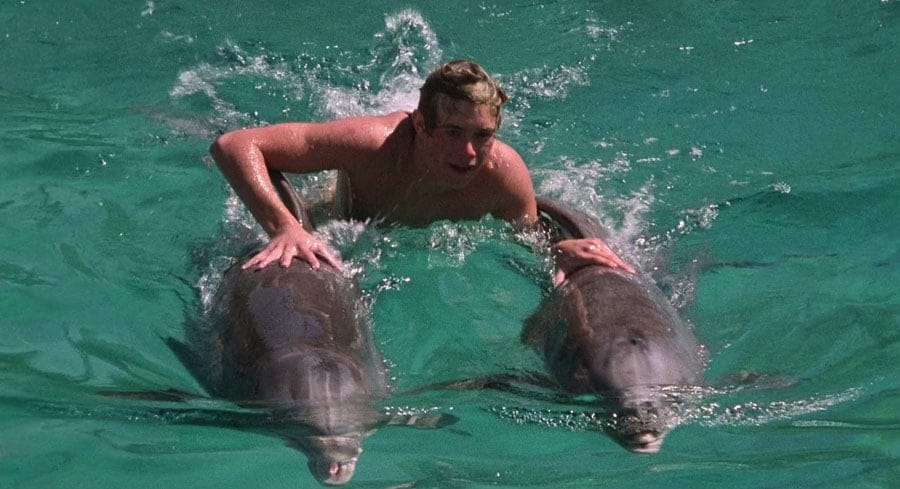
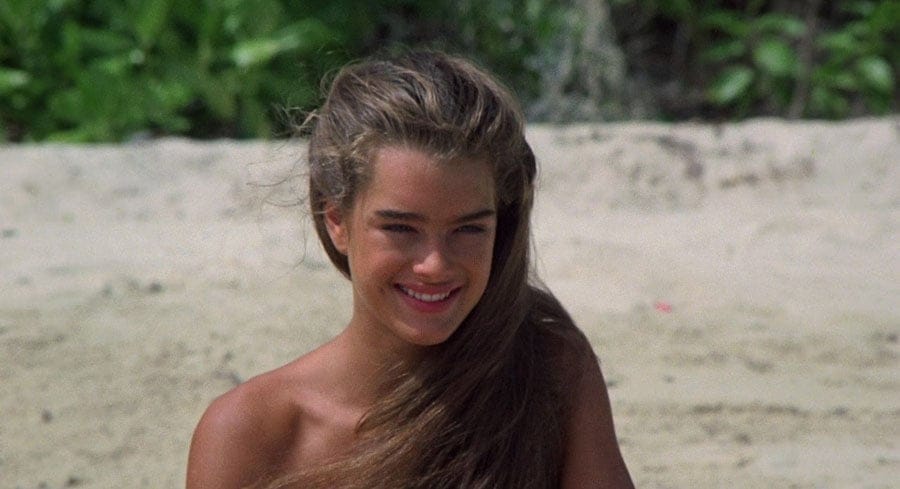
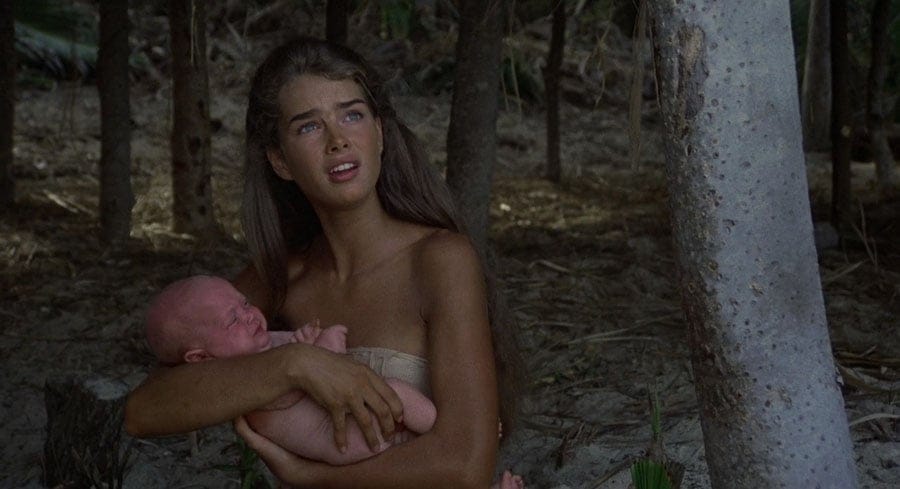
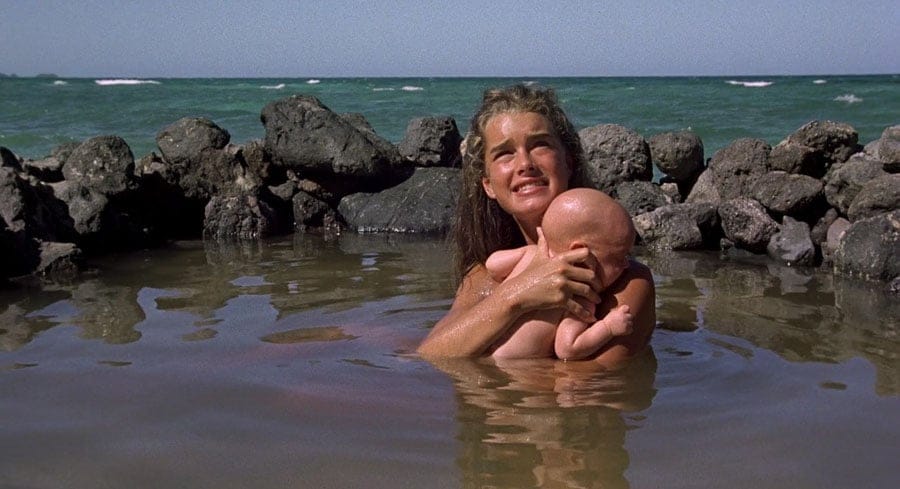
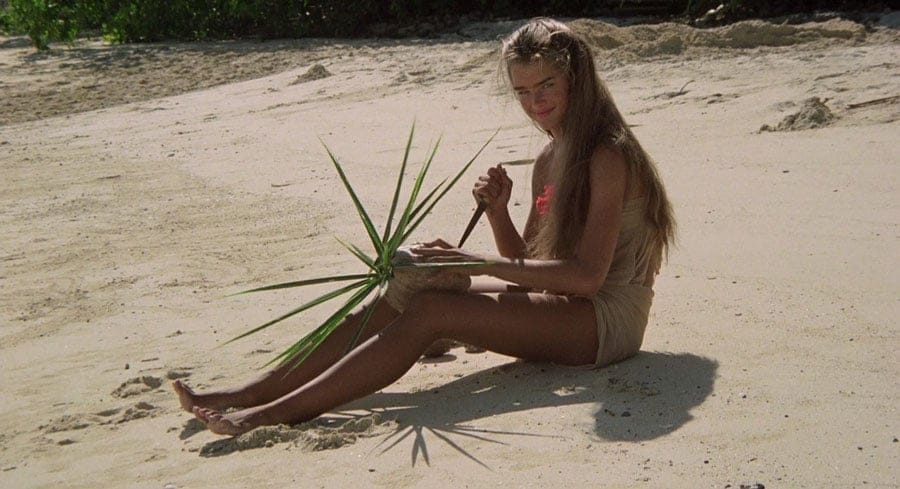
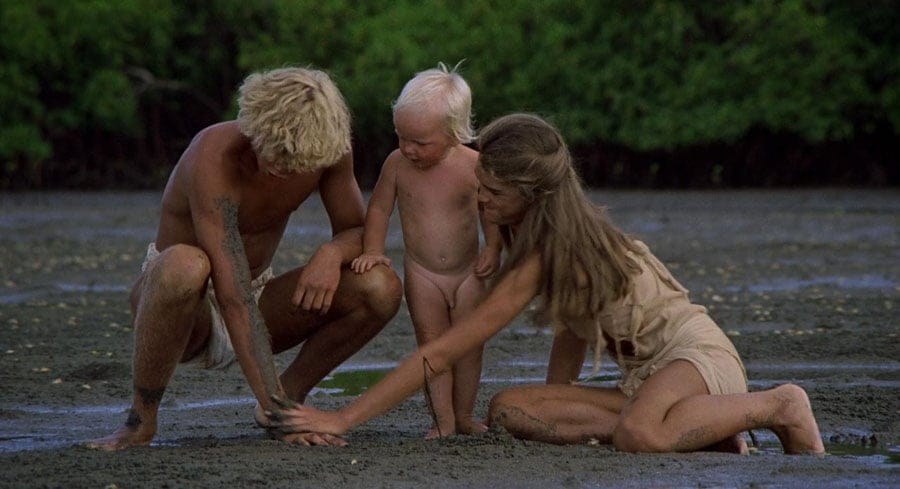
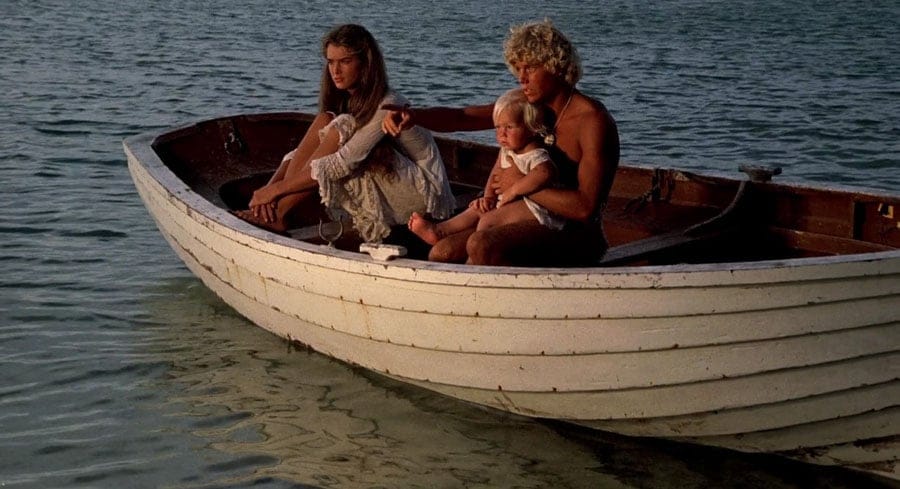
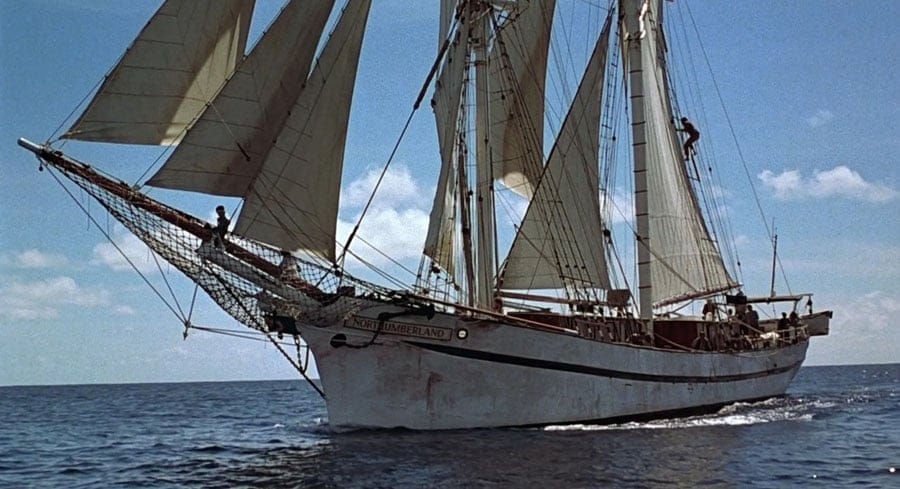
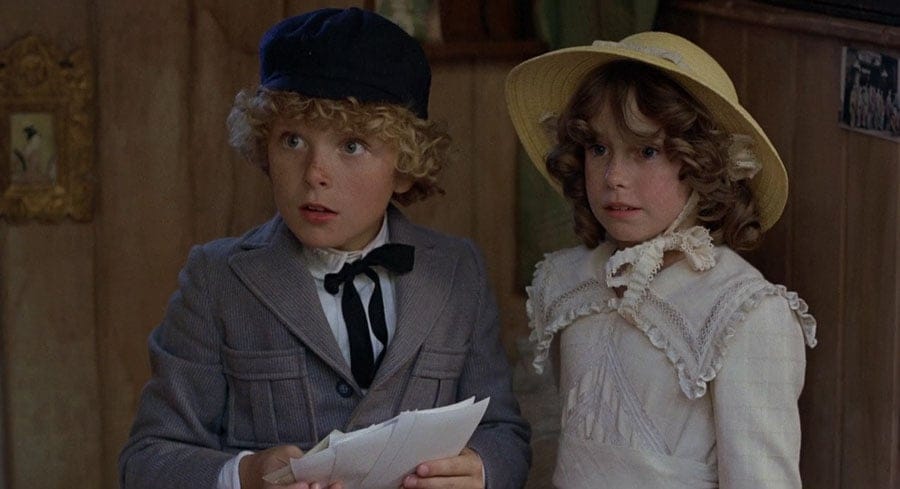
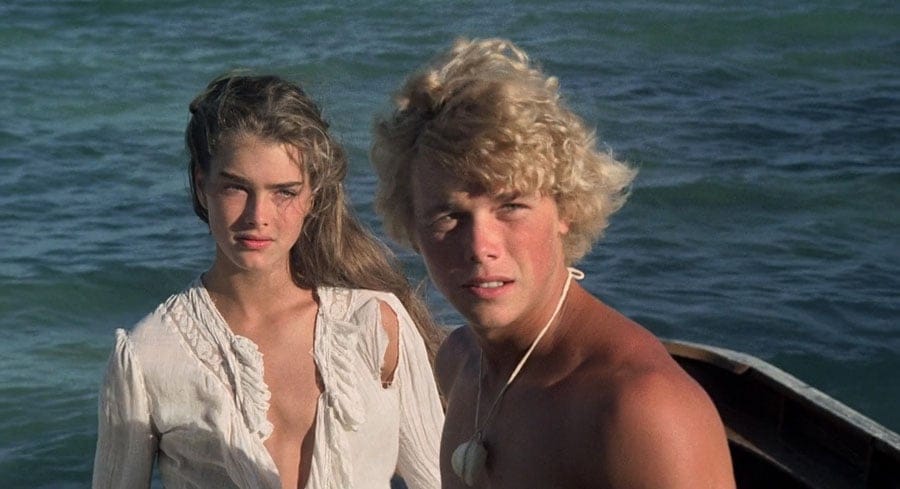
The 80s again, another film that I’d seen when I was a young boy, and liked it very much: The Blue Lagoon. Broadcasted on Vietnamese (analog) TV under the title: Eo biển xanh, the film was a strange phenomena, in an extremely closed and strictly censored environment as Vietnam as of the 80s. It’s the 1980 adaptation from the book of the same name, there’re many other adaptations as well: 1923, 1949, 1991, 2012…

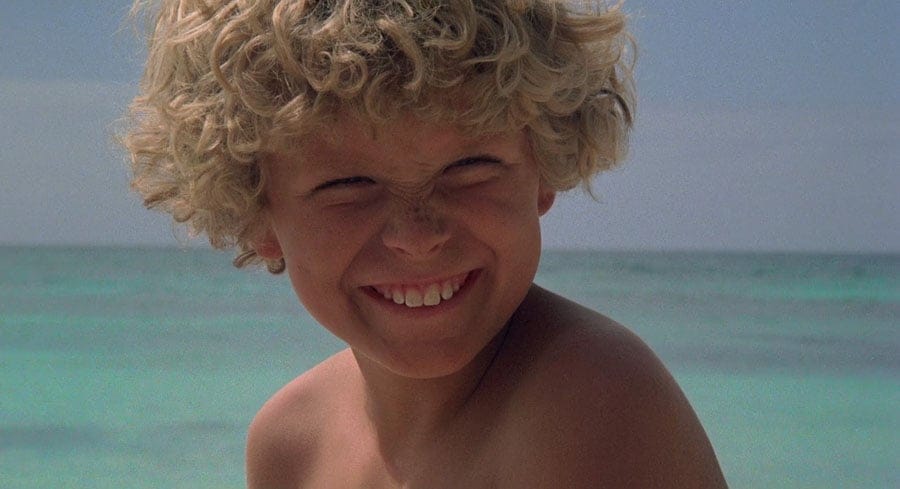
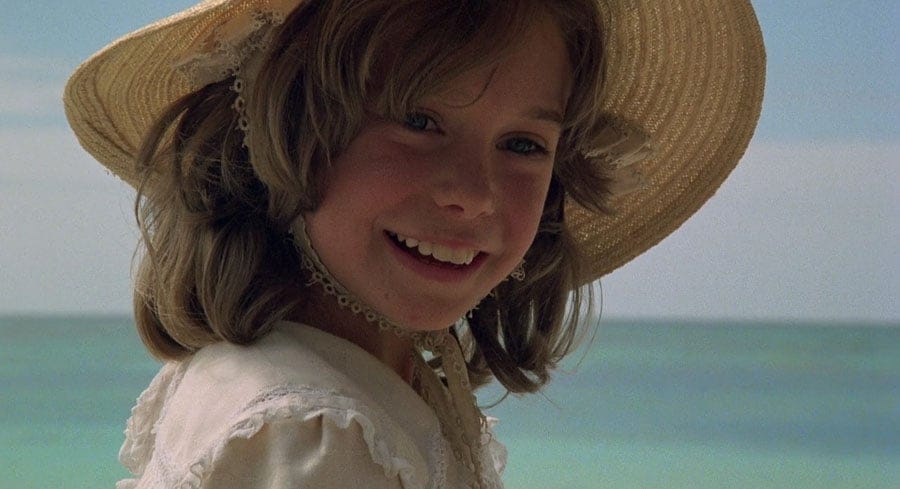
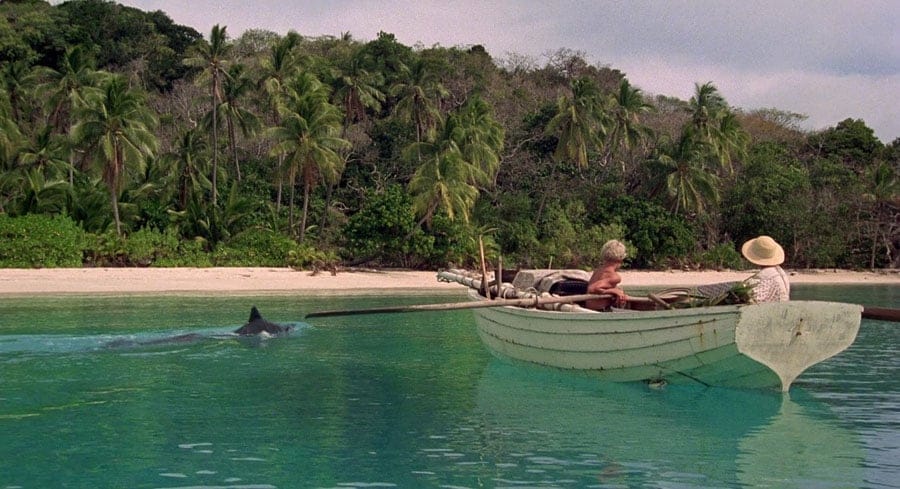
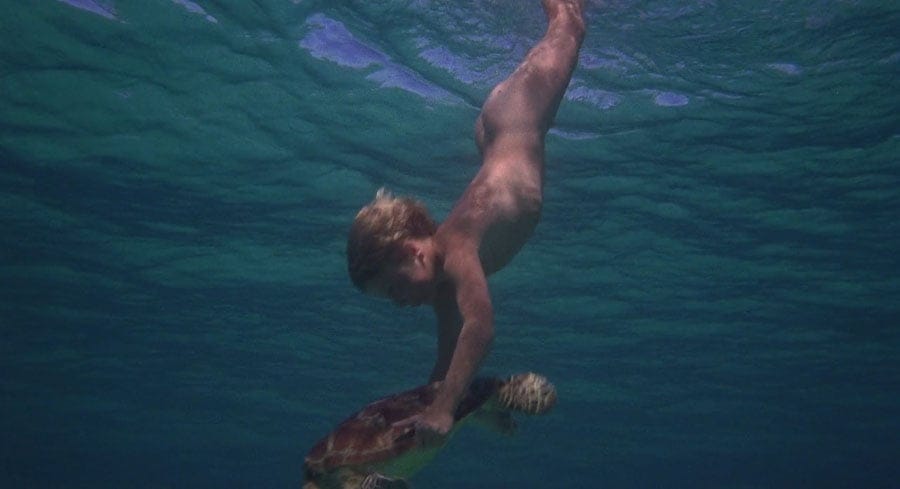
The Victorian era, two children shipwrecked alone on a tropical island. They thrive on the bounty of jungle and lagoon, the boy grows tall, the girl beautiful. When their love happens, it is as natural as the sea, and as powerful. Despite its extreme nudity, negative reviews, quite low rating etc… (which I only know by now), back then, I simply did (and still do) just love it! To know why, see the movie screenshots below!

all the rivers run

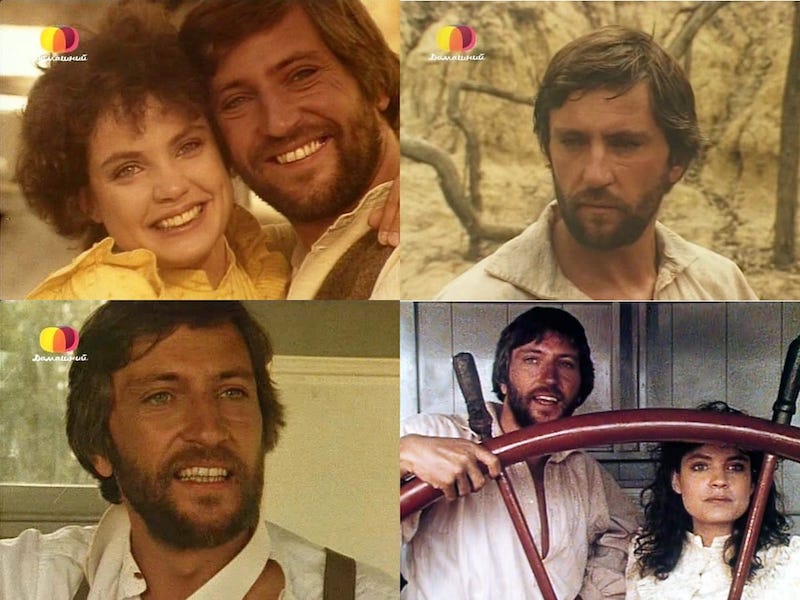
Anyone still remember this famous Australian television series (1983) ?! I can’t remember exactly when, but the series was broadcasted on Vietnam TV some time in the late 80s, under the title: Tất cả những dòng sông đều chảy. It created deep impressions in me, even though many years have passed, and now, I can’t really remember all film’s details, but the silhouette of the paddle steamer Philadelphia, the protagonist Philadelphia Gordon (Sigrid Thornton), after whom the boat is named, and captain Brenton Edwards (John Waters), their struggles for life and happiness… raised in me lots of inspirations about life on rivers (and life as rivers), with all its ups and downs, all its hardship and poetic moments. Look at the pictures below, how lovely is the couple at helm!
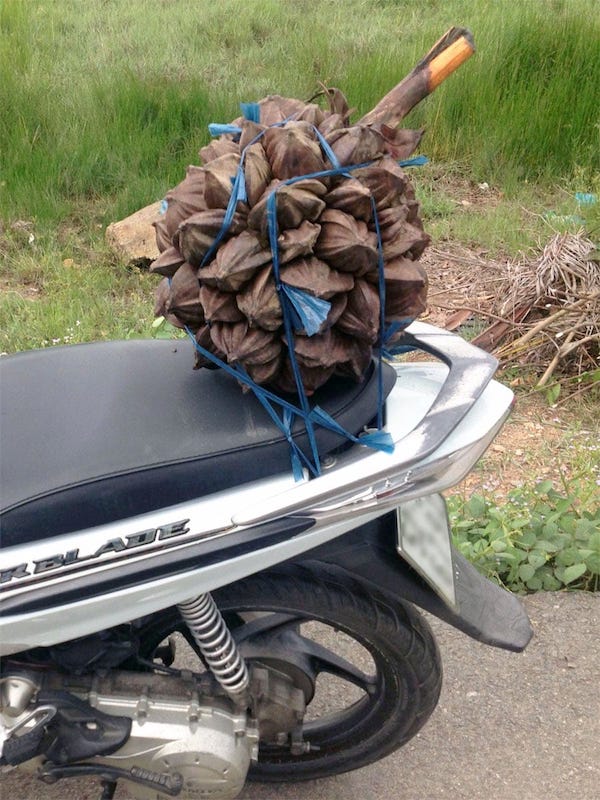
For today, I really like it after the rains, the water is so calm and warm, a curtain of light mist hangs across river and over mangrove swamp regions. Almost silence, only me, sound of the paddle and water drops. Some few times, ships’ horn breaks the “viscosity” of this vast, obscured space, reminds me that I’m not alone still in this all – calmly – moving world… A harvest along my paddling path, a cluster of fruits from the mangrove palm tree. Why do I have to buy it in the city while I can get one for free in wide wild nature!? Choose a ripe one, take some effort to cut it down while standing on my small floating kayak, carry home, crack open the fruits in halves, take the inside, add some little sugar and put into the fridge for an about hour, a good dessert indeed!
russian movies

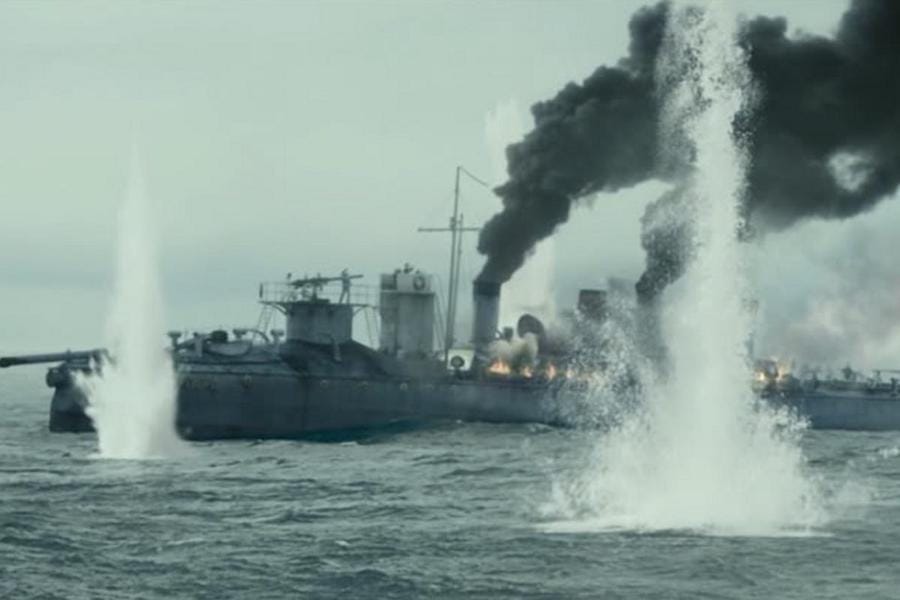
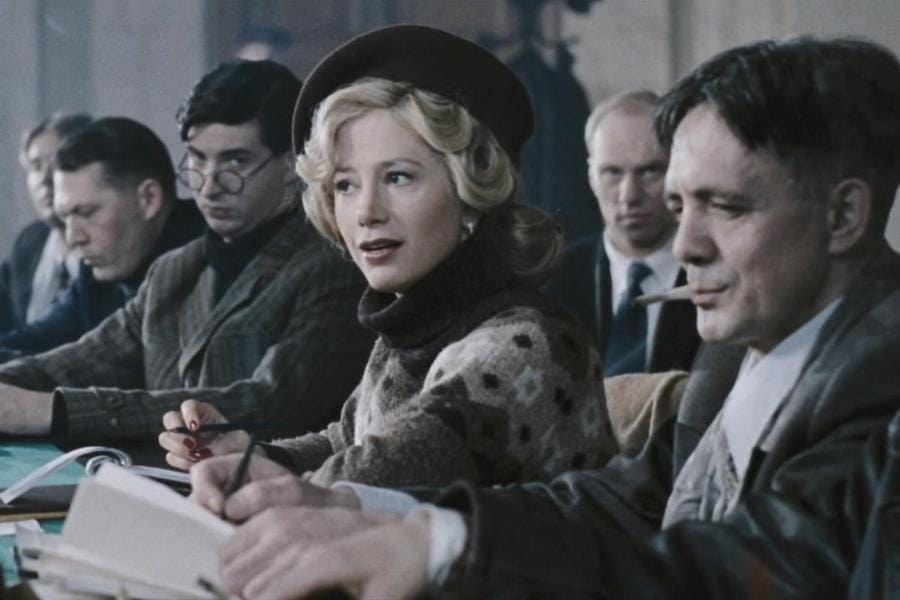
Some recently seen (in the past few weeks) post – Soviet Russian war movies: Admiral (2008), Attack on Leningrad (2009) and Brest Fortress (2010). I can’t say anything rather than: marvelous! Both these three films should be on top of greatest war films, in many aspects: acting, costume and makeup, sound & music… comparable to any other war films ever made in the West. CGI (Computer Generated Imagery) is really good but maybe still a bit after that of Hollywood.

Russian cinema has made excellent advances, less propagandic, less rigid patterns, closer to real people in real life… that the things that made the films worth watching! In my opinion, of the series of three, the later the more interesting ones (though others may have their own different idea and evaluation).

Admiral (2008)

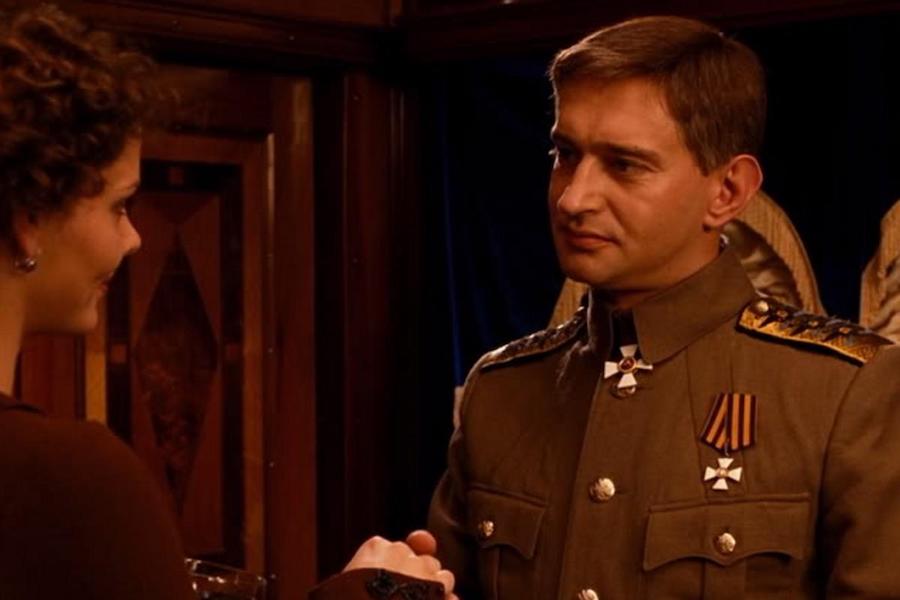
The films recites the life of Aleksandr Kolchak, admiral of the Russian Empire Navy. Kolchak himself was a complex character, living in a complex time: a famed Polar explorer, a valorous naval commander, a passionate lover, and eventually the Supreme Governor of the anti – communist White forces. No longer ruled by a dictatorial doctrine, Russia is now seeking to bring back true images of an extremely harsh period in her history.

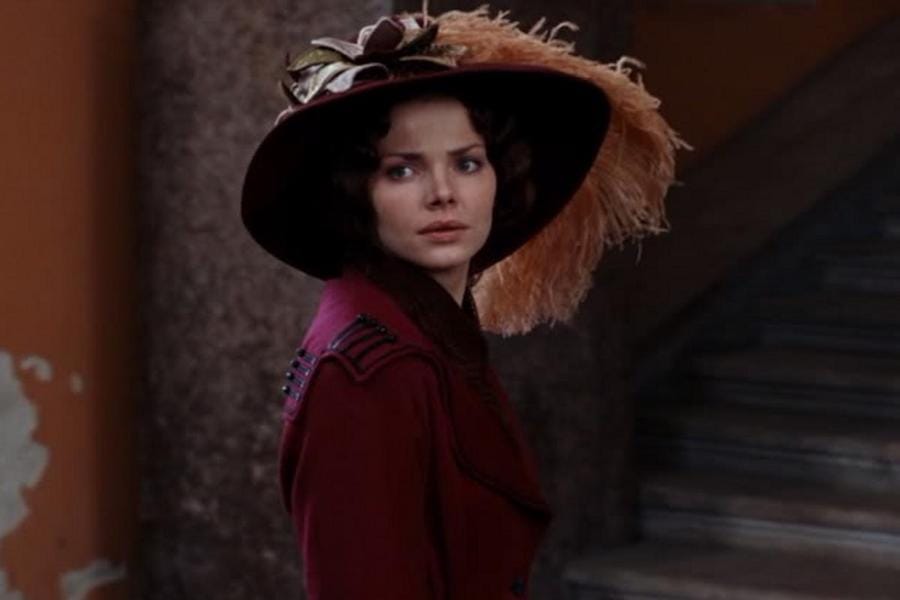
The film starts with glorious feats of Kolchak commanding a destroyer in the Navy, his bravery in battles, his love affair with Anna Timiryova… and then the Red October came. Kolchak becomes the Supreme Ruler of the White Russia, who fought against the Bolshevik. Kolchak has far less success as a political leader than as a naval commander, he was finally arrested and executed by the Red. After decades of being vilified by the Soviet government, Kolchak is still now a controversial figure though there’re been rehabilitation movements to restore the place he deserves in Russian history.


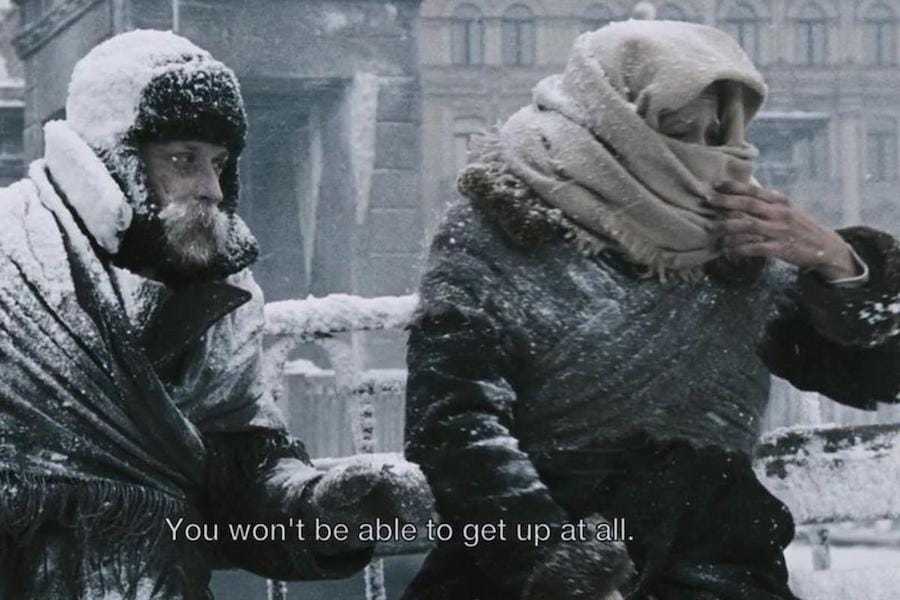
Attack on Leningrad (2009)

An English journalist (of Russian origin) was trapped in the besieged city of Leningrad, the war correspondent Kate Davis was assumed dead but find herself among the starving people of the city struggling for their own survival. With the help of a kind and idealistic police women Nina Tsvetnova, they live through the 900 days in that sieged hell where food shortage only permits a ration of 125 gram of bread for each person a day. Encirclement around the city was almost completed, the only supply route through lake Ladoga was called the Road of Life (and also the Road of Death).

Nina Tsvetnova later guides a soldier group attempting to re – establish the supply route across the frozen surface of the lake. As a reward, she is permitted to bring members of her family out of the city. Nina along with the journalist take one child out with them. They succeeded but decide to return to help another child. Both two women died in the terrible city but saved two children out of the 1.5 million civil death toll, half of the city’s population.


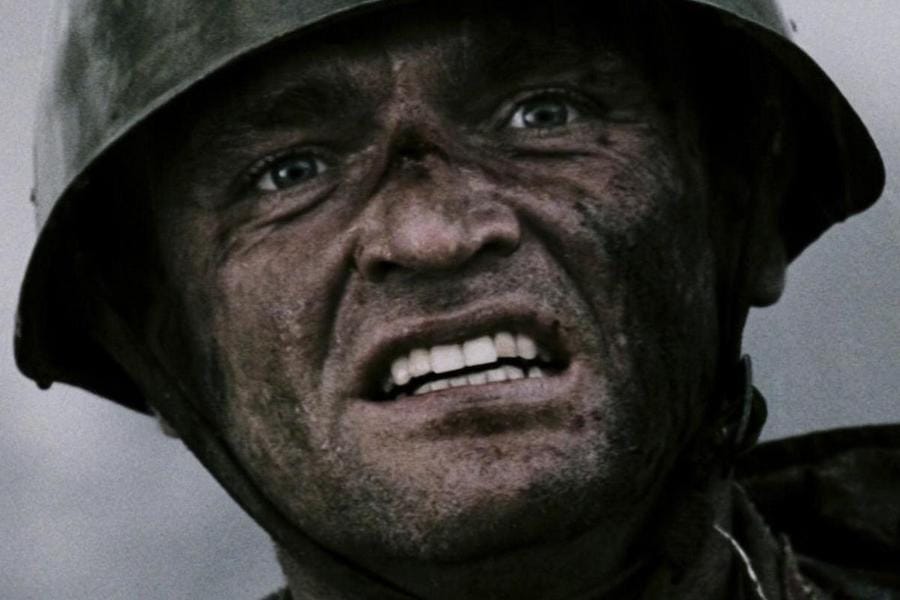
Brest Fortress (2010)

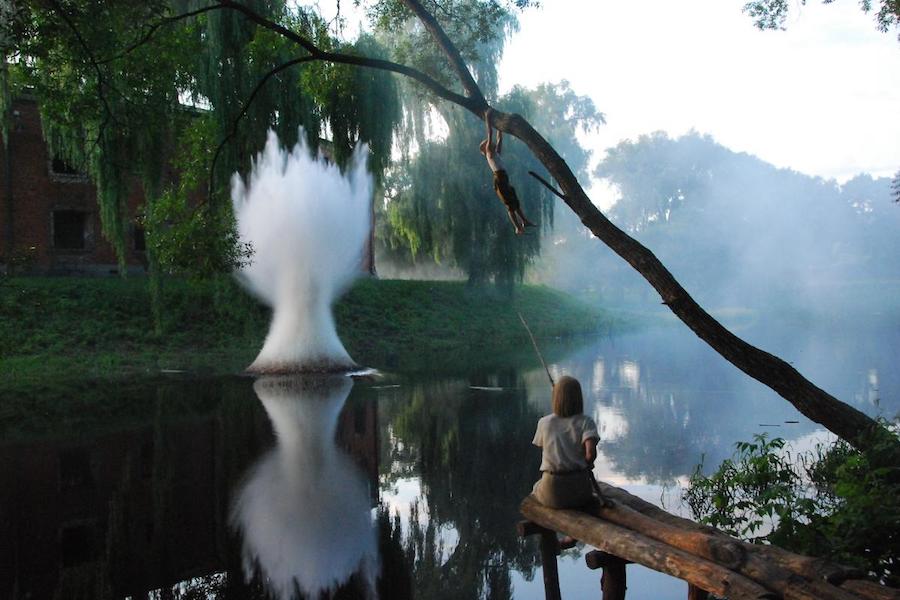
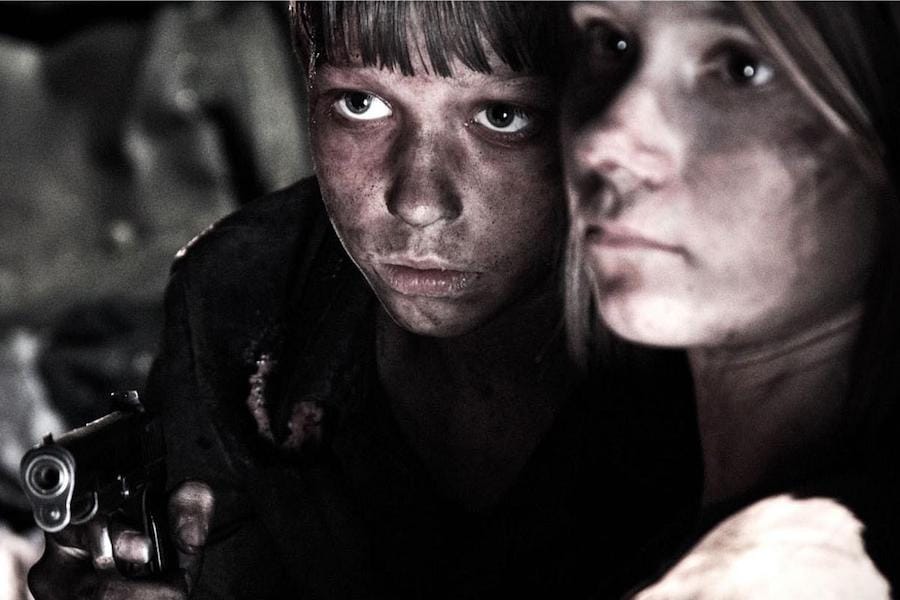
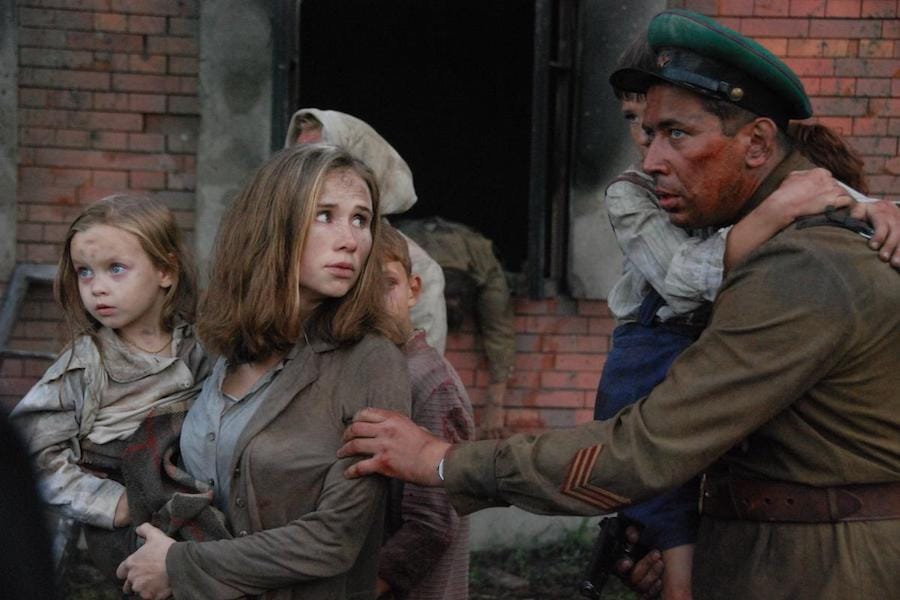
Brest fortress was the strong hold which accounts for 5% of total Germany losses in the first phase of their Russia invasion. When German started the war, the Russian was unprepared, under – powered and defeated easily, their army was in all the way to retreat, except for this fortress. Defensed by a small unit, a regiment formation of soldiers along with their families, the fortress stands for almost a month when German has already advanced hundreds of miles into Soviet territory, leaving the point an isolated symbolically heroic fortification.

Yet they fight to the last man without any food, medical and ammunition supply, without any reinforcement. Alexander Akimov, a 15 year old young cadet of the fortress lived through the bloodshed resistance, trying to help other soldiers and his girlfriend Anya. He is the lone survivor to recall the story. The film is indeed beautiful: it concentrates on normal people, their daily lives and activities, their love, hate and humanly feelings… their choices and fates against the brutalities of war!


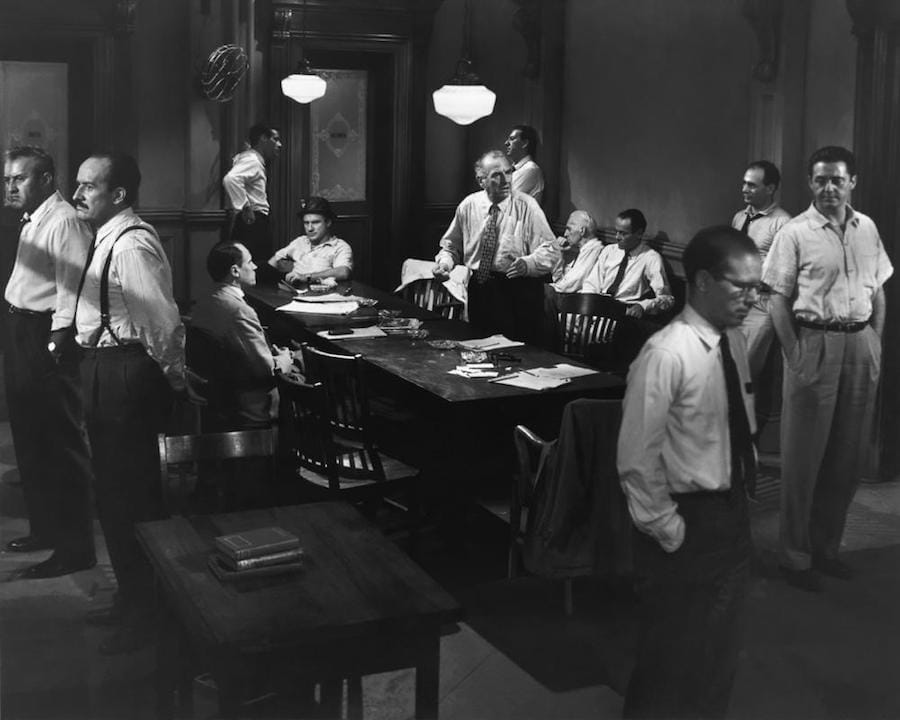
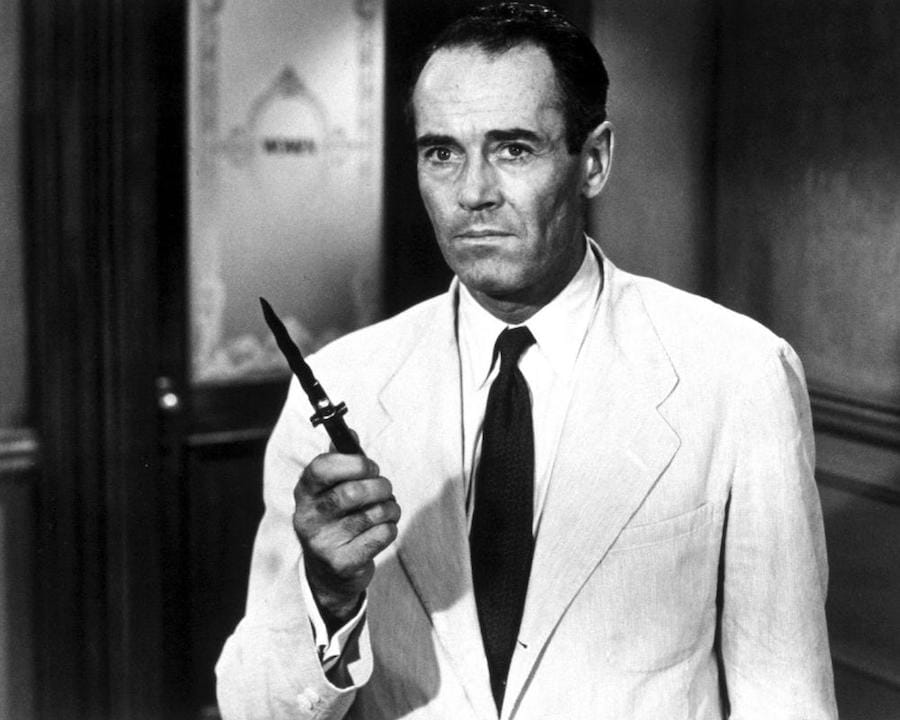
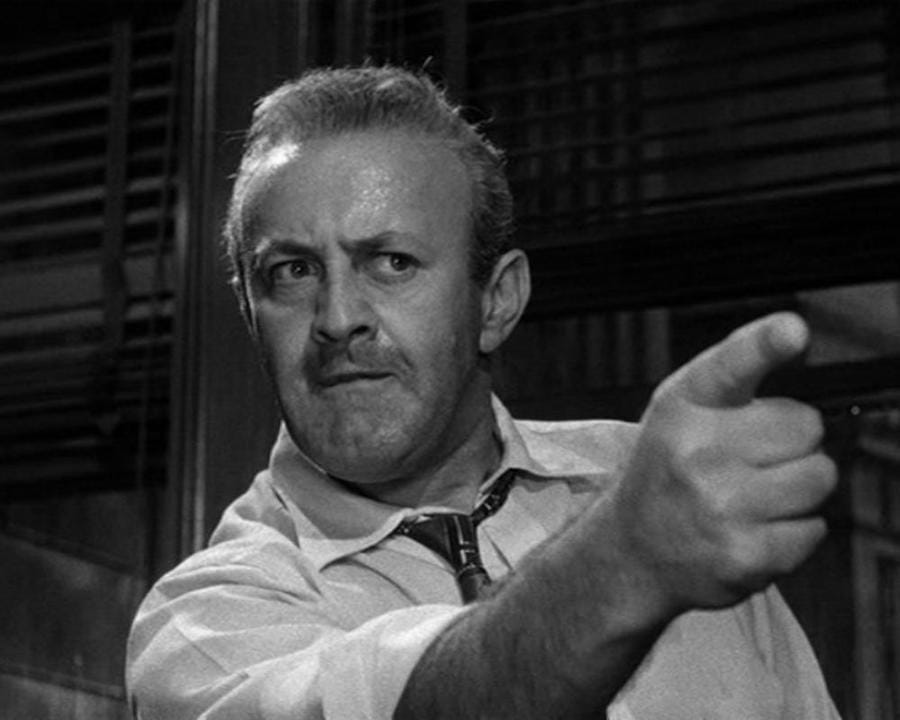
12 angry men


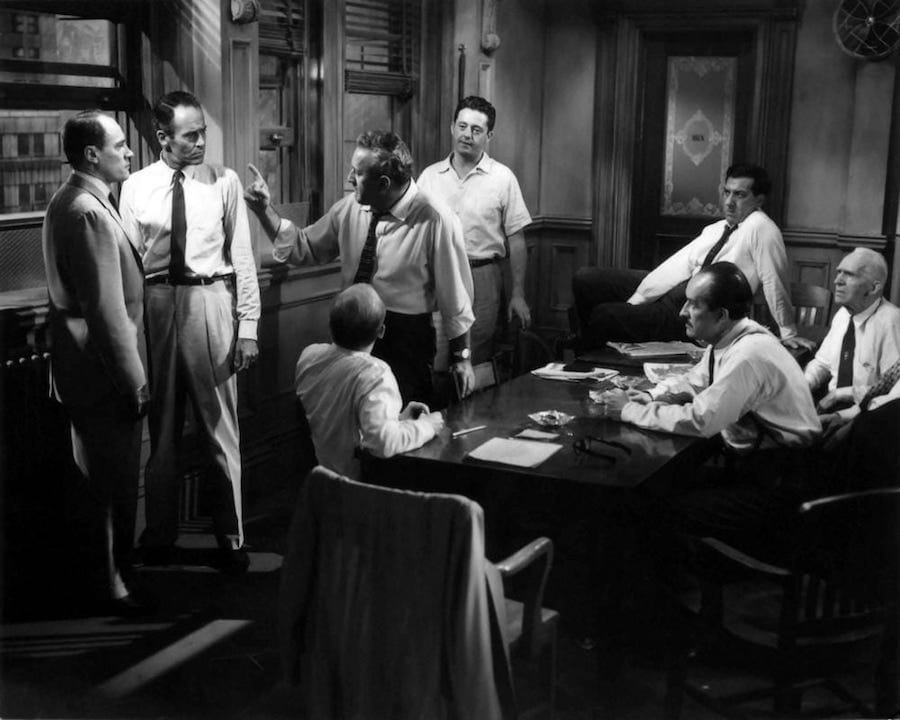
One of the films I’ve really enjoyed recently, having some free times during the new year holiday to “re – master” some classics. Yes, it is truly a classical master – piece! Off 95 minutes of the picture, almost 90 min is spent in just a single room, with 12 men discussing, arguing, debating… There’s not even a single frame for flashbacks, visualizations or imagined scenes or such things, a 2 – hour continuous hard talk between 12 jurors of a trial’s jury, to decide in a murder case whether a boy is guilty or not.

Although some scenarios in the film are quite predictable, and some details are somewhat illogical (those that could hardly occur in real world), the fascinating part of the film is about the diversity of the jury board: 12 men from different backgrounds, ages, professions… different personalities, their logic systems, their value scales… and their prejudices. Some just doesn’t care, some is more or less “a yes man”, flipping sides at any times, some just want to kill the boy cause he grew up in slum, and slum is where crime was born…

Only one man has the braveness that leads him (and later the whole board) to the truth! The film gets to the core of the American juridical system, and helps explaining why the country has a strong democracy: democratic is built upon the votes (decision making) of a mass, it’s the quality, the responsibility of the mass that decide outcomes. The film also helps explaining why in some countries, dictatorship is the only thing that’s possible. That is, eventually, people get the ruling system, the kind of government they’ve wanted!

the sorrow of war… film?

“Better to die than surrender, my brothers! Better to die!” – the battalion commander yelled insanely; waving his pistol, and in front of Kien, he blew his own brains out through his ear. (The Sorrow of War)

An un-put-down-able novel. It should win the Pulitzer prize, but it won’t. It’s too gripping for that. (The Guardian)

Dramatic… Will force American readers to acknowledge how little they still understand of the long war that left such a legacy of grief and guilt in their own country. (The Washington Post)

The Sorrow of War has won worldwide acclaim and become an international best-seller. (Amazon.com)

A good news: 8th, May, 2008, The Sorrow of War novel will be turned into movie by an American director: Nicolas Simon. After 10 years of discussion and negotiation, Bảo Ninh, the novel’s author finally permitted making of the film based on his famous book. The producer, Dominic Scriven, a very passionate admirer and friend of the author, who now holds the book copyright and want to transfer it onto the silver screen. An even better news: 9th, Aug, 2008, author of The Sorrow of War novel stated that he wouldn’t have any further connection with the The Sorrow of War movie project.

The reason given is: film’s script is not aligned with the author’s ideas. In fact, many people is doubtful that an unnamed director would be capable of working on such a great novel, although the producer (Dominic Scriven) ‘s goodwill is widely recognized! The movie project is now paused, in searching for another director! That’s a very good thing in my opinion, in the fear that we would have another history distortion (or even worse)! A picture is worth a thousand words? That’s not always true, think twice (or read the book)! In this case, words are worth thousands of pictures (or a movie)!

The novel is, more or less, an semi – autobiography. Bảo Ninh himself (or the protagonist Kiên in the novel) was a soldier in the 24th battalion, a special formation commissioned to the B3 front (central highland) in 1969. Of the unit’s 500 man, he is among the only 10 survivors. The story is an nonlinear scatter of memories, mixed the past with the moments of post-war time: childhood, a high school’s love story, the battles, and importantly lives after war.

The Sorrow of War is without doubt timeless. Perhaps it is one of the world’s greatest war novels ever written. Imagine the film Apocalypse Now and increase its effect, say by a factor of a thousand – this is the power of Bảo Ninh’s writing. I remember shivers in my spine when first reading the book, some 15 years ago! Just surf around some online bookstores, to see what readers have said about the book:

  • If this book doesn’t make you cry, you have no soul.

  • It’s definitely not a book for everyone, and I nearly put it down during the first 50-60 pages. But, I soon became wrapped up in the story and the language.

  • Books usually lay with me on my bed and after their formal end we sleep together for a few days but after the last sentence I promptly put this right back on my shelf and am having trouble thinking about it again. I had horrible nightmares during the read.

  • This book is amazing. The story progresses thematically rather than chronologically, and leaves you piecing together historical non-fictional events… He succeeds in taking the reader on a difficult journey of emotional and spiritual crisis, right to the core of the human condition and captures a sorrowful despair like no other literature I’ve ever read.

  • Like pouring acid on your moral center…

  • Just an excellent novel. To everybody who considers The Things They Carried the penultimate work of fiction about the Vietnam War: pick up The Sorrow of War and be prepared to be blown away by the stories of a Vietnamese.

  • In fact, my view of just about everything I thought I knew about North Vietnam from the mid-60’s to the mid-70’s was altered by this book.

  • This book is unbelievably emotional. The style of writing is unique: it is not linear or chronological in any way. It is chaotic, a reflection on the subject of the book. The writing style, though chaotic, seems to be a perfected style. The book was written with total disregard to order; there is no doubt that all was deliberate.

the battle of iadrang

To make war all you need is intelligence.
But to win you need talent and material.

For whom the bell tolls – E. Hemingway[ 1 ]

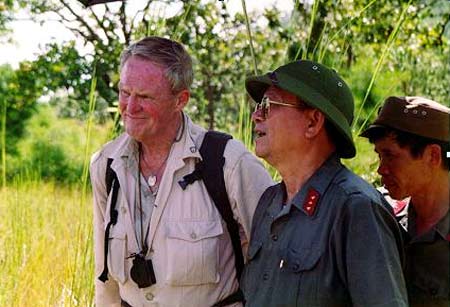
Col.Gen. Harold Moore and Col.Gen. Nguyễn Hữu An returned to the old battlefield, Oct, 1993, exchanging their diaries, maps, operational notes, memories and friendship.

The IaDrang Campaign was to the Vietnam War what the terrible Spanish Civil War of the 1930’s was to World War II – a dress rehearsal. The place where new tactics, techniques and weapons were tested, perfected and validated. In the IaDrang, both sides claimed victory and both sides drew lessons, some of them dangerously deceptive, which echoed and resonated throughout the decade of bloody fighting and bitter sacrifice that was to come.

While those who have never known war may fail to see the logic, this story also stands as tribute to the hundreds of young men of the 320th, 33rd and 66th regiments of the Peoples Army of Vietnam who died by our hand in that place. They, too, fought and died bravely. They were a worthy enemy.

Wild flowers now grow in those places of violent death. The IaDrang from PleiMe west is uninhabited except for a few montagnards who are/have been driven out to the east near PleiKu. The Ia Drang/Chu Pong area is now known as The forest of Screaming Souls [ 2 ] and remains mysterious and beautiful.

Hoa dại giờ mọc đầy trên mảnh đất từng đầy rẫy chết chóc. Vùng IaDrang đến giờ vẫn không có ai cư trú, ngoại trừ một vài sắc dân miền núi đang được di dân về hướng đông gần PleiKu. IaDrang, ChưPrông nay được biết đến với cái tên Truông Gọi Hồn, vẫn nguyên vẹn huyền bí và đẹp đẽ như tự ngàn xưa.

Mar, 1965, the first U.S troops arrived in Vietnam (Danang). 8 months later, their first major engagement with the VPA in a large battle (of regimental, divisional size) took place at the Valley of IaDrang, which is since then known as the Valley of Death. Feb, 1994, President Bill Clinton announced the normalization in relationship with Vietnam. In an action to bootstrap of the process, in 1993, a film was made featuring the old bloodshed battle of IaDrang. Thus, battle of IaDrang marks the begin and end of a long-time painful and bitter relationship between the two nations. Up to the present days, lots of people from both sides still can not get it right about what had really happened then and there. The story below tries to recall the truth.

But first, about the film: We were soldiers is based on We were soldiers once… and young, a book written by Harold Moore himself, as one of the direct commanders in the battle (on the American side). It’s a Randall Wallace‘s film, the famous director of Brave Heart, Pearl Harbor, and now We were soldiers, with Mel Gibson as Lt.Col. Hal Moore, and Đơn Dương as Lt.Col. Nguyễn Hữu An. To my disappointment, the film is no better than any other Hollywood’s films such as Black Hawk Down, solely made to demonstrate American heroism. Exactly as written in Harold Moore’s book: Hollywood got it wrong every damned time, whetting twisted political knives on the bones of our dead brothers.

The film is no exception, it takes many of the small facts of the book onto it, but only to falsely portray the historical events. In fact, the film is a distortion of facts that happened, of peoples involved in the battle, especially the figure of Lt.Col. Nguyễn Hữu An. In a sense, the film has undermined the author Hal Moore’s (and many other American veterans) sincerity and goodwill. Hal Moore is also a man of literature talent, the following line is written upon his revisiting the old battlefield, 1993, accompanied by general An, about the battle and his old enemy (column on the left).

Strictly speaking, Lt.Col. Harold Moore was not the corresponding counterpart of Lt.Col. Nguyễn Hữu An, he was one of the three direct commanders in the battle, a battalion under Thomas W. Brown. Nguyễn Hữu An was then the division commander of the 325th. But history has brought the two man into one battle and a rendezvous aftermath. Battle of IaDrang was actually two main battles in an operation which lasted for one month (between American 1st division and VPA’s 320th, 33rd and 66th regiments). The main confrontations were at the X-Ray and Albany landing zones, between the 1st, 2nd, and 3rd battalions of the 7th cavalry regiment of the U.S army with the 7th, 8th, 9th battalions of the 66th regiment (and one company of the 33th regiment) of the VPA. Hence, in formations’ numbers, the two sides have equal forces.

Contrary to many many sources, Lt.Col. Nguyễn Hữu An did not have any advantages in power comparison, even in number of man. All his infantry battalions are light-armed units, with just some mortars. On the adversary side are air assault and air mobility cavalry units, with superior fire power support. From the air, an average number of 300 sorties per day was made, with all available air units in south Vietnam, and on land, field artillery came in heavy use. So the ratio here is at least 3:1 with the weaker is the Vietnamese side. Some sources give intentionally wrong information like: the landing troop of 400 man was surrounded by 4,000 soldiers, in fact, 4,000 was number in the whole area (not each individual landing zone), in the same way, we can say: two VPA regiments confronted with forces of the 1st division (a typical American division has at least 20,000 personnel).

The battle witnessed extreme uses of fire power: for the first time in history, strategic bombers B52 are used for tactical roles, air mobility by helicopters reached the highest level ever since the start of WWII. The VPA learned that they could neutralize the effectiveness of that fire power by quickly engaging American forces at close range, thus turned the battle into a close-quarter struggles with mainly knife, bayonet and other small arms. A series of well-planed ambushes turned the American situation to desperate. Finally, they know that they can not deny or hide an obvious defeat, then dropped napalm bombs to clear all vestiges, sacrificing all, including man of their own. This is known as one of the most savage battle and can be considered as microcosm of the whole war.

The American casualties is about 700, the Vietnamese is about 1100, a victory to Lt.Col. Nguyễn Hữu An in consideration to forces participated in the confrontation. The battle set up, for the first time, an example in which a modern Calvary division can be defeated (Calvary division was then a new concept of air assault and air mobility units, formed firstly in the Vietnam war). In fact, the battle is blueprint of tactics successfully anticipated by Lt.Col. Nguyễn Hữu An, many interesting details can be found in his memoir (all details, facts, formations, numbers, estimations… in this post can be confirmed by both 2 memoirs from the 2 sides). He is named: the General of Battles for his exceptional talent in tactical problems. The man is among only a few number of generals in Vietnam who truly gained respect from the people, not only for his success in military career but also for his righteous attitude toward history and moral principles he’s practiced in life.

[ 1 ] Hemingway’s words were true in the Spanish civil war, but it’s not true anymore in the Vietnam war. Even with talent and material, you still can not win it.

[ 2 ] The phrase: The forest of Screaming Souls may have been first introduced in the famous Vietnamese novel The sorrow of war by Bảo Ninh. The author (also the main character Kiên in the novel) was also a soldier in this B3 (Central Highland) front.

for whom the bell tolls

Men of five still alive through the raging glow.
Gone insane from the pain that they surely know.

(Metallica)

Excerpts from the 1943 film following Hemingway’s novel. In some aspects, this is a great film, highly symbolic and dramatical, beautiful staging and casting, but still nowhere closed to the book. So read the book here (zipped text file)! It’s said that Hemingway handpicked the actors and actresses himself for the roles, but he greatly disliked the film due to it’s political content removal.

Excerpt 1: The old guerilla man of El Sordo and his last four men make their last stand on a dead-end hilltop. They’re waiting for their fate to come, and the young Joaquin does the praying when the Russian machine gun barrel turns hot on his shoulder as the planes approach: Holy Mary, Mother of God, pray for us sinners now and at the hour of our death, Amen!.

…Dying was nothing and he had no picture of it nor fear of it in his mind. But living was a field of grain blowing in the wind on the side of a hill. Living was a hawk in the sky. Living was an earthen jar of water in the dust of the threshing with the grain flailed out and the chaff blowing. Living was a horse between your legs and a carbine under one leg and a hill and a valley and a stream with trees along it and the far side of the valley and the hills beyond…

Excerpt 2: Robert Jordan, severely wounded on the way retreat after the mission, says farewell to his lover María. He stays behind to cover the enemy for others to safely escape. The scene removes the detail of Agustín asks if Jordan need a shot or he can manage himself once left behind. Counting the last minutes of his life, in such moment, one can hear the bell tolling for his soul!

Lieutenant Berrendo, watching the trail, came riding up, his thin face serious and grave. His submachine gun lay across his saddle in the crook of his left arm. Robert Jordan lay behind the tree, holding onto himself very carefully and delicately to keep his hands steady. He was waiting until the officer reached the sunlit place where the first trees of the pine forest joined the green slope of the meadow. He could feel his heart beating against the pine needle floor of the forest.

Robert Jordan, as illustrated on this Vietnamese translate book cover, using a Lewis gun, or just called a mácquina as in the book.

one day when we were young

Từ đó khi xuân tái hồi,
Cho bùi ngùi thương nhớ tới xa xôi.
Nhớ tới câu thương yêu người,
Một ngày tuổi mới đôi mươi.

Ca khúc thứ 4 trong chuỗi những giai điệu valse chào xuân! Rất nhớ ca khúc này, những năm cấp 2, cấp 3, mỗi lần đi cắm trại, trong tiếng guitar bập bùng, bạn bè lại hát cho nhau nghe. Đến tận bây giờ cảm xúc rộn ràng vẫn còn đọng lại: you told me, you love me, when we were young one day. Lúc ấy cứ ngỡ đây là country music, nhưng bây giờ thì biết rất nhiều bài “popular song” được trích ra từ kho tàng nhạc cổ điển. Như bài này được trích từ vở operetta Der Zigeunerbaron (The Gypsy Baron) của Johann Strauss II. Trích đoạn mang tên Wer uns getraut (tiếng Đức, nghĩa là: Ai thành hôn cho chúng ta).

Wer Uns Getraut - Johann Strauss 
When we were young - Miliza Korjus 
Khúc hát thanh xuân - Hà Thanh 

Bài nhạc trở thành “popular song” qua phim The Great Waltz (1938), bộ phim hư cấu về cuộc đời của chính Johann Strauss. Mời các bạn nghe OST của phim này qua giọng ca của diễn viên / ca sĩ Miliza Korjus. NS Phạm Duy đã đặt lời Việt cho ca khúc (tựa đề mới: Khúc hát thanh xuân), giới thiệu ở đây qua giọng ca ngọt ngào của Hà Thanh. Chúng ta cũng có thể nghe trích đoạn trong vở nhạc kịch (tiếng Đức), nghe rồi mới thấy rằng chính bộ phim The Great Waltz đã trình bầy lại bản nhạc dưới dạng valse như chúng ta biết hiện nay. Những giai điệu đã quá phổ biến và quen thuộc này, lâu lâu nghe lại, vẫn như có thêm chút adrenaline trong huyết quản, nhất là khi gió mùa xuân đang tới.