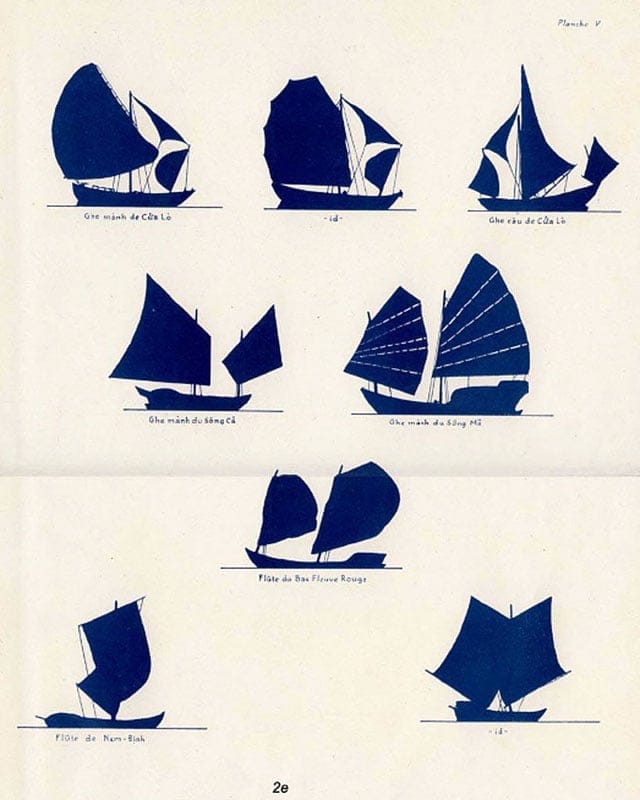
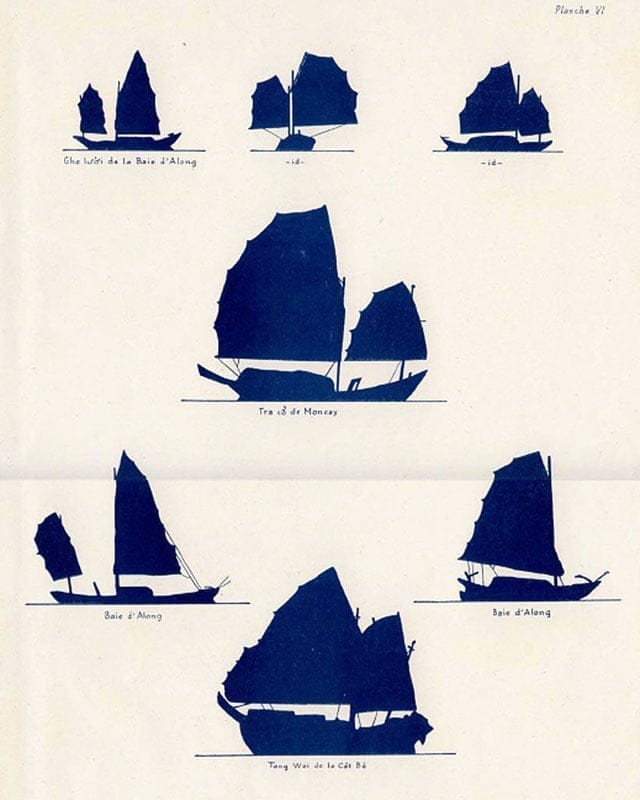
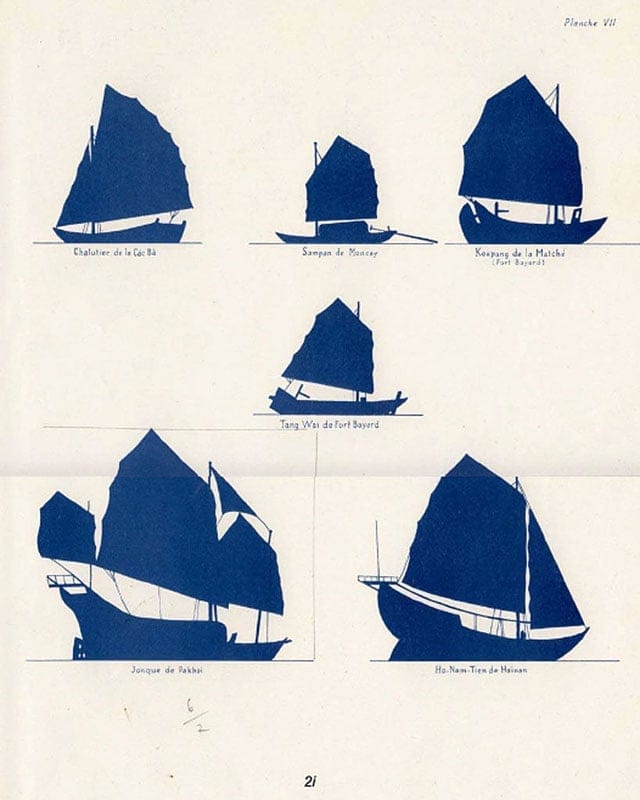
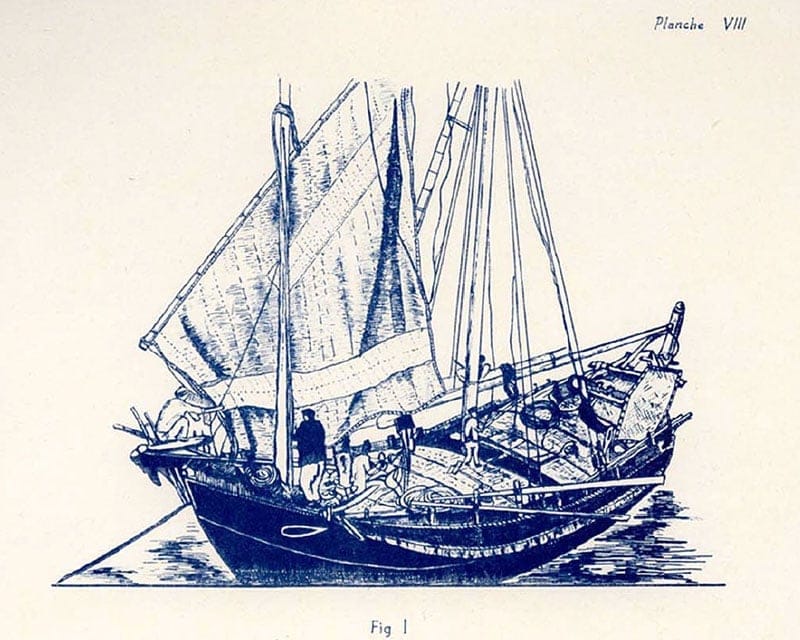
voiliers d’indochine, 3

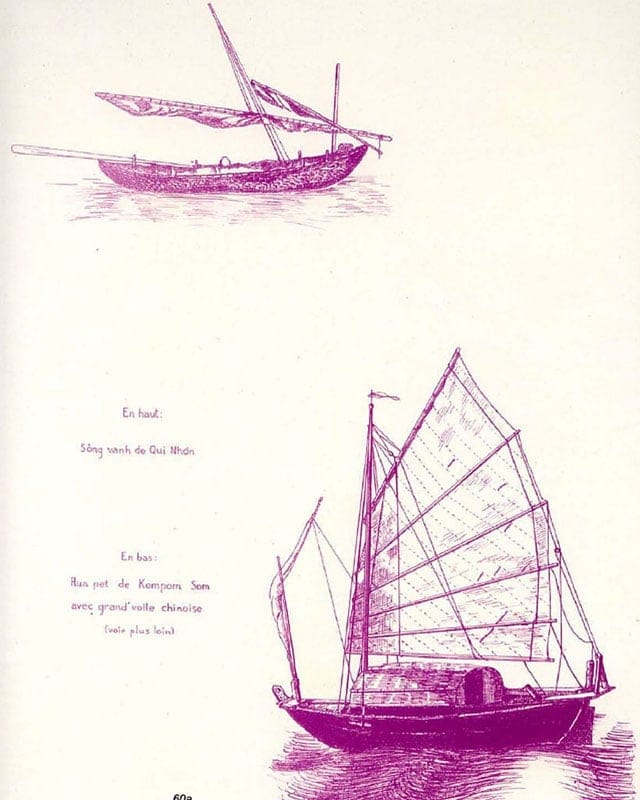
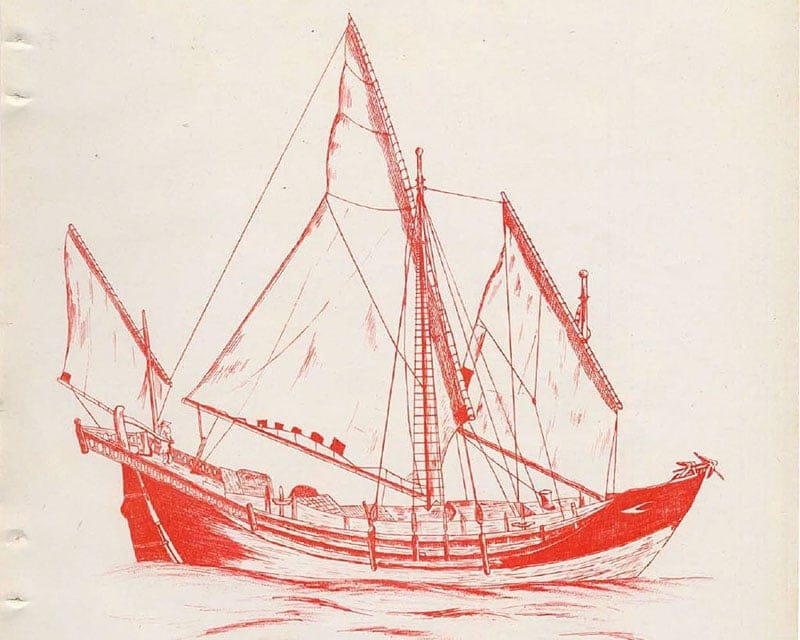
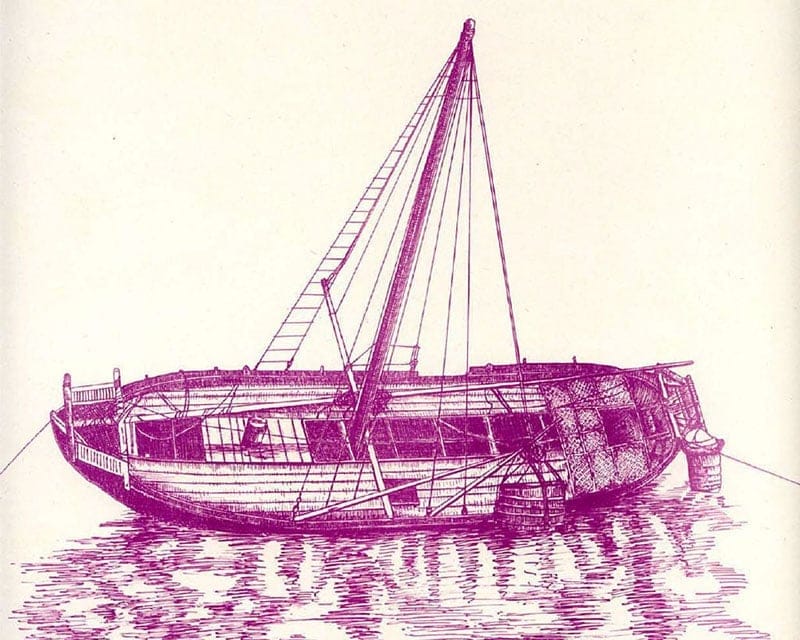
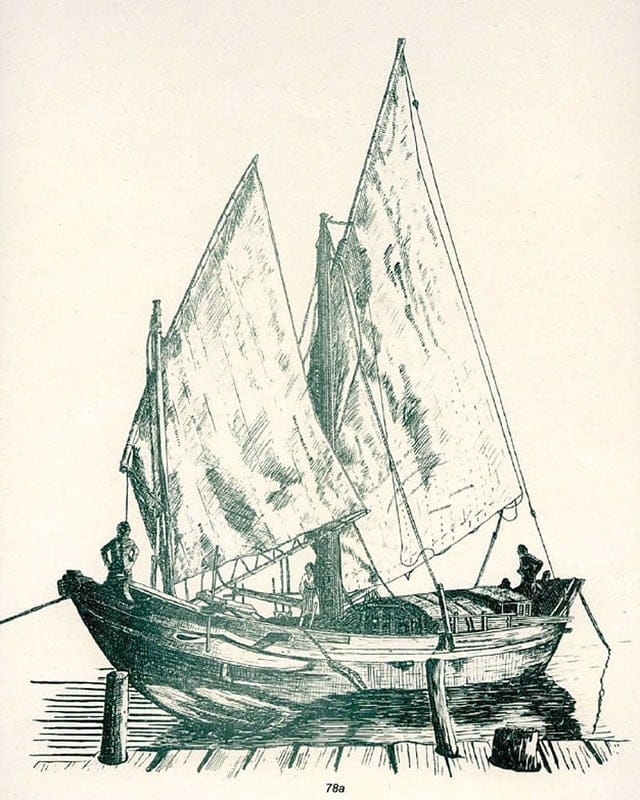
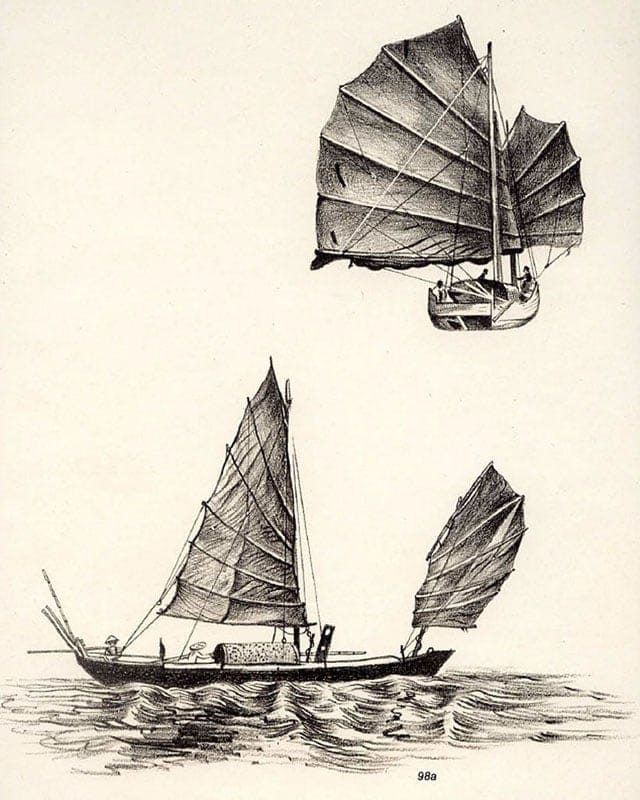
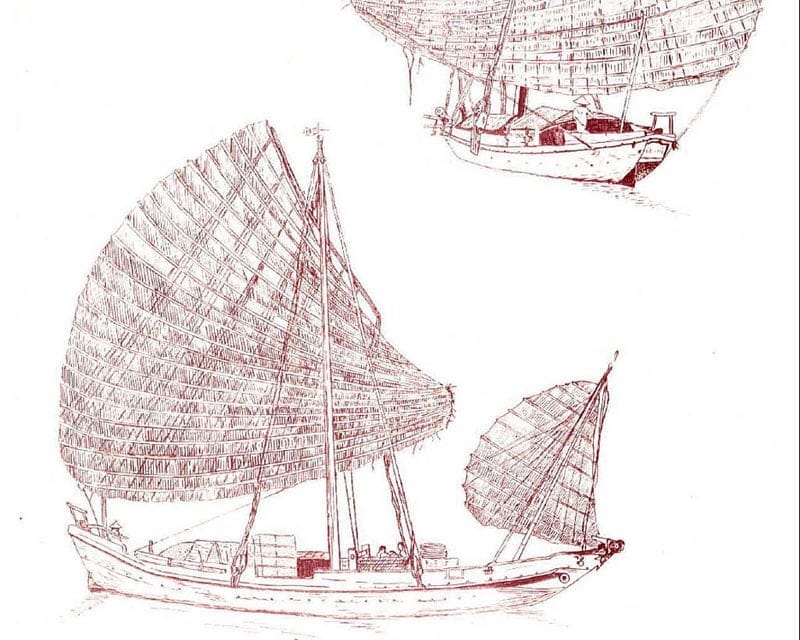
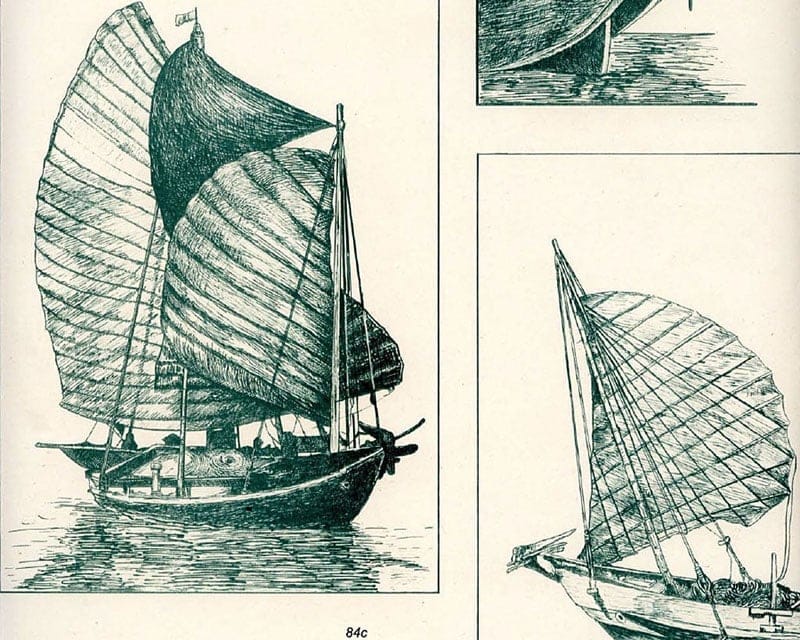
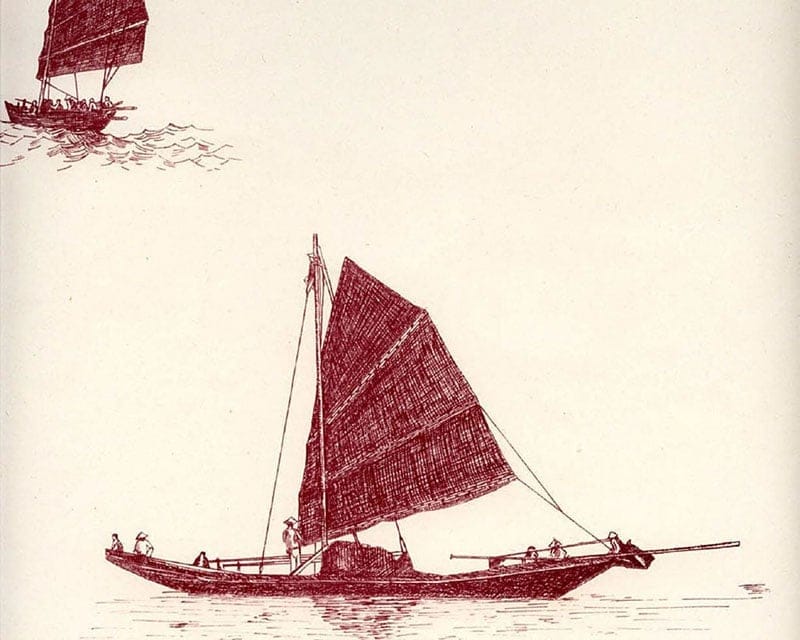
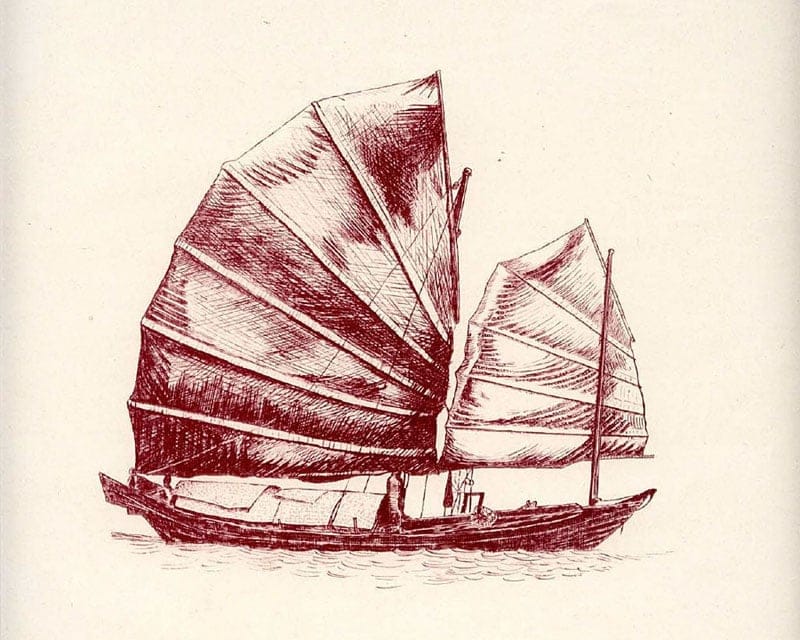
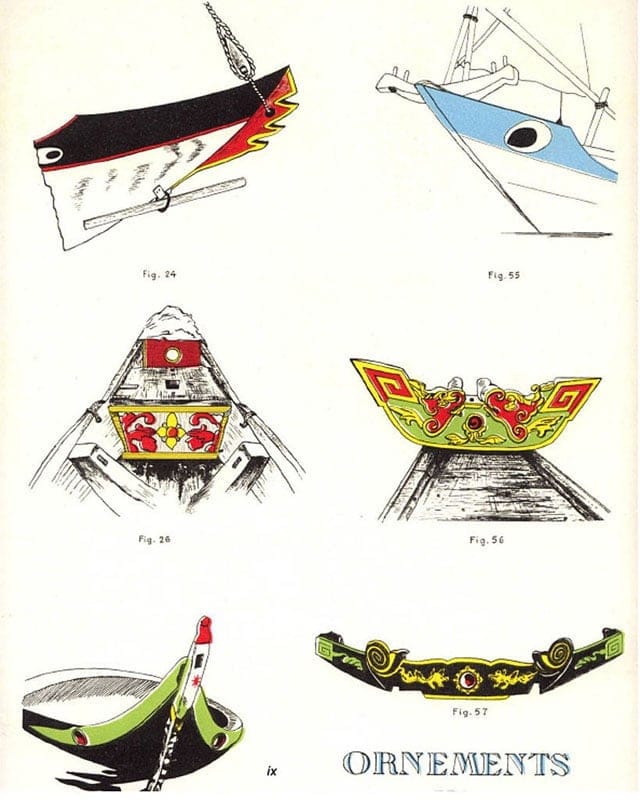
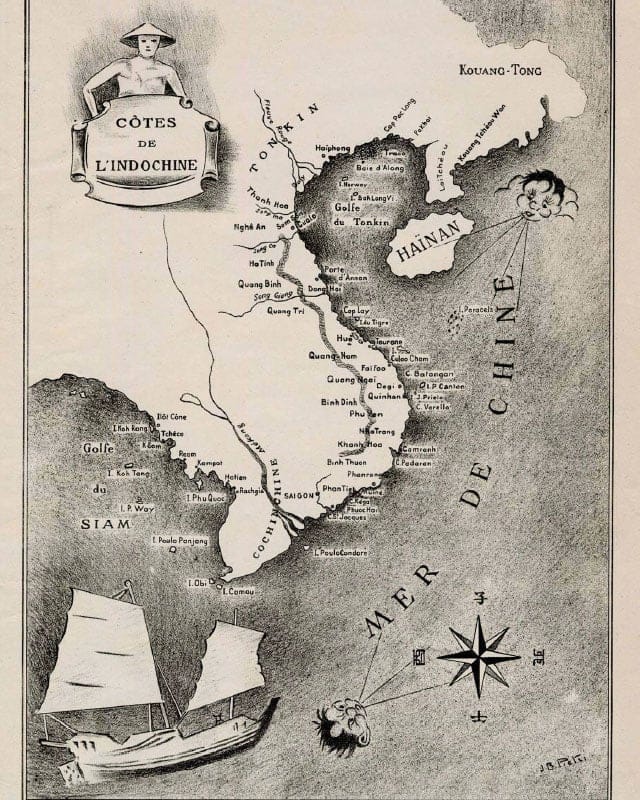
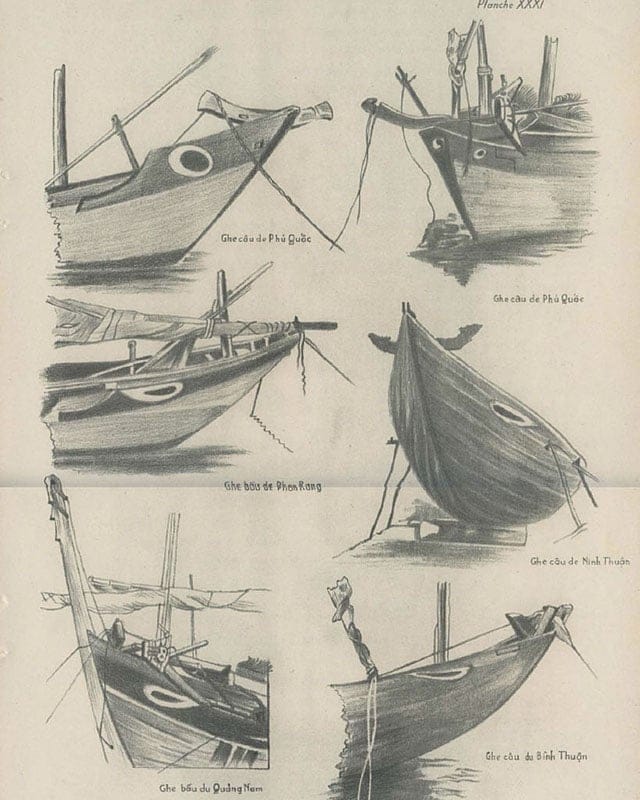
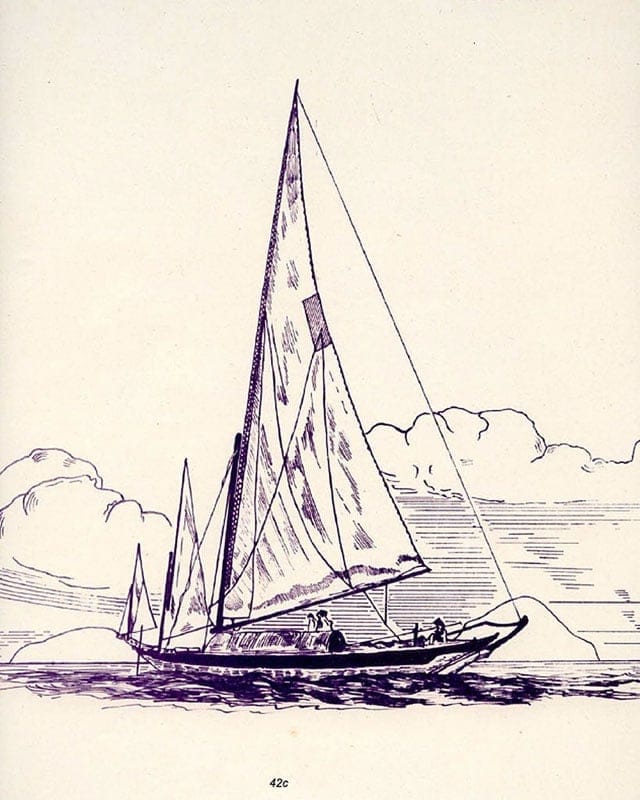
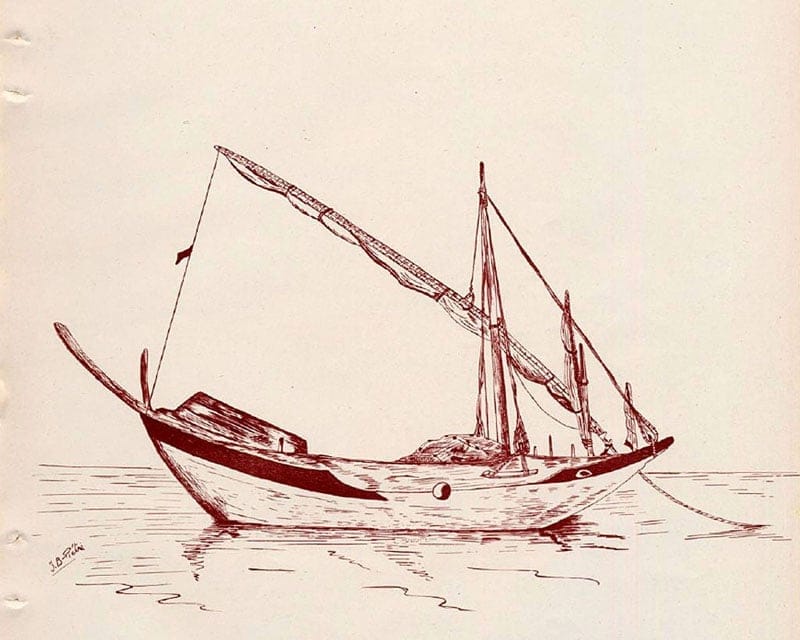
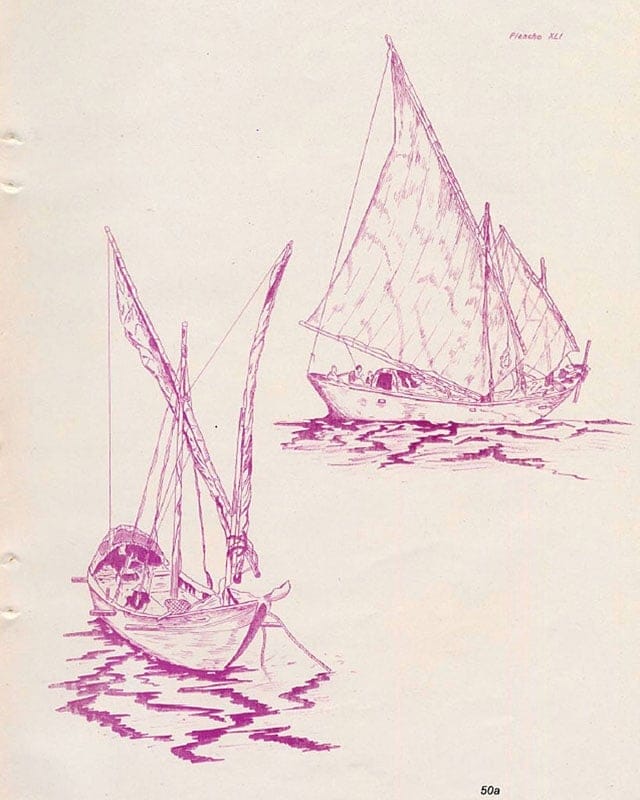
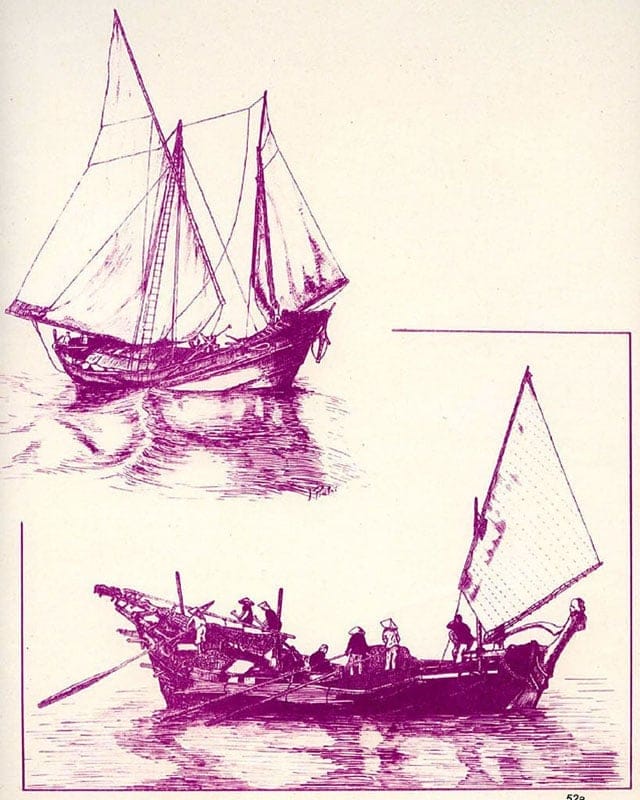
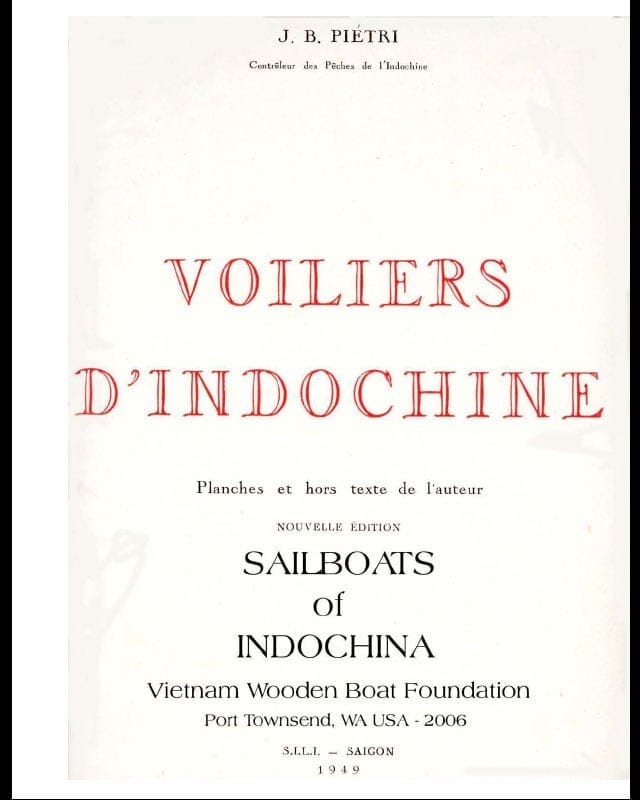
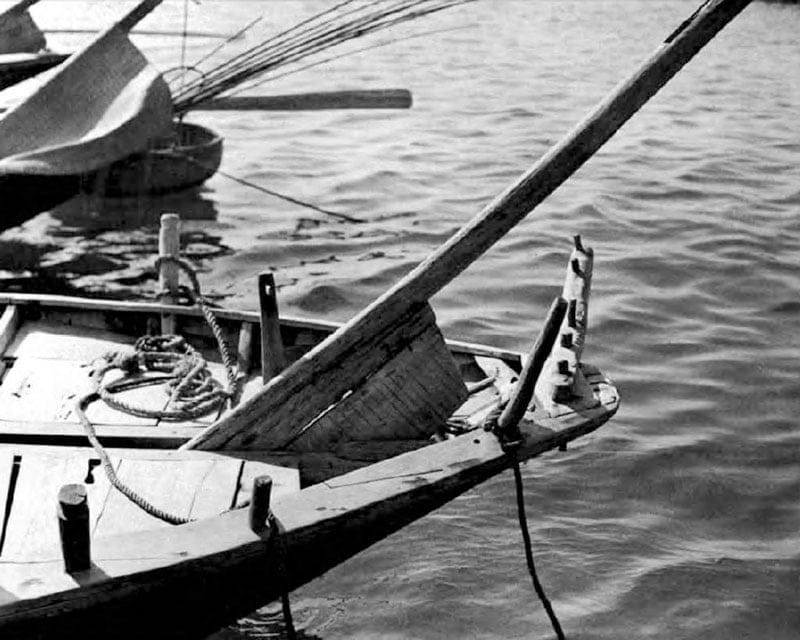
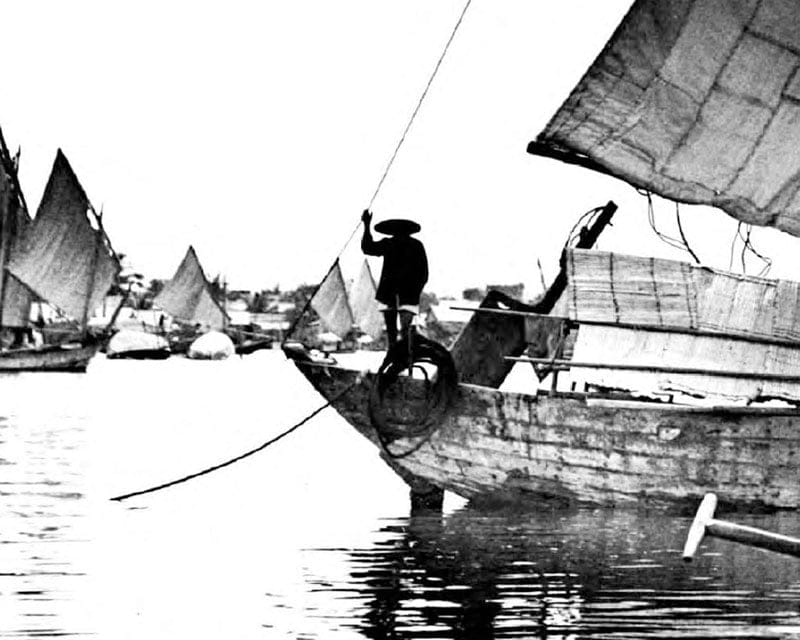
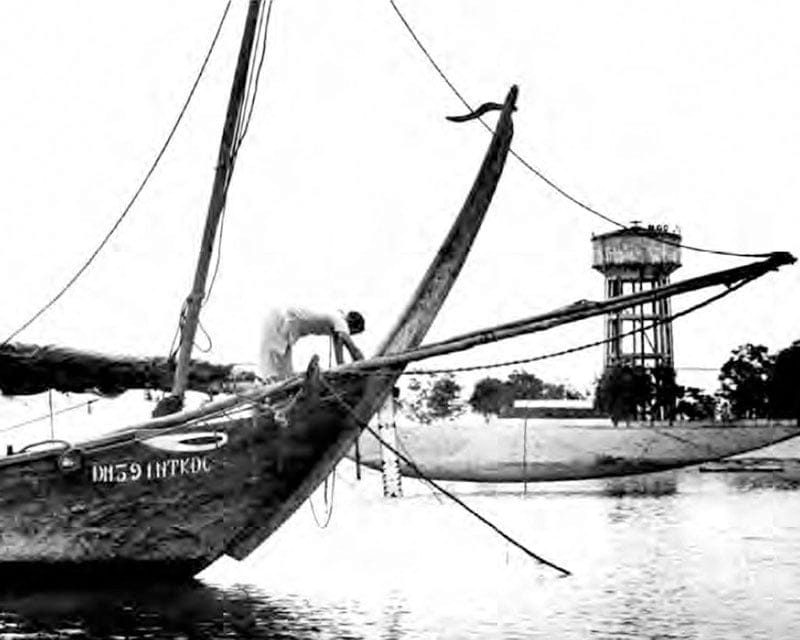
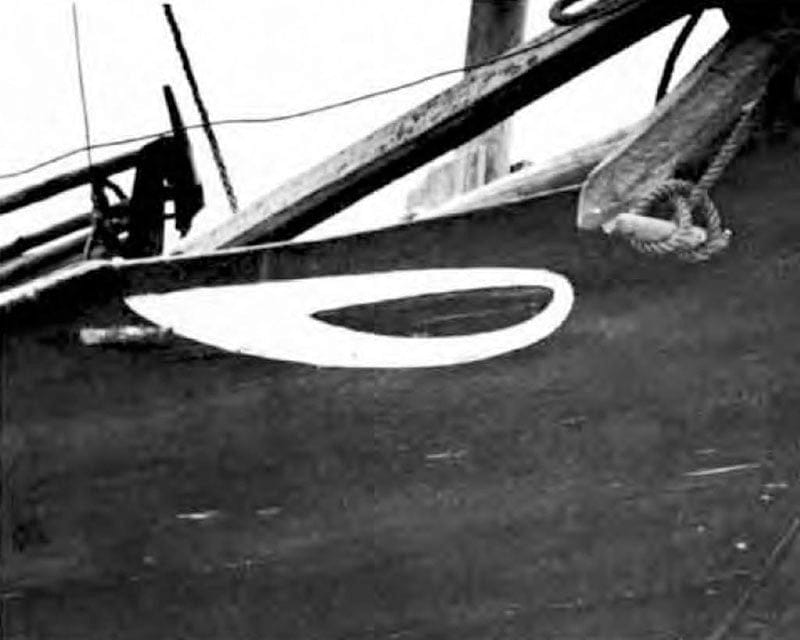
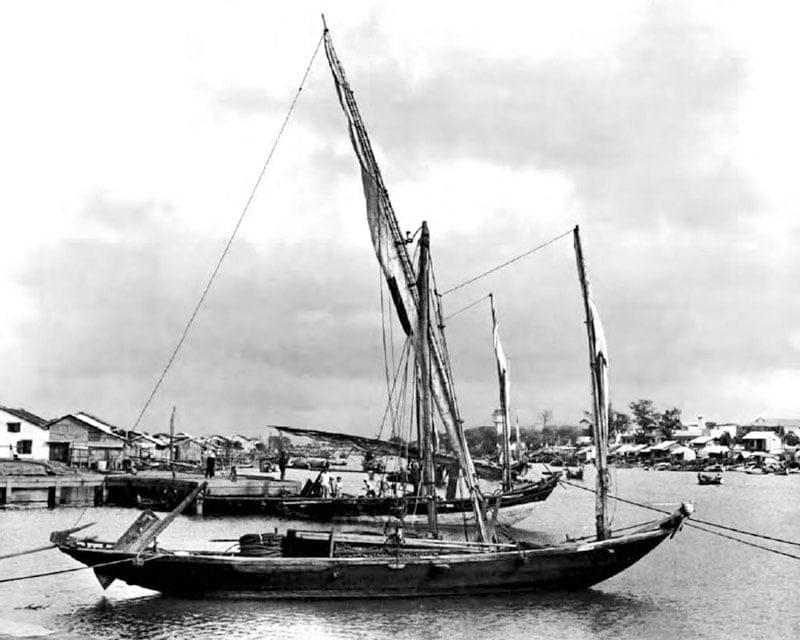
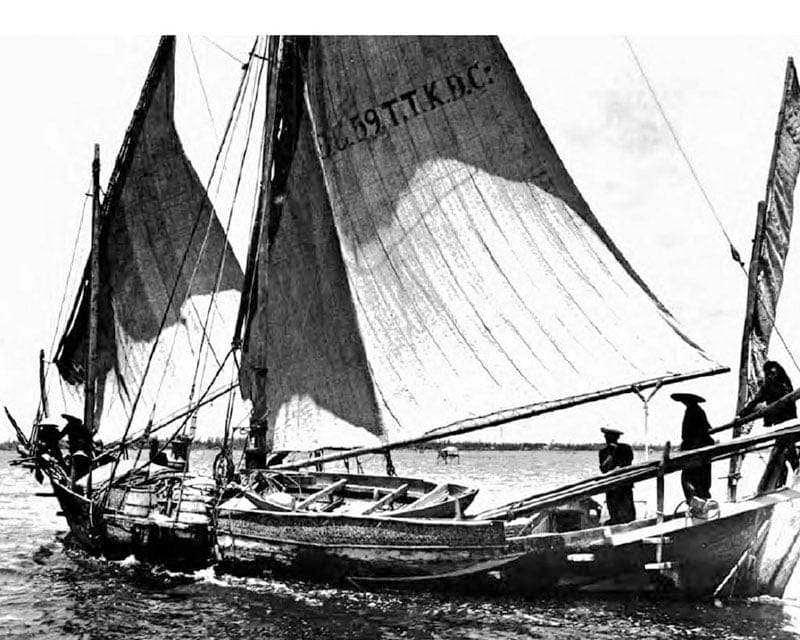
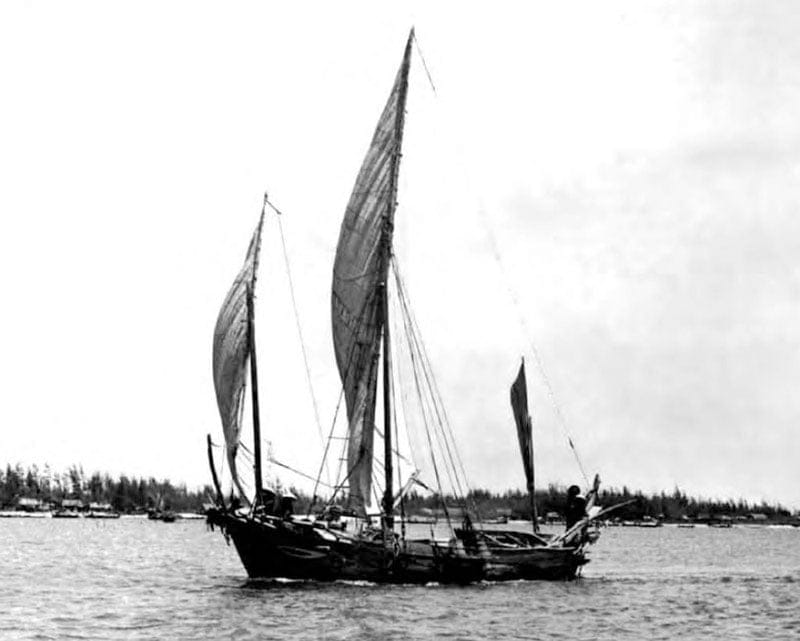
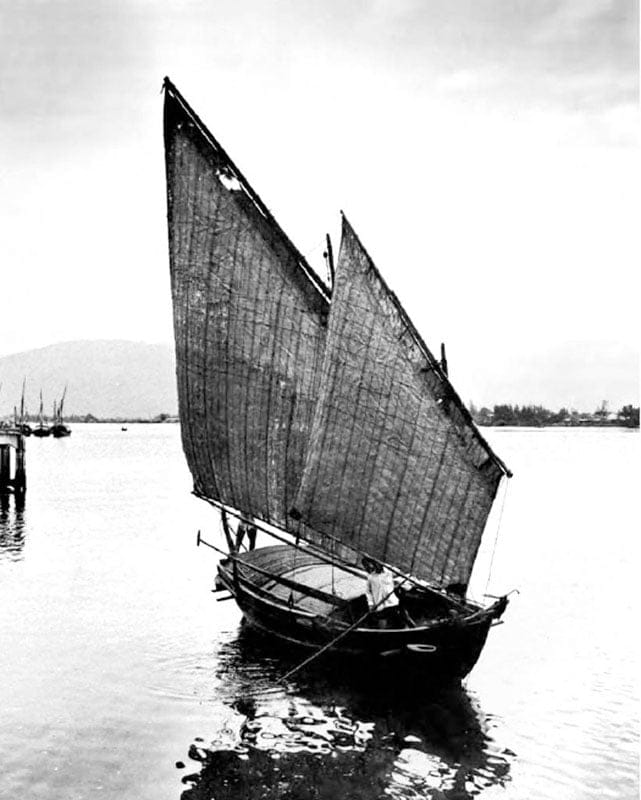
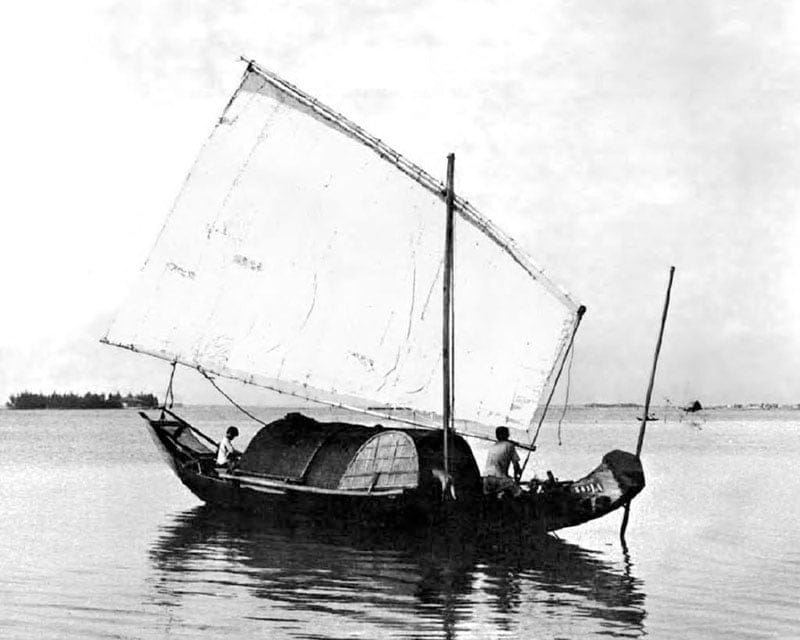
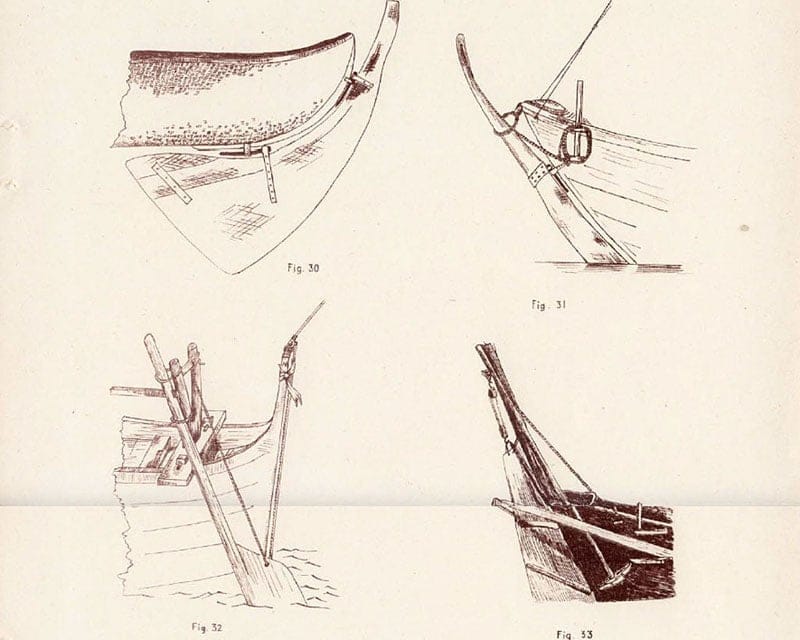
Some texts quoted from the book, the English translation can only partially convey this old, romantic French writing style: if there is one region in the world where the picturesque ancient sailboat has sheltered and prevailed in its multiple facets, it is on the coasts of Indochina. A vast array of colours, the old scent of wood from the past… Nautical Indochina shows contrast especially in its fishing boats: each province has its own type of boat, all shapes of hulls, all the varieties of sails do their utmost to give us an image constantly renewed of maritime culture too regrettably ignored by the French and the Indochinese themselves. Very few are those who attempted to preserve their images, to describe their shapes, to speak of their poetry!

voiliers d’indochine, 2

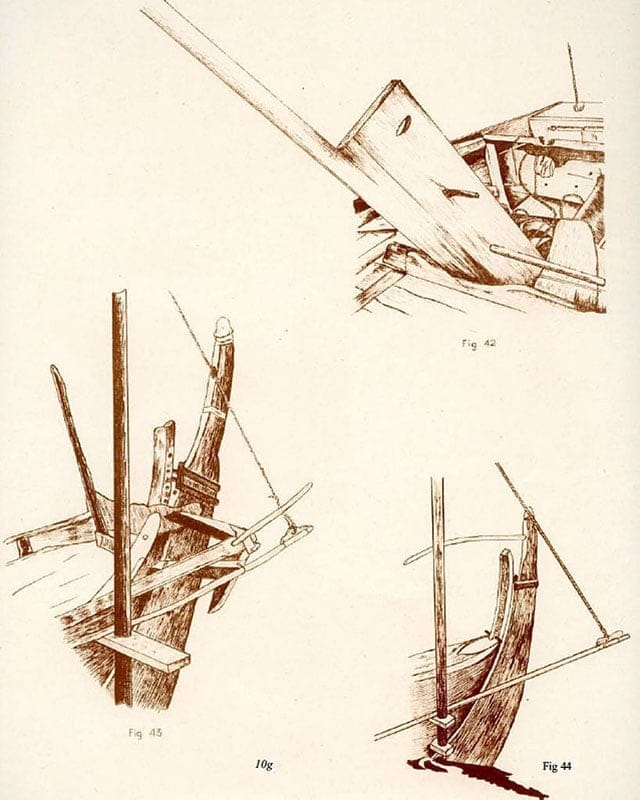
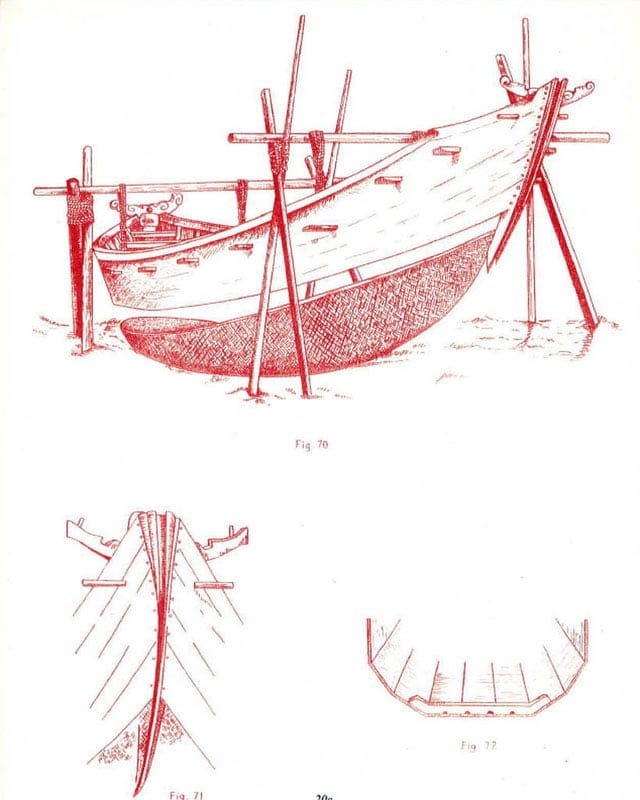
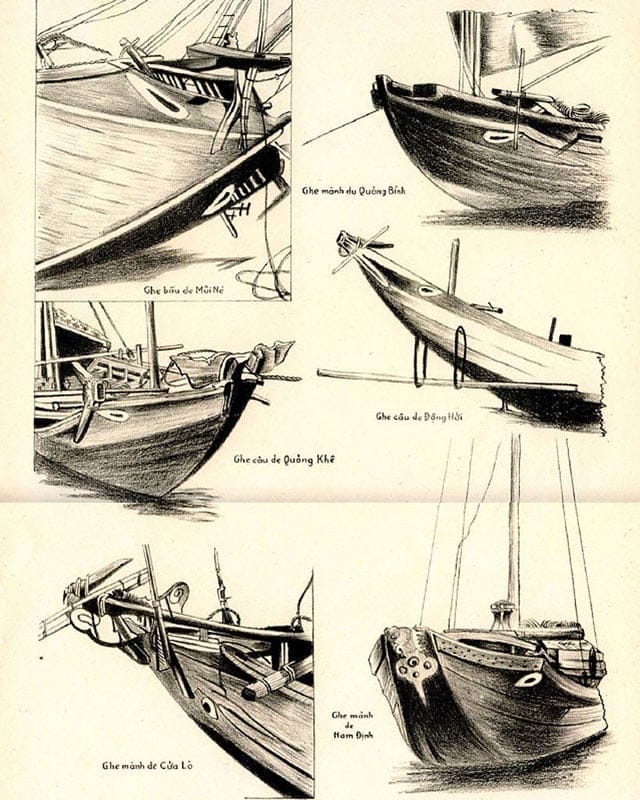
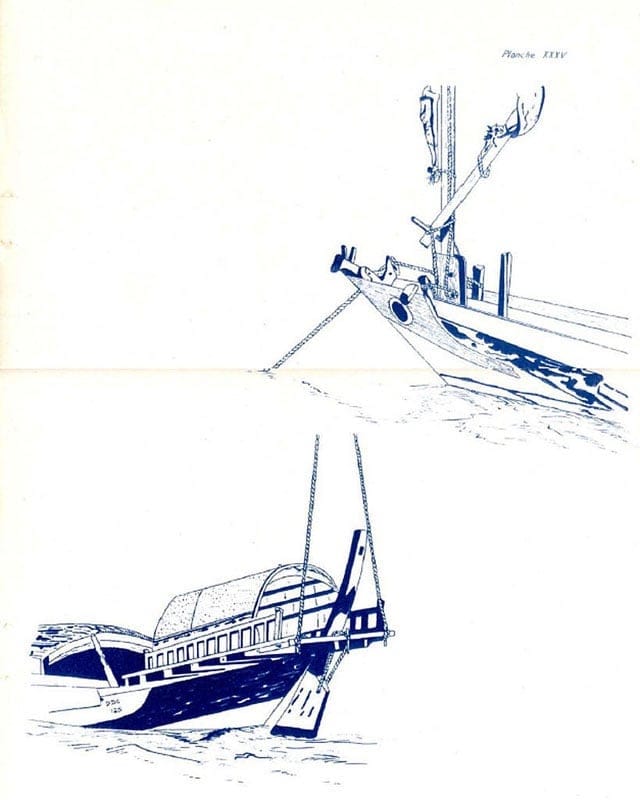
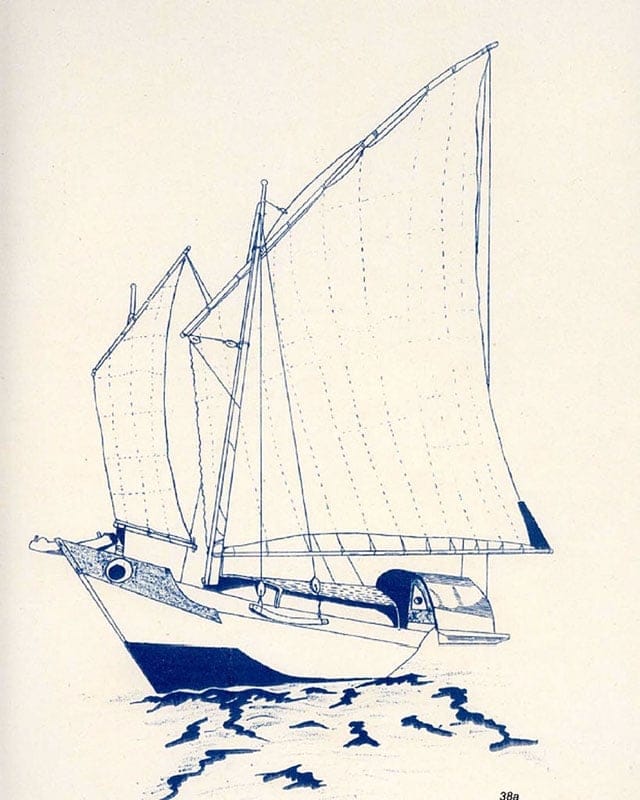
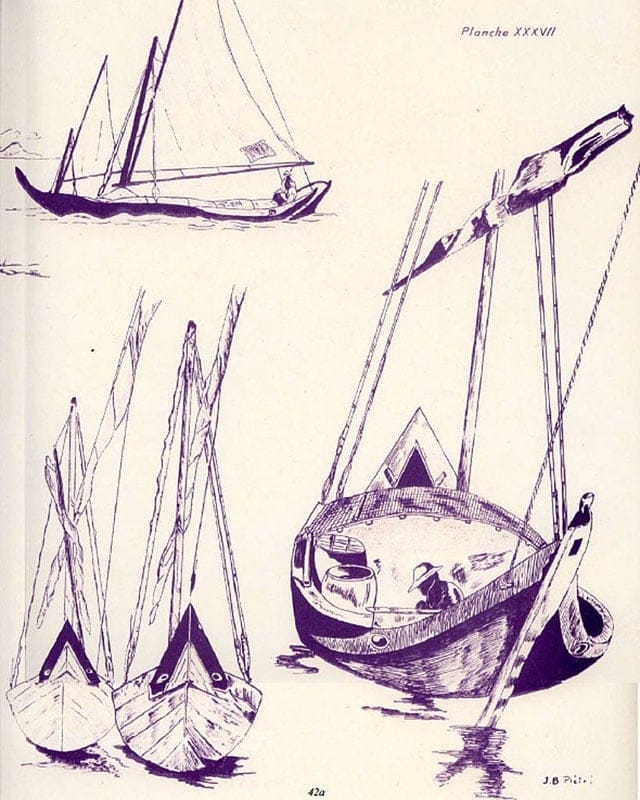
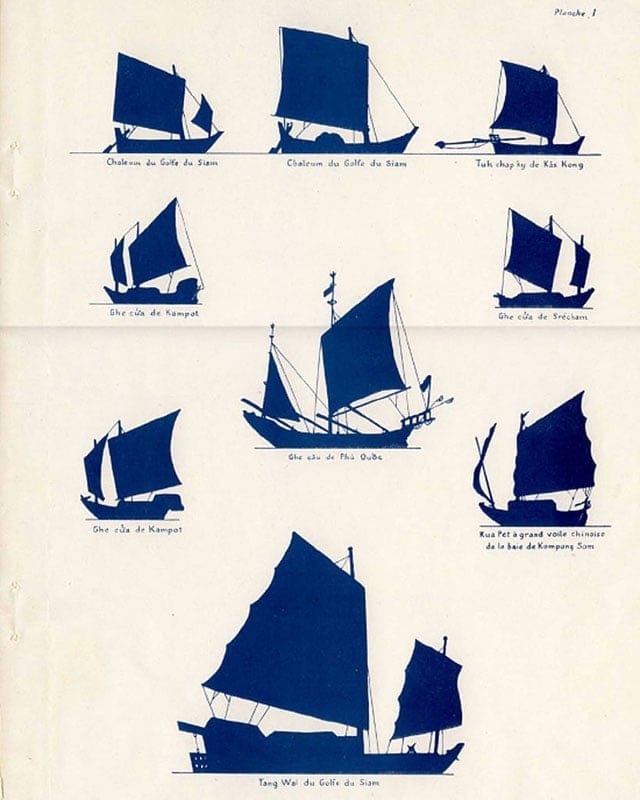
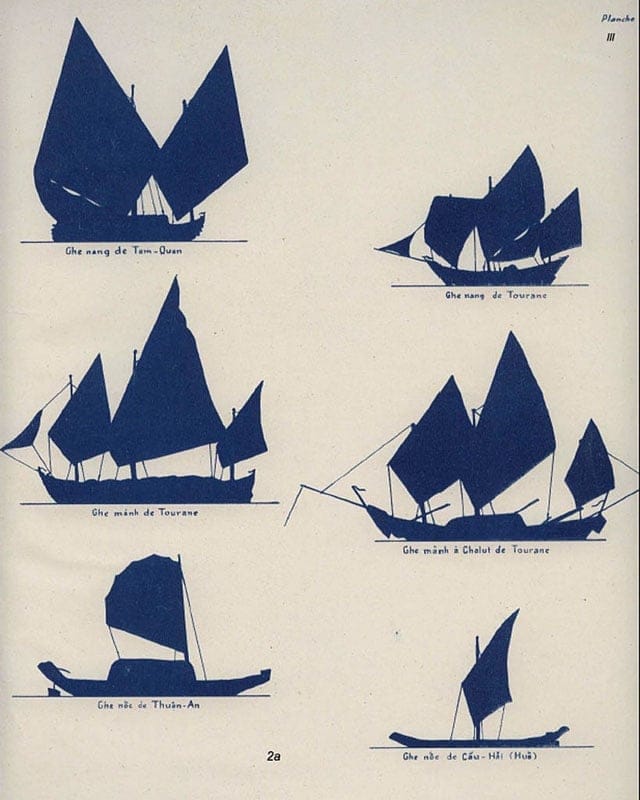
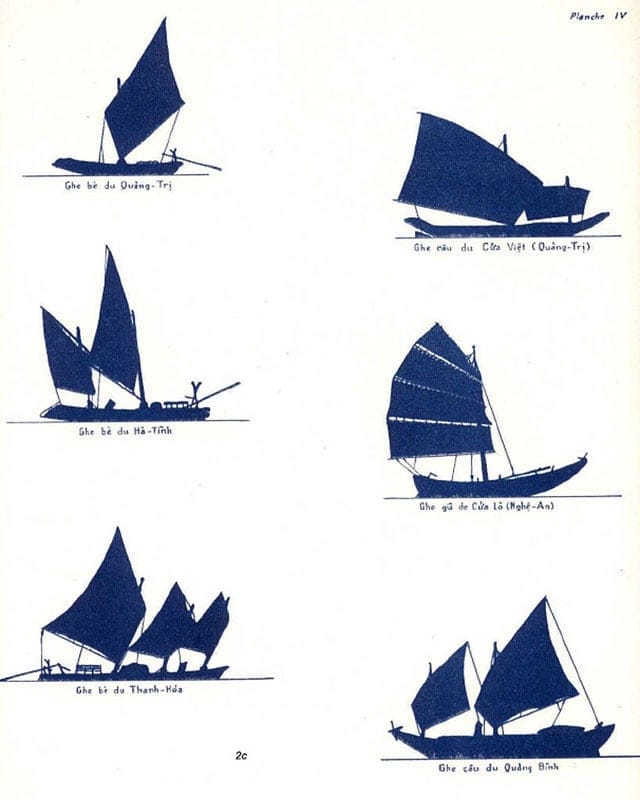
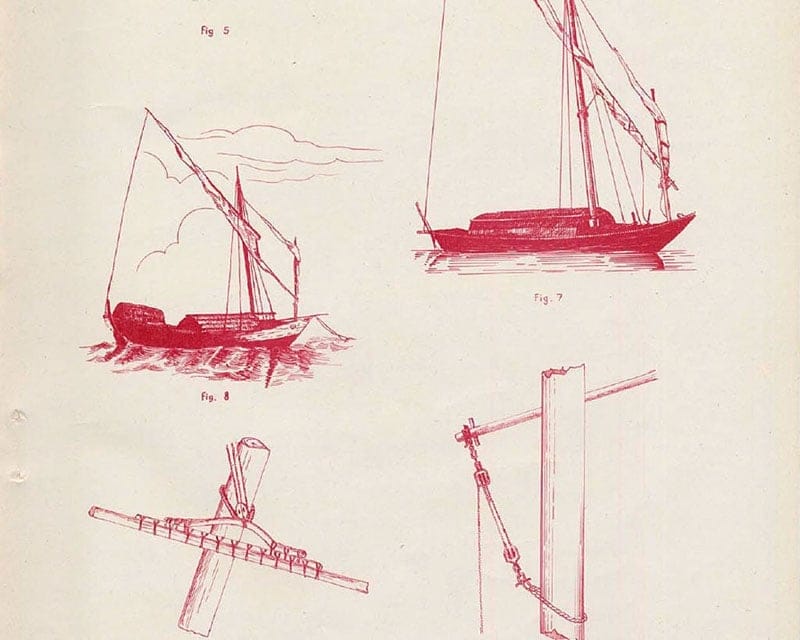
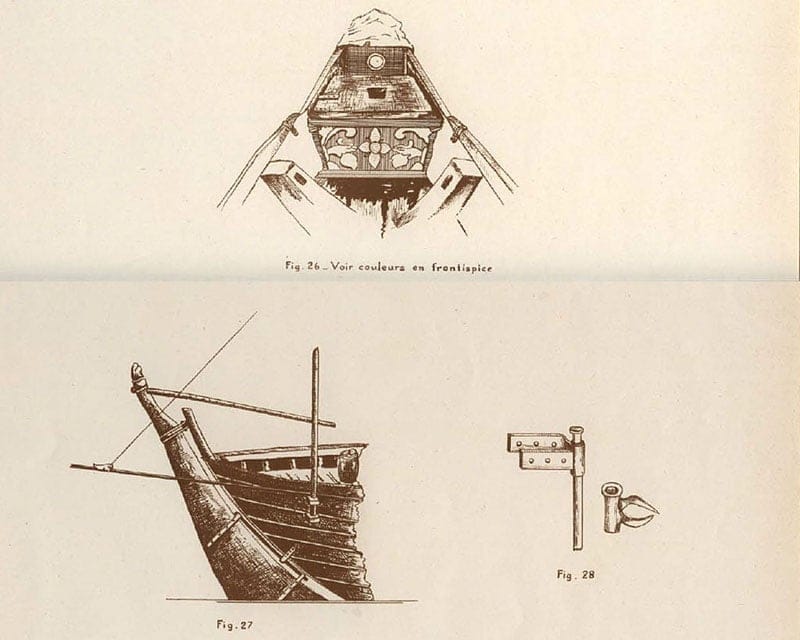
Mr. Piétri was a biologist, and a biologist in the old days was trained in pen, ink anatomical drawing. His skill came into great uses for boats illustration. His writing style is that of a romantic, nostalgic, old – school sailor, he was describing something that would soon pass away in Indochina, as it already had in the Western world: large fleet of sailboats in their daily activities: fishing, cargo transporting… He provided various information into a beautiful world that has now gone, even today we still can find wood – workers who possess the knowledge of building traditional hulls in VN (the number of them can be counted with fingers on your hands), some in – depth details like blocks, tackles, shackles, lines, sails, rigging… can only be found in his book.

voiliers d’indochine, 1

Monsieur Piétri was Director of Fisheries of Colonial French Indochina (Vietnamese: Giám đốc nha ngư nghiệp Đông Dương), his career may had taken him to many watery parts of Vietnam, but only his passion for boat and sailing that resulted in Voiliers d’Indochine (Sailboats of Indochina), a book he’d spent many years working on, in the 30s the previous century, first published in Saigon, 1943, two decades ahead of The Junk Blue Book. I was reading it through an English translation of The Vietnam wooden boat Foundation, and its foreword: dedicate to Mr. J B Pietri in recognition of his passion to accurately record the creativity and ingenuity of the Vietnamese people in the building of unique wooden boats…

the junk blue book, 3

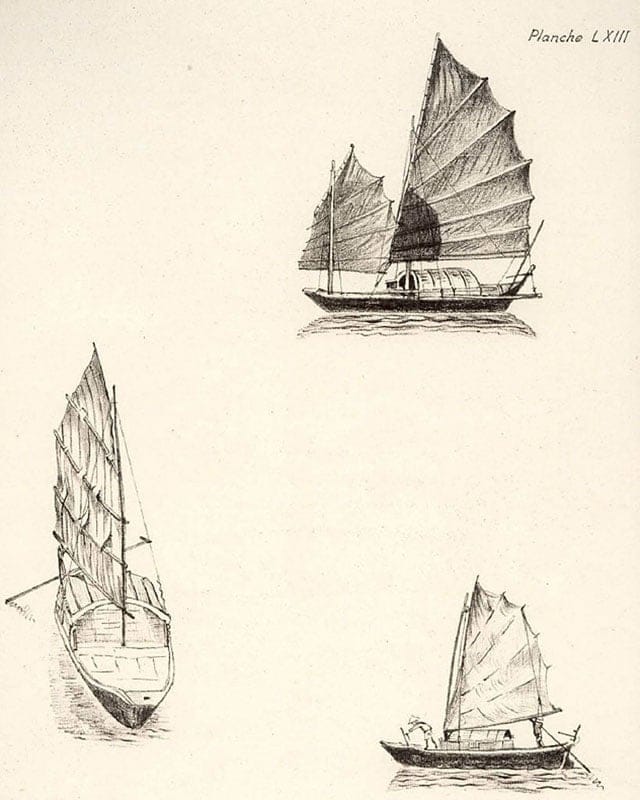
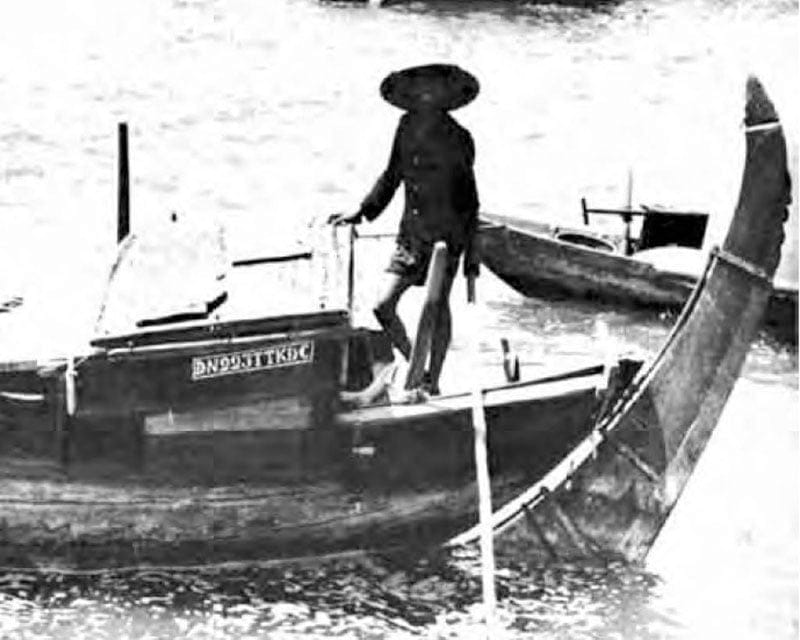
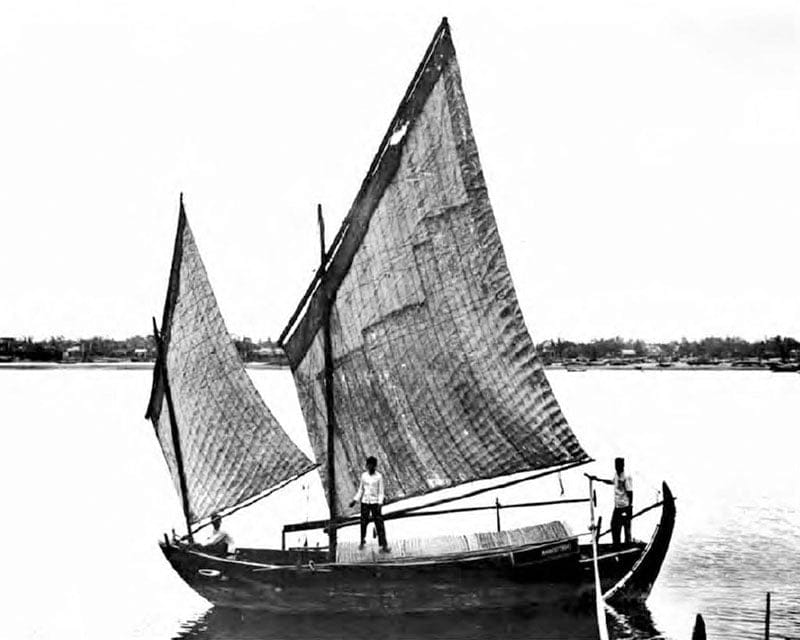
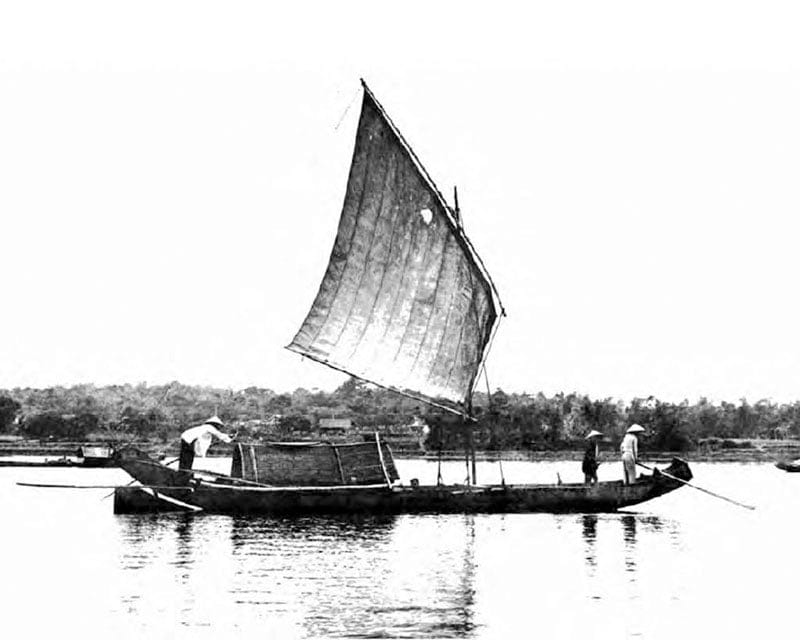
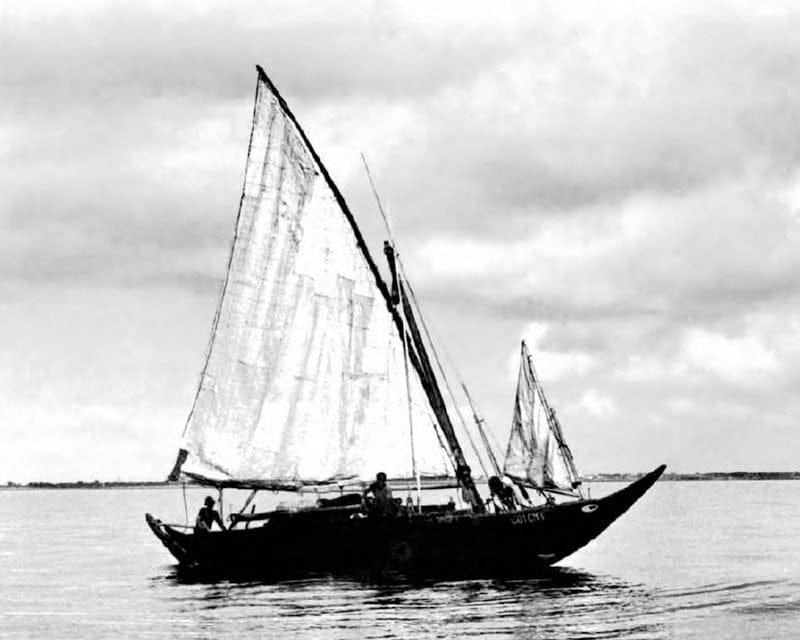
the Junk Blue Book – Marion C. Dalby, by its mission definition, is to provide knowledge to help identifying various Vietnamese indigenous boats, a military technical manual to be precise, not a book about boat design and construction. However it’s among the very rare well – written and fully – illustrated documents available today for us to know how, just half a century ago, our ancestors were operating sailing crafts. As in most of the world the working Vietnamese seamen had little interest in chronicling their environment, or perhaps they had no idea that such everyday life would be of interest to anyone… VN people is, as always, extremely easy to forget the past, and we’re today placed at a fait accompli of a now vanished culture!

Around mid 20th century, the Age of Sail has been long over in the Western world, while in Indochina, sailing crafts were widely used still, and Westerners came to VN seeing them from a “recreational sport” point of view. Many of whom were surprised by the diversity in boat designs and constructions, some were astonished by unique features that only VN boats have, some admired the beauty and performance characteristics of certain VN sailing crafts. One such person is J.B. Piétri and his book Voiliers d’Indochine (Sailboats of Indochina). A marvellous book, no photographs, but all beautiful hand – drawn sketches, not only do they clearly show technical details, but also illustrate the other artistic side of the subject. To be presented in my up – coming posts!

the junk blue book, 2

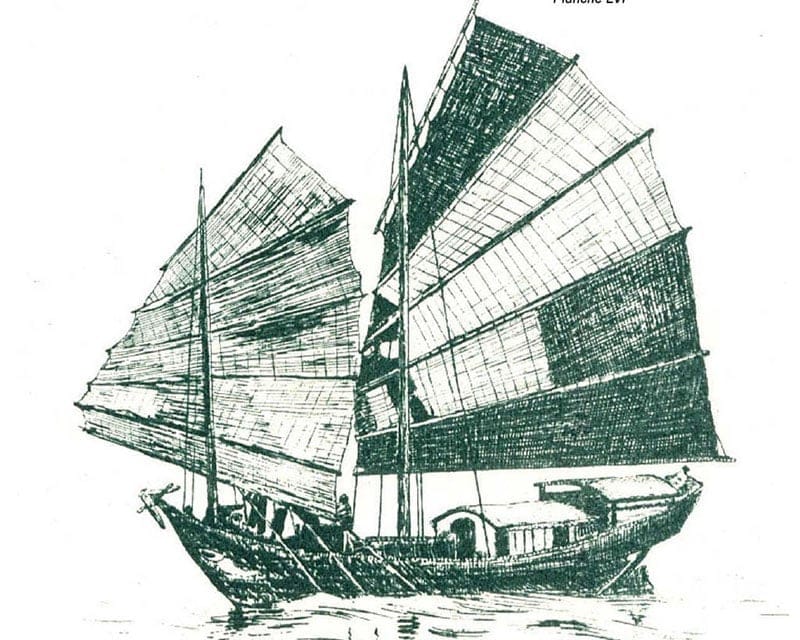
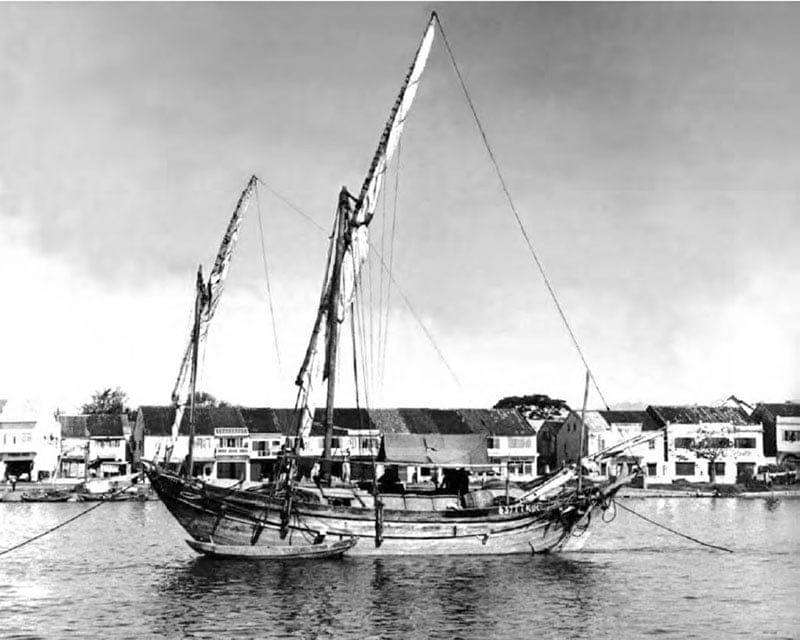
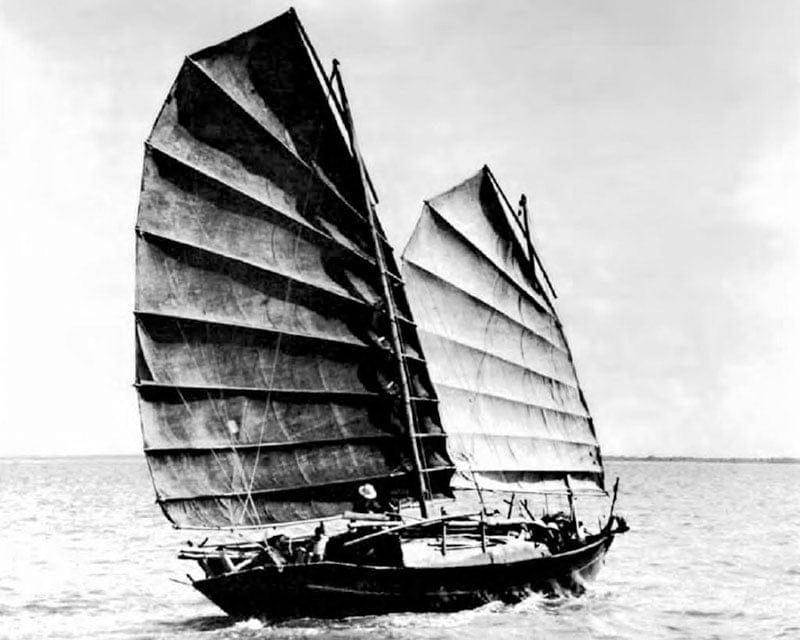
M ore pictures from The Junk Blue Book – Marion C. Dalby, more about cargo boats (the previous post presents mainly fishing boats). First image in the series: a typical ghe bầu, the main “work – horse” of Southern people in the old days, ancestor of cargo boats usually seen in the Mekong delta nowadays (though the hull shape has changed significantly with introduction of combustion engine, I suppose). At the time of The Junk Blue Book, boats of this type were usually found around 100 ton in displacement, though in previous centuries, they were often constructed bigger at a few hundreds ton to be used for both trading and naval purposes. Ghe bầu composed the ‘spiral – cord’ of Vietnamese landlords’ navies in feudal time.

According to records of Western missionaries, adventurers, soldier – of – fortunes… who worked in Vietnam in the late 18th century, the Nguyễn and Tây Sơn lords’ navies both had a few 70 – guns mans – of – war, built and equipped to Western designs, but the majority is of ghe bầu type, with 20 ~ 60 guns mounted, capable of transporting upto 700 troops. Though these facts are likely, they’re still vague descriptions, there’s a lack of details and evidences. 50 – guns warship is a very strong frigate indeed, could be classified as 4th – rate ship – of – the – line, par the Royal Navy rating system, and should have the displacement at least at 1,000 (metric) tons, a question mark whether Vietnamese traditional boat building at the time was having such a capability.
the junk blue book, 1

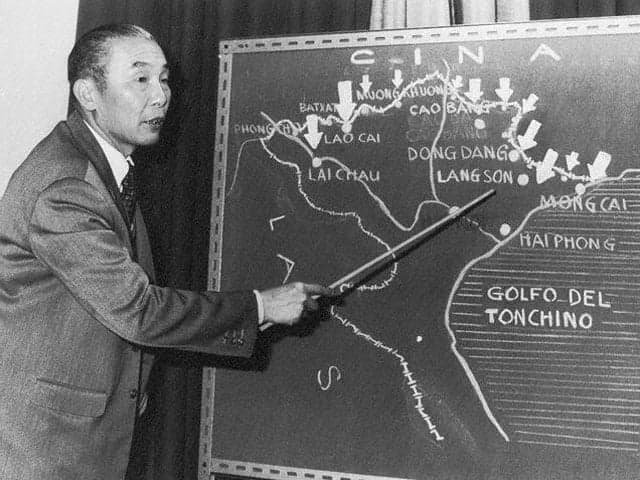
More pictures from The Junk Blue Book – Marion C. Dalby. Some history background: in the early 60s, Northern Vietnam government (DRV) started an infiltration campaign to support the Southern communists by way of sea. The task force, designated: Group 579, deployed numerous boats, built and camouflaged as Southern fishing or cargo boats, smuggled weapons and war materials onto various spots along southern coast below the 17th parallel. The advantages of secret lines of boats are obvious: only need a small number of well – trained sailors, much larger cargo capacity, harder to trace and intercept (compared to e.g: transporting by trucks, which required lots of labours for road building and protecting, which is hard to keep secret).

The US Navy took countermeasures, first by carrying out a study on VN indigenous boats: designs and constructions, outer appearances, sail plans, navigational equipments, operational zones and routes, methods and habits of fishing… in an effort to help identifying which are real Southern VN boats, and which are camouflaged Northern ones. The result is The Junk Blue Book, the study was taken place at a time when the majority of VN boats (over ~ 70%) was still operating primarily on sails. Ironical facts of history, that a work conducted initially against Vietnamese people, has now turned into a record of knowledge on Vietnamese sailing tradition, a tradition that has been long forgotten by its owner, very few people still care or even aware of it nowadays!

17 tháng 2…

Anh ở Lào Cai, Nơi con sông Hồng chảy vào đất Việt. Tháng hai mùa này con nước, Lắng phù sa in dấu đôi bờ. Biết em năm ngóng tháng chờ, Cứ chiều chiều ra sông gánh nước. Nên ngày ngày cùng bạn bè lên chốt, Anh lại xuống sông Hồng cho thoả nỗi em mong. Đài báo gió mùa em thương ở đầu sông, Đỉnh đồi cao chiến hào anh gặp rét. Biết mùa màng đồng quê chưa cấy hết, Tay em ngập dưới bùn lúa có thẳng hàng không? Nếu chúng mình còn cái thủa dung dăng, Anh thả lá thuyền xuôi về dưới ấy. Em ra sông chắc em sẽ thấy, Chỉ nỗi nhớ chúng mình đủ ấm mọi mùa đông… Thì hỡi em yêu ở cuối sông Hồng, Nếu gặp dòng sông ngầu lên sắc đỏ, Là niềm thương anh gửi về em đó, Qua màu nước sông Hồng, em hiểu chiến công anh! (Gửi em ở cuối sông Hồng – Dương Soái)

Gởi em ở cuối sông Hồng - Anh Thơ, Việt Hoàn 

Đêm tháng Năm vào bình độ bốn trăm, Đoàn xe trôi êm êm, tầm đại bác. Thuốc súng tanh lá rừng kêu xào xạc, Chúng no máu rồi không cắn nữa đâu!? Lắc lư xe quan tài vượt về sau, Máu dỏ xuống đường cuốn vào cát bụi. Lại xe quan tài vượt lên lầm lũi, Tốp thương binh bê bết máu mặt mày. Đám cướp kia Thánh, Phật dạy ăn chay, Chẳng kiêng gì ngày rằm mùng một. Đạn cày xới đất tơi trồng cây tốt, Tưới máu người cướp, giữ đất biên cương. Tư lệnh Hoàng Đan trận này cầm quân, Ông bảo rằng: sống chết thời vận số. Cả trung đoàn ào ào như thác lũ, Bình độ Bốn trăm bình địa trận người. Những chàng trai sống chết trận này ơi! Mưa đổ xuống ông trời tuôn nước mắt. Ơn nhớ mãi thân người đi giữ đất, Người trở về ăn, sống, ở ra sao? (Bình độ bốn trăm – Nguyễn Mạnh Hùng)

trường ca hòn vọng phu, 2


Tôi muốn được nghe một loại nhạc Việt như thế này!!!

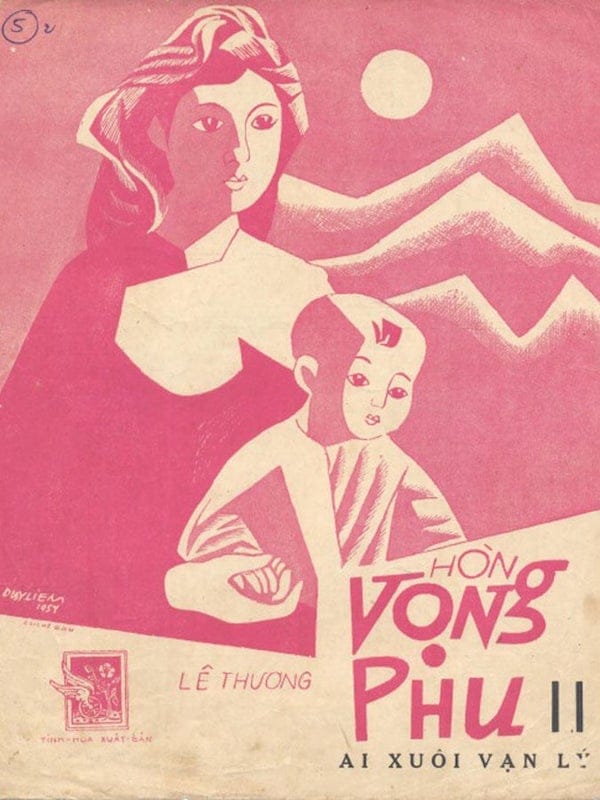
Bản nhạc thuộc top những bài thường nghe trên iPod của tôi thời gian gần đây, là một bài rất cũ nhưng mang một trình bày rất mới, một bài mang âm điệu dân ca “bình dị, thân thuộc” nhưng là trường ca mang tính sử thi kỳ vĩ nhất của Tân nhạc. Cách đây đã khá nhiều năm, tôi từng mơ ước được nghe trường ca Hòn Vọng Phu trình diễn, phát triển, biến tấu… bởi một dàn nhạc lớn thật lớn, vì tầm vóc bản nhạc không phải ở mức một “khúc hát ru con” bình thường.

Nhạc trưởng Lê Văn Khoa đã soạn lại Trường ca Hòn Vọng Phu cho dàn nhạc và đồng ca dựa trên căn bản hòa âm ban đầu của tác giả Lê Thương, nhiều đoạn nghe rất thấm! Là một chiếc bình mới đẹp cho món rượu cũ, một loại rượu lâu năm, càng lúc càng hiếm và có giá. Nếu như âm nhạc đương đại có nhiều yếu tố mới, kỹ thuật hiện đại, hòa âm tốt, thu âm hoàn hảo bao nhiêu thì về tính tự tin trong sáng tác càng kém tiền nhân bấy nhiêu!

Hòn vọng phu 1: Đoàn người ra đi

Hòn vọng phu 2: Ai xuôi vạn lý

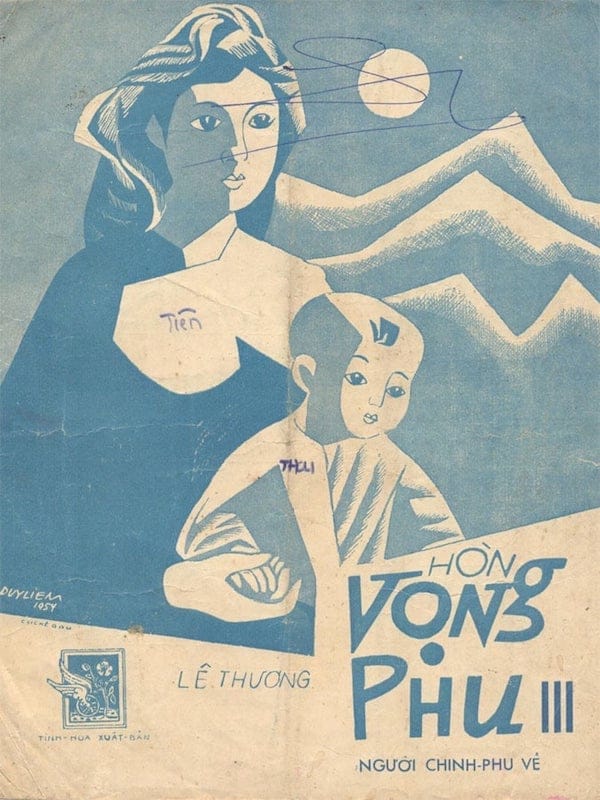
Hòn vọng phu 3: Người chinh phu về

cq – 88

Bức tranh này do cậu bé TKXuyên vẽ năm 1988, màu nước trên giấy, hiện vẫn treo trong phòng làm việc của mình (mọi người đừng cười một người chưa bao giờ có khiếu vẽ vời gì dù chỉ là một chút xíu). Dĩ nhiên là tôi còn nhớ rất rõ là vẽ vì những lý do gì, trong bối cảnh như thế nào. Mọi người hẳn chưa thể nào quên sự kiện CQ – 88 mà ngay cả một cậu bé 9 tuổi là tôi lúc bấy giờ cũng từng ngày dõi theo. Nghĩ mà buồn, đến nay hơn 20 năm rồi mà mọi chuyện vẫn thế. Dòng chữ đề trong bức tranh: Cũng có lúc mưa dồn sóng vỗ, Quyết ra tay buồm lái với cuồng phong, cụ Nguyễn Công Trứ có sống lại mà nhìn bối cảnh bây giờ…

bare feet, iron will

One more item in my to – be – read list: Bare Feet, Iron Will, by James Zumwalt, a retired Marine lieutenant colonel, son of the Vietnam war’s time US Navy’s Admiral. The book has recently been translated and published in Vietnamese. Though I haven’t got an English copy in hand, my interests rose after reading this interview with the author. Just like Archimedes Patti’s book Why Vietnam?, I would expect stories from intermediate – level officers to contains a lot of facts, events, numbers… that gives details into the things that happened, and offers closer, truer look into the figures involved, unlike those of high – level cadre supérieur (a.k.a politicians).

The author recently gave an interview with Vietnamese presses, in which he confirmed that his book was inspired by The sorrow of war, Bảo Ninh’s novel. He loves the novel and dedicates part of his book to write about this Vietnamese fiction and its author. I knew some 20 years ago that The sorrow of war would be a very profound impact (read more about it in my another post here). It’s just ridiculous that the VN government once forbade (and still limits) the novel, permits it to be appeared on news on occasions only to serve some political purposes, this time is a step toward tighter relation with the US. Below is some notable remarks from the author, James Zumwalt interviews:

Was the loss of a loved one any less significant just because it occurred on the other side of the battlefield? …It just opened my eyes to the fact that we have to recognise that our suffering is mirrored on other side.

When I made my second trip, one of the first places I went to was the Hanoi war museum. And there they had a section devoted to war criminals – one of whom was my father for his use of Agent Orange. (Asked: How did he react to being a war criminal?) He kind of smiled and said: Well it’s a good thing they didn’t arrest me when I was there.

In one case, a doctor told his wife he would probably be gone for six months to a year. He was gone for eight years, and only got back to visit his wife once… Many of those I interviewed had difficulty pinpointing particular years, but they could tell me if it was in dry or monsoon season. That was the way they looked at it. The year didn’t matter. That shows the mindset they operated under.

There were some 1,400 mothers who lost three or more sons in the war. I think we’d be hard pressed in this country to find more than a handful of mothers who lost more than one son in Vietnam. They considered it a sacrifice they had to make.

In the interviews I did with hundreds of NVA / VC I asked them what their motivation was. It was not communism but rather it was nationalism and the desire to reunify the country… I believe it is part of the Vietnamese people’s DNA. To them, there was never any alternative, they just had to prevail.

Look at the Vietnamese who defeated the Japanese in 1945, the French in 1954, the Americans in 1975, and again the Chinese in 1979, I don’t think we realised we were probably fighting against Vietnam’s own Greatest Generation. (yes we sacrificed our best seeds in those wars, you know what the sh… is left as of today!)